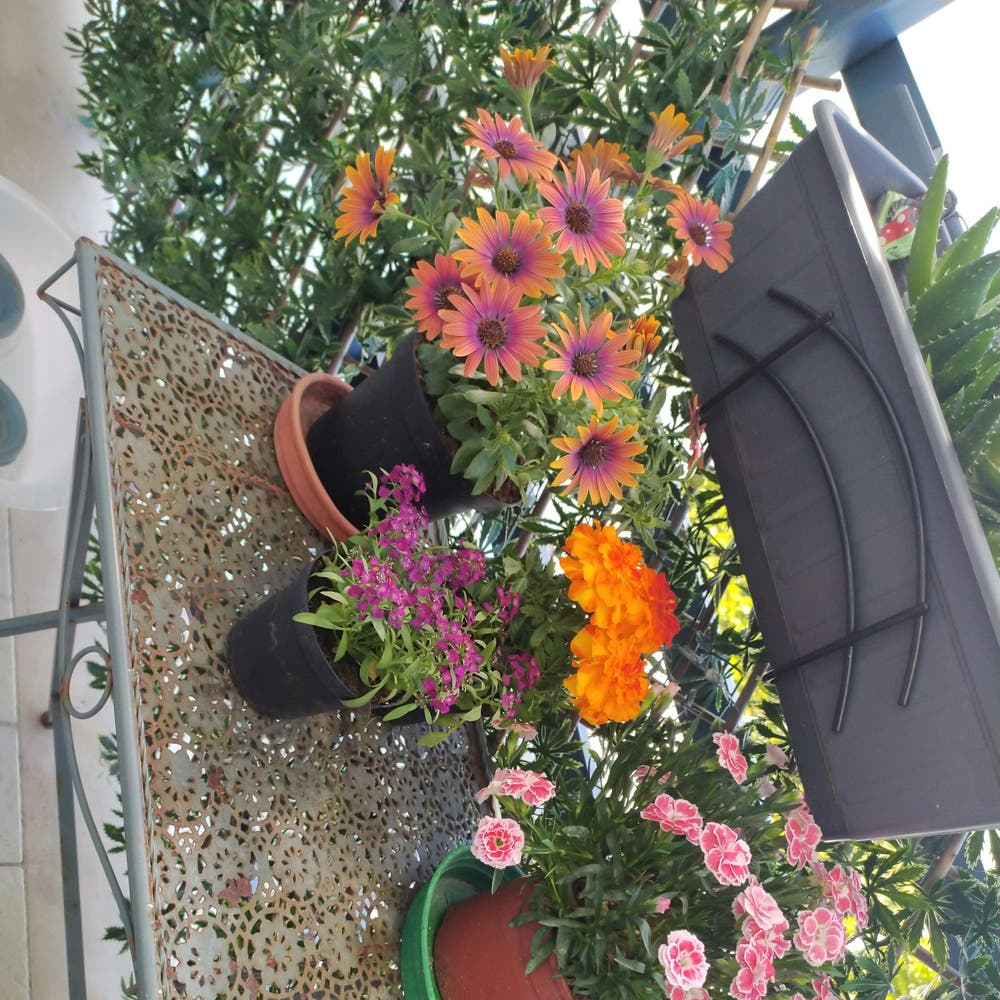
❄️ Alyssum 'Snow Crystals' SOS: Rescue Your Plant from Root Rot
Lobularia maritima 'Snow Crystals'
By the Greg Editorial Team
Oct 24, 2024•5 min read
This article was created with the help of AI so we can cover more plants for you. May contain errors. See one? Report it here.
- 🌱 Identify root rot by checking for dark, mushy roots versus firm, white ones.
- ✂️ Rescue your plant by trimming affected roots and repotting in fresh, well-draining mix.
- 💧 Prevent root rot with proper drainage, watering schedules, and seasonal adjustments.
Alleviating Root Rot
Step-by-Step Guide to Rescue an Affected Plant 🌱
Rescuing a plant from root rot can be a straightforward process if you follow these steps. Start by carefully removing the plant from its pot to avoid further damage.
Next, inspect the roots for signs of rot. Look for dark, mushy areas that indicate decay.
Trim away any affected roots using sterilized scissors. This helps prevent the spread of rot to healthy parts.
Once you've removed the damaged roots, rinse the healthy ones gently to eliminate any remaining soil. This step is crucial for assessing the overall health of the root system.
Finally, repot the plant in fresh, well-draining potting mix. This will provide a healthier environment for recovery.
How to Remove and Inspect Roots 🔍
To begin the inspection, gently loosen the soil around the roots. This minimizes the risk of damaging healthy roots during the process.
As you examine the roots, look for dark, mushy areas versus firm, white roots. Healthy roots should feel smooth and pliable.
If you're having trouble identifying any issues, consider using a magnifying glass. This can help you spot any fungal growth that may not be immediately visible.
Treatment Options for Root Rot 💊
Once you've identified root rot, several treatment options can help. First, consider applying a fungicide specifically designed for root rot treatment.
In addition to fungicides, soil amendments can significantly improve drainage. Incorporating perlite or sand into your potting mix can help prevent future issues.
Lastly, adjust your watering schedule. Allow the soil to dry out between waterings to create a healthier environment for your plant.
By following these steps, you can effectively alleviate root rot and give your plant a fighting chance. Now, let’s explore how to prevent root rot from occurring in the first place.
Preventing Root Rot
🌊 Best Practices for Watering
To keep your Alyssum 'Snow Crystals' thriving, start by checking the soil moisture before watering. This simple step can prevent overwatering, which is a common cause of root rot.
When you do water, aim for the base of the plant. This technique helps avoid wetting the foliage, reducing the risk of fungal issues.
Adjust your watering schedule with the seasons in mind. During cooler months, cut back on watering to prevent excess moisture from accumulating in the soil.
🕳️ Importance of Soil Drainage
Choosing the right container is crucial. Always ensure your pots have drainage holes to allow excess water to escape.
The soil composition plays a significant role in drainage. Opt for a mix specifically designed for good drainage to keep your plant's roots healthy.
Consider elevating your pots using pot feet. This small adjustment can improve airflow and further enhance drainage.
🌱 Recommended Potting Mixes
For optimal growth, use a well-draining mix. A blend of peat, perlite, and compost works wonders for Alyssum 'Snow Crystals'.
If you prefer convenience, look for commercial potting mixes labeled for container plants. These are often formulated to promote healthy root systems.
Feeling adventurous? Create your own custom mix by combining 50% potting soil with 50% perlite. This DIY approach ensures your plants have the best environment to thrive.
By implementing these practices, you can significantly reduce the risk of root rot and keep your Alyssum 'Snow Crystals' flourishing. Next, let’s explore how to identify healthy versus affected roots to ensure your plant remains in top shape.
Identifying Healthy vs. Affected Roots
🌱 Characteristics of Healthy Roots
Healthy roots are your plant's lifeline. Look for firm, white or light tan roots that indicate vitality.
These roots should feel smooth and pliable, showcasing a robust and branching structure. This growth pattern is essential for nutrient absorption and overall plant health.
🚫 Visual Indicators of Root Rot
On the flip side, root rot presents a stark contrast. Affected roots often appear dark brown or black and feel mushy to the touch.
You might also notice a slimy or soft consistency, which is a clear sign of decay. If you detect a foul smell, it’s time to take action—this odor signals serious trouble for your plant.
Understanding these characteristics can empower you to act swiftly, ensuring your Alyssum 'Snow Crystals' thrives. Next, let’s explore how to effectively treat root rot and restore your plant’s health.
Seasonal Considerations
Seasonal Watering Adjustments 🌧️
As the seasons change, so should your watering routine. In spring and summer, when your Alyssum 'Snow Crystals' is actively growing, increase the frequency of watering to keep up with its growth.
In contrast, during fall and winter, it's crucial to decrease watering. This helps prevent excess moisture, which can lead to root rot in cooler months.
How Temperature Affects Root Health 🌡️
Temperature plays a significant role in root health. The ideal range for your plant is between 15°C to 25°C (59°F to 77°F).
When temperatures drop, root function can slow down, leading to potential issues. Conversely, high temperatures can increase evaporation, necessitating more frequent checks on soil moisture.
Understanding these seasonal dynamics will help you maintain a healthy plant. Adjusting your care routine according to the season is key to preventing root rot and ensuring your Alyssum thrives.
Common Misconceptions
Myths About Root Rot 🌱
One common misconception is that root rot only occurs in overwatered plants. While overwatering is a significant factor, it’s not the sole culprit.
Clarification on Contributing Factors 🔍
Poor drainage and heavy soils can also lead to root rot. If your plant's pot lacks drainage holes or the soil retains too much moisture, you're setting the stage for trouble.
Understanding these factors can empower you to take proactive measures. By addressing drainage and soil quality, you can significantly reduce the risk of root rot in your plants.
With this knowledge, you're better equipped to care for your Alyssum 'Snow Crystals' and keep it thriving. Next, let’s explore how to effectively prevent root rot from taking hold in the first place.
⚠️ Safety First
This content is for general information and may contain errors, omissions, or outdated details. It is not medical, veterinary advice, or an endorsement of therapeutic claims.
Always consult a qualified healthcare professional before using any plant as food, medicine, or supplement.
Never eat any plant (or feed one to pets) without confirming its identity with at least two trusted sources.
If you suspect poisoning, call Poison Control (800) 222-1222, the Pet Poison Helpline (800) 213-6680, or your local emergency service immediately.
Spotted an error? Please report it here.
Revive your Alyssum 'Snow Crystals' from root rot with Greg's tailored watering alerts and expert tips on soil drainage, ensuring your plant thrives in no time! 🌿