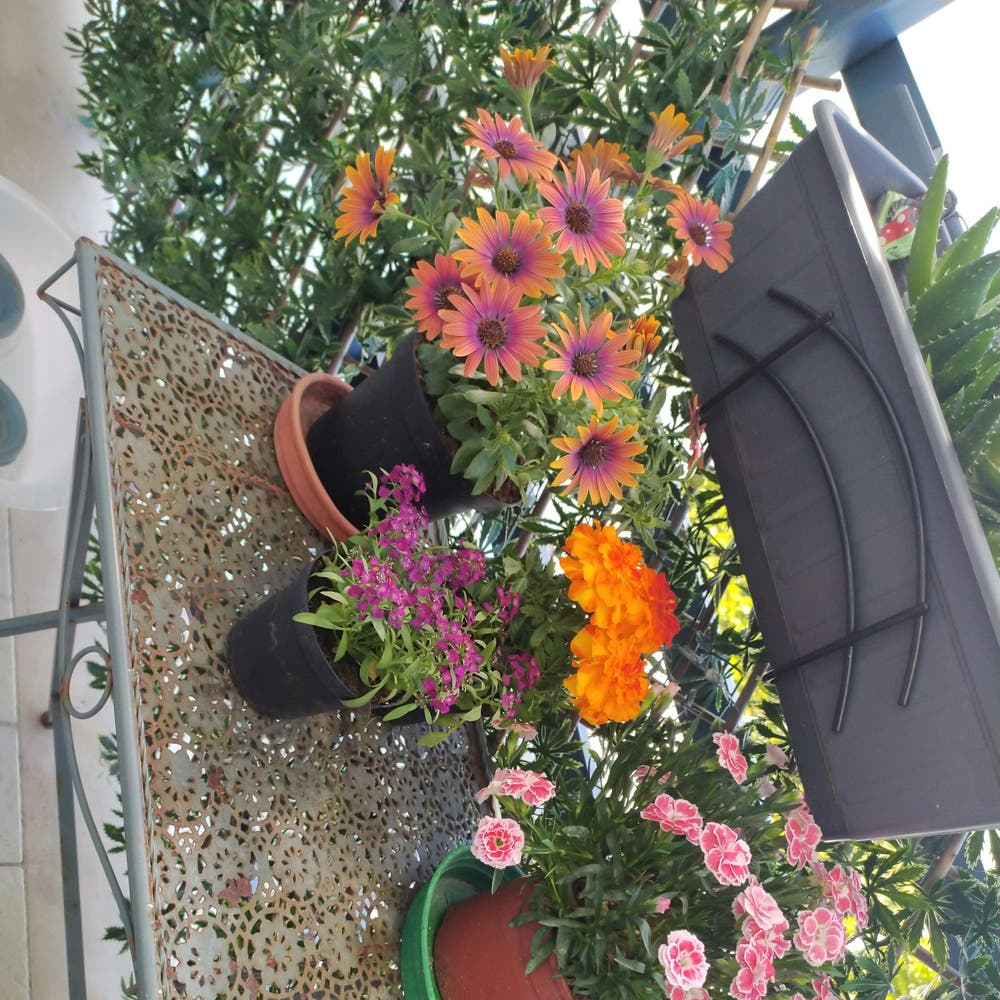
❄️ When and Where to Trim Your Alyssum 'Snow Crystals'
Lobularia maritima 'Snow Crystals'
By the Greg Editorial Team
Oct 24, 2024•5 min read
This article was created with the help of AI so we can cover more plants for you. May contain errors. See one? Report it here.
- ✂️ Prune Alyssum 'Snow Crystals' in early spring for optimal growth and blooms.
- 🌼 Look for leggy growth and dead leaves as signs it's time to trim.
- 🛠️ Use sharp tools and avoid over-pruning to maintain plant health and vibrancy.
Pruning Techniques for Alyssum 'Snow Crystals'
Tools Needed for Pruning 🛠️
Before diving into pruning your Alyssum 'Snow Crystals', gather the right tools.
Pruning Shears: Sharp, clean shears are essential for making precise cuts. Dull tools can damage the plant and lead to disease.
Garden Gloves: Protect your hands from sharp edges and any potential irritants. It's always better to be safe than sorry!
Rake or Garden Waste Bag: Use these for collecting cuttings and debris. Keeping your workspace tidy makes the process smoother.
Having the right tools not only makes pruning easier but also ensures your plants stay healthy and vibrant. Now that you're equipped, let’s explore when to trim your Alyssum for optimal growth.
When to Trim
🌱 Best Seasons for Pruning
Timing is everything when it comes to pruning your Alyssum 'Snow Crystals.' The ideal time to trim is early spring, just before new growth kicks in. This allows you to shape the plant and remove any winter damage, setting the stage for a vibrant growing season.
After flowering is another prime opportunity. Trimming at this point encourages a second bloom cycle and helps maintain the plant's vigor. It’s like giving your plant a refreshing boost!
✂️ Signs Indicating the Need for Pruning
Keep an eye on your Alyssum for signs that it’s time for a trim. If the plant appears leggy or has excessive growth, it’s a clear indicator of overgrowth.
Dead or yellowing leaves are another red flag. Removing these not only promotes health but also enhances the overall appearance of your plant.
Lastly, if you notice reduced flowering, it may signal that pruning is necessary. A good trim can stimulate new growth and bring back those beautiful blooms.
By staying attentive to these signs, you can ensure your Alyssum remains healthy and flourishing. Ready to dive deeper into where to trim? Let's explore that next!
Where to Trim
Identifying the Right Areas to Cut 🌿
When pruning your Alyssum 'Snow Crystals', focus on spent flowers first. Cutting just above the foliage encourages new blooms and keeps your plant looking fresh.
Next, remove any dead or damaged stems. Trimming back to healthy tissue promotes recovery and overall plant health.
Finally, shape the plant by lightly trimming the outer edges. This helps maintain a compact form, ensuring your alyssum stays vibrant and manageable.
Techniques for Effective Trimming ✂️
Using clean cuts is essential for effective pruning. Ensure your tools are sharp to avoid tearing the plant, which can lead to stress and disease.
Be cautious not to over-prune. Limit your cuts to no more than one-third of the plant to prevent unnecessary stress.
Additionally, trim at an angle. This technique helps prevent water accumulation on cut surfaces, reducing the risk of rot and promoting healthier growth.
With these techniques in mind, your Alyssum 'Snow Crystals' will thrive and continue to dazzle with its blooms. Next, let’s explore the importance of deadheading to keep your plant blooming beautifully.
Deadheading
Rationale for Deadheading 🌼
Deadheading is essential for keeping your Alyssum 'Snow Crystals' blooming beautifully. By removing spent flowers, you encourage the growth of new buds, ensuring a vibrant display throughout the season.
Additionally, deadheading improves the overall appearance of the plant. A tidy look not only enhances your garden but also helps the plant focus its energy on producing flowers rather than seeds.
Step-by-Step Deadheading Instructions ✂️
Identify spent flowers: Look for flowers that have wilted or turned brown. These are the ones you’ll want to remove.
Use pruning shears: Cut the stem just above the nearest set of healthy leaves. This promotes new growth and keeps the plant healthy.
Dispose of cuttings: Collect and remove spent flowers to prevent disease. Keeping your garden clean is just as important as the trimming itself.
Deadheading is a simple yet effective way to maintain the health and beauty of your Alyssum 'Snow Crystals'. With just a few easy steps, you can ensure your plants thrive and continue to bloom.
Next, let’s explore some common pruning mistakes to avoid, ensuring your gardening efforts yield the best results.
Common Pruning Mistakes
🛑 Mistakes to Avoid When Pruning
Pruning can be a delicate dance, and missteps can lead to a less-than-stellar performance. One of the biggest blunders is over-pruning; removing too much foliage can stress your Alyssum 'Snow Crystals' and actually reduce flowering.
Another common mistake is neglecting your tools. Using dull or dirty shears can damage the plant and introduce diseases, turning your gardening efforts into a battle against unwanted pests.
🔧 How to Correct Pruning Errors
If you find yourself in a pruning pickle, the first step is to assess the damage. Check if your plant can bounce back from excessive pruning; sometimes, it just needs a little TLC.
To help your Alyssum recover, adjust your care routine. Increase watering and fertilization to support recovery, ensuring your plant gets back on track to thriving and blooming beautifully.
With these tips in mind, you'll be better equipped to avoid common pitfalls and keep your Alyssum looking its best. Now, let’s dive into the art of deadheading to encourage even more blooms!
⚠️ Safety First
This content is for general information and may contain errors, omissions, or outdated details. It is not medical, veterinary advice, or an endorsement of therapeutic claims.
Always consult a qualified healthcare professional before using any plant as food, medicine, or supplement.
Never eat any plant (or feed one to pets) without confirming its identity with at least two trusted sources.
If you suspect poisoning, call Poison Control (800) 222-1222, the Pet Poison Helpline (800) 213-6680, or your local emergency service immediately.
Spotted an error? Please report it here.
Keep your Alyssum 'Snow Crystals' thriving and blooming beautifully 🌸 by using Greg's tailored pruning reminders and expert tips to enhance your garden's vibrancy!