❄️ Top 7 Companion Ideas for a Thriving Alyssum 'Snow Crystals'
Lobularia maritima 'Snow Crystals'
By the Greg Editorial Team
Oct 16, 2024•6 min read
This article was created with the help of AI so we can cover more plants for you. May contain errors. See one? Report it here.
- 🌼 Lobelia and Marigolds thrive with Alyssum, attracting pollinators and repelling pests.
- 🌱 Avoid cabbage family plants; they attract pests harmful to Alyssum's growth.
- 🌈 Colorful combinations with companion plants enhance your garden's beauty and biodiversity.
Best Companion Plants
Plant 1: Lobelia 🌸
Lobelia is a low-growing, trailing plant adorned with vibrant blue flowers. This beauty not only attracts pollinators but also thrives in well-drained soil and full sun, making it a perfect match for Alyssum 'Snow Crystals'.
Plant 2: Marigold 🌼
With its bright orange and yellow flowers, Marigold brings a strong scent and visual contrast to your garden. Known for its pest-repellent properties, it effectively wards off nematodes and aphids, enhancing the health of your Alyssum.
Plant 3: Thyme 🌿
Thyme is a fragrant, low-growing herb that features tiny purple flowers. It attracts beneficial insects and offers culinary uses, thriving in the same full sun and well-drained soil conditions as Alyssum.
Plant 4: Sedum 🌱
Sedum is a resilient succulent ground cover with fleshy leaves and star-shaped flowers. Its drought tolerance adds to its appeal, providing texture contrast and visual interest alongside Alyssum.
Plant 5: Sweet Alyssum 🌼
Sweet Alyssum, with its small white or purple flowers, complements its namesake beautifully. It enhances pollinator attraction and shares similar growth habits, making it an ideal companion.
Plant 6: Pansy 🌈
Pansies are cheerful flowers that bloom in various shades, adding seasonal color to your garden. They attract pollinators and can even tolerate light frost, making them a versatile choice.
Plant 7: Chives 🌱
Chives are a perennial herb with tall green stalks and purple flowers. They serve as a natural pest deterrent against aphids and carrot flies, while also adding a culinary touch to your garden.
These companion plants not only enhance the beauty of Alyssum 'Snow Crystals' but also contribute to a thriving garden ecosystem. Next, let’s explore which plants to avoid for optimal growth and health.
Plants to Avoid
🌿 Plant 1: Cabbage Family
The cabbage family, including plants like broccoli and kale, can be detrimental to your Alyssum 'Snow Crystals.' These plants attract pests such as cabbage worms, which can easily spread to your Alyssum, causing damage.
Additionally, they compete for nutrients and space, potentially stunting the growth of your beloved Alyssum. Keeping these plants at bay will help maintain a thriving garden.
🚫 Plant 2: Fennel
Fennel is another plant to steer clear of when gardening alongside Alyssum. Its allelopathic properties can inhibit the growth of nearby plants, including your Alyssum.
Moreover, fennel attracts pests that may harm both Alyssum and its companions. Avoiding these plants will create a healthier environment for your garden to flourish.
By being mindful of what to avoid, you can ensure a vibrant and thriving garden ecosystem. Next, let’s explore how companion plants can help with pest management.
Pest Management
How Companion Plants Help Deter Pests 🌱
Companion plants play a crucial role in pest management by acting as natural repellents and attractants. They disrupt pest life cycles, creating a balanced ecosystem that supports beneficial insects.
Specific Pest-Repellent Properties 🐞
Certain plants are particularly effective at keeping pests at bay. For instance, marigolds are renowned for their ability to repel nematodes and aphids, making them a fantastic companion for Alyssum 'Snow Crystals'.
Chives also shine in this area; their strong scent deters aphids and carrot flies. By incorporating these plants into your garden, you not only enhance its beauty but also create a healthier environment for your Alyssum.
The Bigger Picture 🌍
Utilizing companion plants for pest management is about more than just aesthetics. It’s about fostering a thriving garden ecosystem that minimizes the need for chemical interventions.
By choosing the right companions, you can enjoy a vibrant garden while naturally keeping pests in check. This approach not only benefits your plants but also contributes to a more sustainable gardening practice.
Transition to Visual Appeal 🎨
With pest management under control, let’s explore how to enhance the visual appeal of your garden. The right color combinations and textures can create a stunning display that complements your Alyssum beautifully.
Visual Appeal and Design
Color Combinations with Alyssum 🌈
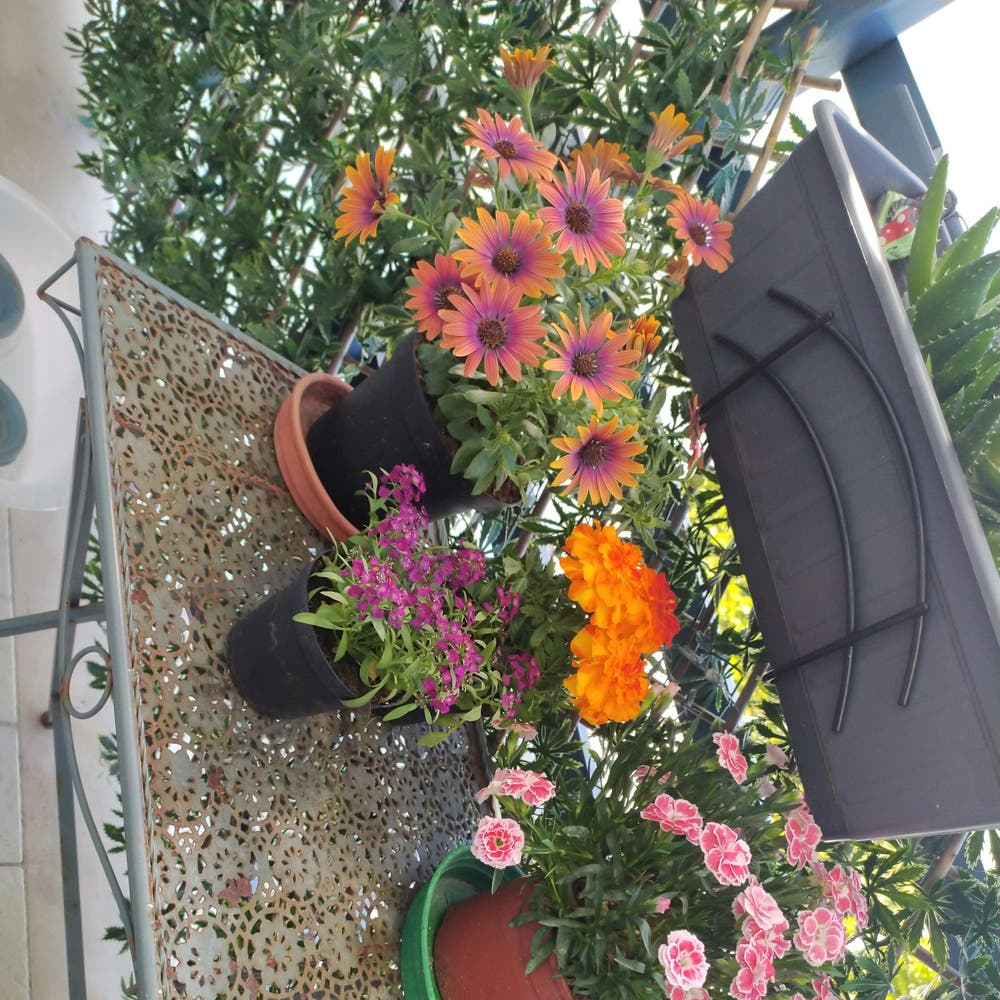
Pairing Alyssum 'Snow Crystals' with vibrant marigolds and pansies creates a stunning visual contrast. The bright oranges and yellows of marigolds pop against Alyssum's delicate white flowers, making your garden a feast for the eyes.
Utilizing the soft white of Alyssum can also highlight bolder colors in your garden. This subtle touch enhances the overall aesthetic, allowing each plant to shine in its own right.
Height and Texture Considerations 🌿
Layering low-growing plants like Lobelia and Sedum with taller companions adds depth to your garden. This strategy not only maximizes space but also creates a visually dynamic landscape.
Incorporating varied textures is key to an engaging garden design. The fleshy leaves of Sedum contrast beautifully with the fine foliage of Alyssum, making your garden more inviting and interesting.
Final Thoughts 💭
By thoughtfully combining colors and textures, you can create a garden that is not only beautiful but also thriving. These design principles will ensure that your Alyssum 'Snow Crystals' and its companions flourish together, enhancing both visual appeal and biodiversity.
Next, let’s explore the seasonal considerations for planting these companions to keep your garden vibrant year-round.
Seasonal Considerations
Timing for Planting Companions 🌱
The best time to plant your companion plants is early spring, right after the last frost. This timing ensures that your Alyssum 'Snow Crystals' and its companions can establish themselves before the heat of summer kicks in.
Staggered Planting for Continuous Blooms 🌼
Consider staggered planting to achieve continuous blooms throughout the growing season. By introducing different plants at various times, you can create a vibrant tapestry of colors and textures that keeps your garden lively.
Seasonal Blooming Patterns 🌸
Alyssum typically blooms in spring and early summer, so it's essential to plan your companions accordingly. Choose plants that bloom at different times to extend the flowering period and maintain visual interest.
Understanding Bloom Cycles 🔄
Understanding the bloom cycles of your plants is crucial for a thriving garden. By selecting companions that complement Alyssum's blooming schedule, you can ensure a stunning display from spring through fall.
With these seasonal considerations in mind, you can create a flourishing garden that not only looks beautiful but also supports a healthy ecosystem. Next, let’s explore how to enhance visual appeal and design in your garden.
⚠️ Safety First
This content is for general information and may contain errors, omissions, or outdated details. It is not medical, veterinary advice, or an endorsement of therapeutic claims.
Always consult a qualified healthcare professional before using any plant as food, medicine, or supplement.
Never eat any plant (or feed one to pets) without confirming its identity with at least two trusted sources.
If you suspect poisoning, call Poison Control (800) 222-1222, the Pet Poison Helpline (800) 213-6680, or your local emergency service immediately.
Spotted an error? Please report it here.
Create a thriving garden 🌼 by choosing the perfect companions for your Alyssum 'Snow Crystals', and let Greg guide you with tailored care tips to ensure your plants flourish together!