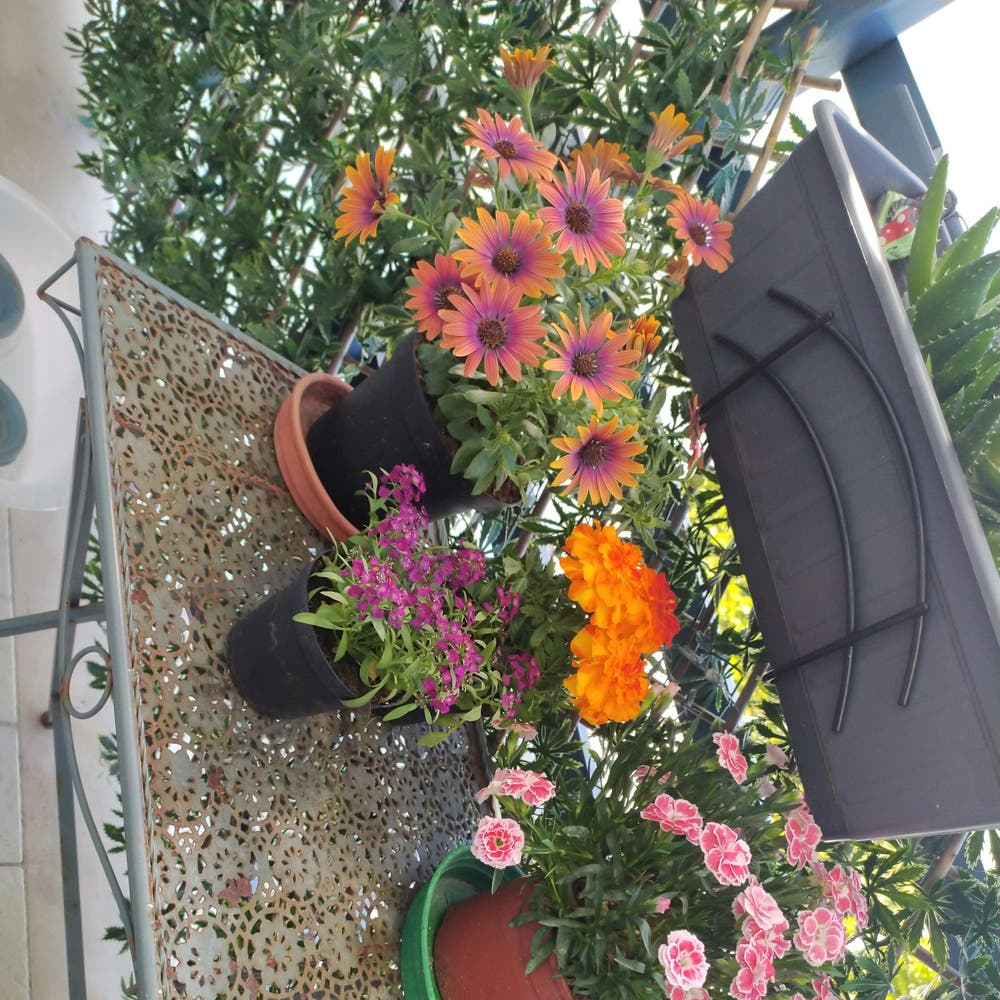
❄️ Why the Leaves on Alyssum 'Snow Crystals' Turn Yellow
Lobularia maritima 'Snow Crystals'
By the Greg Editorial Team
Oct 24, 2024•5 min read
This article was created with the help of AI so we can cover more plants for you. May contain errors. See one? Report it here.
- 🌱 Yellowing leaves indicate nutrient deficiencies or sudden issues; monitor closely.
- 💧 Check soil moisture regularly; let the top inch dry to prevent root rot.
- 🐛 Inspect for pests and use beneficial insects for natural pest control.
Diagnosing Yellow Leaves
👀 Visual Symptoms to Look For
When you notice yellow leaves on your Alyssum 'Snow Crystals', the first step is to observe the leaf color changes. Is the yellowing gradual, or does it appear suddenly? Gradual yellowing often indicates a nutrient deficiency, while sudden discoloration could signal a more immediate issue.
Next, examine the leaf texture. Are the leaves wilting, crisping, or softening? These textures can provide clues about the plant's overall health and the specific problems it may be facing.
🩺 How to Assess Plant Health
To get a clearer picture of your plant's health, start with a soil moisture check. You can do this by using your finger to feel the soil or employing a moisture meter for a more precise reading.
Don't forget to inspect the roots as well. Healthy white roots indicate a thriving plant, while signs of rot, such as mushy or dark roots, suggest that your plant may be in trouble.
By carefully assessing these visual symptoms and health indicators, you can better understand the causes behind the yellowing leaves and take appropriate action. This sets the stage for effective prevention and treatment strategies that will keep your Alyssum thriving.
Preventing Yellow Leaves
💧 Proper Watering Techniques
To keep your Alyssum 'Snow Crystals' vibrant, focus on proper watering. Allow the top inch of soil to dry out between waterings to prevent root rot.
Watering in the early morning is ideal. This timing reduces evaporation and ensures your plants absorb moisture effectively.
🌱 Soil Preparation and Amendments
A well-prepared soil mix is crucial for healthy growth. Aim for a blend of 50% potting soil, 30% compost, and 20% perlite for optimal drainage and nutrients.
Don’t skip soil testing. Regular checks help you adjust pH and nutrient levels, ensuring your plants thrive.
🥦 Fertilization Schedule
Fertilization plays a key role in preventing yellow leaves. Use a balanced NPK fertilizer (10-10-10) every 4-6 weeks during the growing season.
Be cautious of over-fertilization. Signs like leaf burn or salt buildup indicate that you may need to cut back.
🐞 Pest Management Strategies
Regular inspections are essential for pest control. Check your plants weekly to catch any infestations early.
Consider introducing beneficial insects like ladybugs and lacewings. They provide natural pest control and help maintain a healthy garden ecosystem.
By implementing these preventive measures, you can significantly reduce the chances of yellow leaves on your Alyssum 'Snow Crystals'. Next, let’s explore how to treat yellow leaves effectively when they do appear.
Treating Yellow Leaves
Step-by-Step Treatment for Nutrient Deficiencies 🌱
Identifying nutrient deficiencies is crucial for restoring your Alyssum 'Snow Crystals'. Start by testing the soil or observing symptoms like yellowing leaves or stunted growth.
Once you've pinpointed the deficiency, apply the appropriate fertilizer. For nitrogen deficiencies, a nitrogen-rich fertilizer works wonders, while iron chelate can help with iron deficiencies.
Monitor your plant's response closely. You should see improvement within 1-2 weeks if the treatment is effective.
How to Adjust Watering Practices 💧
Assessing your current watering schedule is essential. Check the soil moisture to determine if you're over or under-watering.
Implement a consistent routine by watering deeply but infrequently. This encourages deeper root growth and healthier plants.
Consider using drainage solutions. Elevating pots or amending the soil can significantly improve drainage and prevent root rot.
Pest Control Methods 🐛
Regular pest inspections can save your plants from significant damage. For organic options, neem oil and insecticidal soap are effective and safe.
If pests persist, chemical treatments may be necessary. Always follow label instructions and use these as a last resort to protect your plants.
Environmental Adjustments 🌍
Sometimes, the environment needs a little tweaking. Relocate your plants to a more suitable light or temperature setting to enhance their growth.
Mulching is another effective strategy. Applying organic mulch helps regulate soil temperature and moisture, creating a more stable environment for your Alyssum.
By addressing nutrient deficiencies, adjusting watering practices, managing pests, and making environmental changes, you can effectively treat yellow leaves. This proactive approach not only revives your plants but also fosters a thriving garden.
Next, let’s explore seasonal considerations to keep your Alyssum healthy year-round.
Seasonal Considerations
Care During Different Seasons 🌸
Caring for Alyssum 'Snow Crystals' varies with the seasons. In spring, focus on fertilization and pest monitoring to kickstart growth.
As temperatures rise in summer, increase your watering routine and provide shade during extreme heat. This helps prevent stress and keeps your plants thriving.
In fall, prepare for winter by reducing watering and applying mulch. This protects the roots and retains moisture as temperatures drop.
Preparing for Winter Stress ❄️
Winter can be tough on your plants, so take proactive steps. Use insulation techniques like mulching and covering with frost cloth to shield them from harsh conditions.
Monitoring is crucial during the cold months. Regularly check for signs of stress, ensuring your Alyssum remains healthy and vibrant through winter's chill.
With these seasonal strategies, your Alyssum 'Snow Crystals' will be well-equipped to flourish year-round. Next, let’s explore common misconceptions about yellow leaves and plant care.
Common Misconceptions
🌿 Myths About Yellow Leaves
One common misconception is that yellow leaves always indicate overwatering. While this is a frequent cause, it's essential to recognize that nutrient deficiencies or pest infestations can also lead to yellowing.
Understanding the root cause is crucial for effective treatment. A thorough assessment can help you pinpoint whether your plant needs more nutrients or if it's battling pests.
📚 Clarifying Care Practices
Balanced care is vital for maintaining healthy Alyssum 'Snow Crystals.' This means combining proper watering, fertilization, and pest management to create an optimal environment.
Every plant has unique needs based on its environment and growth stage. Paying attention to these factors can significantly improve your plant's health and resilience.
As you navigate plant care, remember that informed decisions lead to thriving greenery. With the right approach, you can ensure your Alyssum remains vibrant and healthy.
Next, let’s explore seasonal considerations to further enhance your plant care strategy.
⚠️ Safety First
This content is for general information and may contain errors, omissions, or outdated details. It is not medical, veterinary advice, or an endorsement of therapeutic claims.
Always consult a qualified healthcare professional before using any plant as food, medicine, or supplement.
Never eat any plant (or feed one to pets) without confirming its identity with at least two trusted sources.
If you suspect poisoning, call Poison Control (800) 222-1222, the Pet Poison Helpline (800) 213-6680, or your local emergency service immediately.
Spotted an error? Please report it here.
Keep your Alyssum 'Snow Crystals' vibrant and healthy 🌱 by using Greg's tailored reminders for watering, fertilization, and pest control to tackle yellowing leaves head-on!