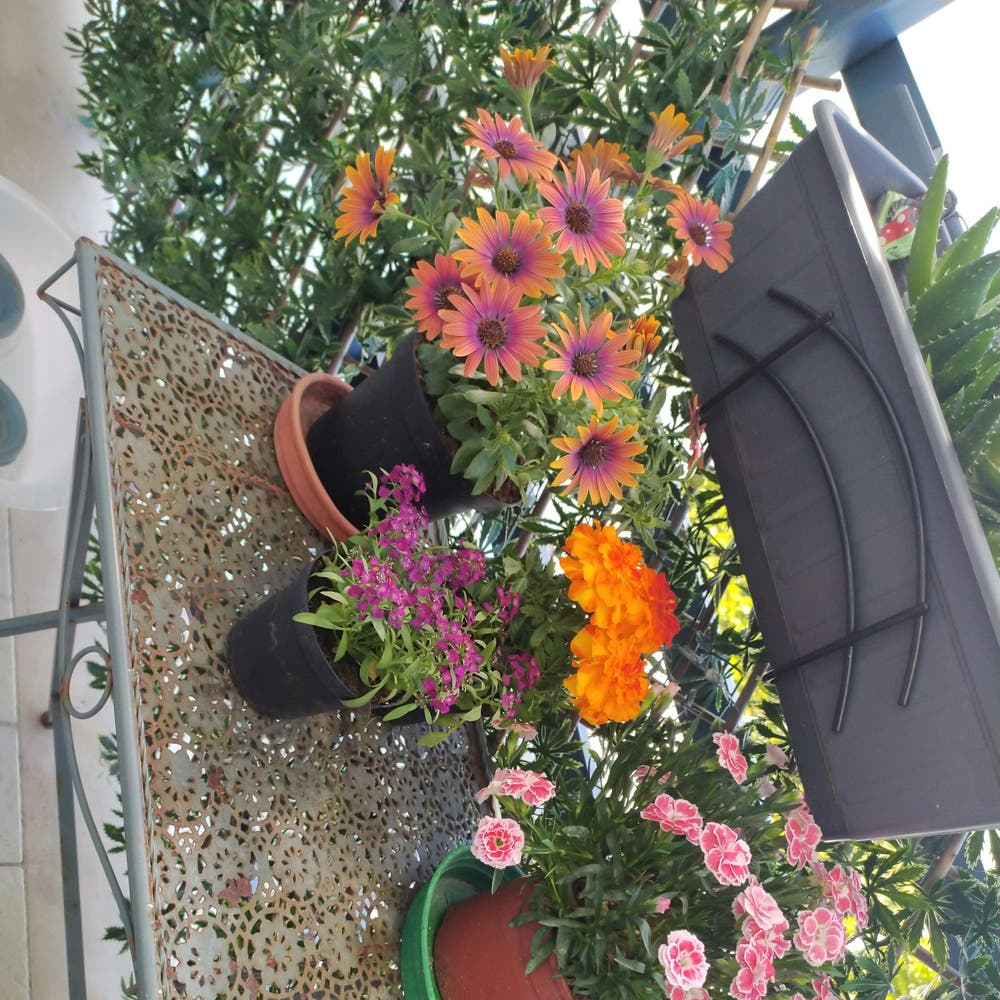
❄️ How to Fix Droopy Leaves on Your Alyssum 'Snow Crystals'
Lobularia maritima 'Snow Crystals'
By the Greg Editorial Team
Oct 24, 2024•6 min read
This article was created with the help of AI so we can cover more plants for you. May contain errors. See one? Report it here.
- 💧 Droopy leaves result from overwatering, underwatering, pests, or temperature stress.
- 🌱 Improve soil drainage and establish a consistent watering schedule for healthy Alyssum.
- 🐛 Regular pest inspections and treatments prevent damage and support plant recovery.
Causes of Droopy Leaves
💧 Overwatering and Its Symptoms
Overwatering occurs when excess water saturates the soil, suffocating the roots. This can lead to several visible symptoms.
- Yellowing leaves: Before drooping, leaves may turn yellow, signaling distress.
- Wilting despite wet soil: Limp leaves can appear even when the soil feels saturated.
- Root rot: Upon inspection, you might find dark, mushy roots, a clear sign of trouble.
🌵 Underwatering and Its Symptoms
Underwatering happens when your plant doesn't receive enough moisture, leading to dehydration. The signs can be quite telling.
- Crispy leaf edges: Leaves may develop dry, brittle edges.
- Leaf curling: As a stress response, leaves might curl inward.
- Soil dryness: If the soil feels dry several inches down, your plant is thirsty.
🚰 Soil Drainage Issues
Proper drainage is crucial for Alyssum 'Snow Crystals', which thrives in well-draining soil. Poor drainage can manifest in noticeable ways.
- Water pooling on the surface: This indicates compacted soil that can't absorb moisture.
- Foul odor: A bad smell suggests anaerobic conditions, which can lead to root rot.
🐛 Pest Infestations Affecting Leaf Health
Pests can wreak havoc on your plant's health. Common culprits include:
- Aphids: These small, green insects suck sap from leaves, weakening the plant.
- Whiteflies: Tiny white insects that can cause yellowing and droopiness.
Symptoms of pest infestations include:
- Sticky residue on leaves: This honeydew is a telltale sign of pest activity.
- Visible pests: Always check the undersides of leaves for these intruders.
🌡️ Temperature Stress and Its Effects
Alyssum 'Snow Crystals' prefers cooler temperatures but can struggle in extreme heat. Watch for these symptoms of temperature stress.
- Leaf droopiness: High temperatures can cause leaves to droop as a stress response.
- Wilting during heat waves: Increased water loss can lead to significant wilting.
Understanding these causes is essential for diagnosing and treating droopy leaves effectively. Next, we’ll explore how to diagnose the specific issues affecting your plant's health.
Diagnosing the Problem
🌧️ Identifying Signs of Overwatering
Overwatering can be a sneaky culprit behind droopy leaves. Look for yellowing leaves and inspect the roots for rot; dark, mushy roots are a clear sign of trouble.
To assess soil moisture levels, use a moisture meter or simply stick your finger into the soil. If it feels wet several inches down, you might be giving your Alyssum too much love.
💦 Recognizing Signs of Underwatering
On the flip side, underwatering can also lead to droopy leaves. Check for crispy leaf edges and dry soil; these are telltale signs that your plant is thirsty.
Keep an eye on your watering schedule to ensure consistent moisture. A regular routine can make all the difference in keeping your Alyssum healthy.
🐛 Checking for Pests and Diseases
Pests can wreak havoc on your plant's health. Inspect the leaves for visible pests and sticky residue, which often indicates an infestation.
Additionally, look for signs of disease, such as fungal growth or discoloration. Early detection can save your plant from further damage.
🌱 Evaluating Soil Conditions
Soil conditions play a crucial role in your plant's health. Test the drainage by watering and observing how quickly the water absorbs; slow absorption can signal poor drainage.
Also, assess the soil composition to ensure it promotes drainage. A well-draining mix is essential for the thriving of your Alyssum 'Snow Crystals.'
By diagnosing these issues, you can take the necessary steps to revive your plant. Next, let’s explore effective solutions to address droopy leaves and restore your Alyssum to its vibrant self.
Solutions for Droopy Leaves
🌊 Adjusting Watering Practices
Establishing a consistent watering schedule is crucial. Water your Alyssum 'Snow Crystals' when the top inch of soil feels dry to the touch.
Using the Greg plant care app can help you remember when to water. Aim to water deeply but infrequently, which encourages strong root growth.
🕳️ Improving Soil Drainage
Soil drainage is vital for healthy plants. Amend your soil with perlite or sand to enhance drainage and prevent waterlogging.
If drainage issues persist, consider repotting your plant in a well-draining potting mix. This can make a significant difference in leaf health.
🐞 Treating Pest Infestations
Identifying pests early can save your plant from severe damage. Use a magnifying glass to check for tiny insects on the leaves.
If you spot pests, apply insecticidal soap or neem oil for effective treatment. You can also introduce beneficial insects like ladybugs to help control the pest population naturally.
🌡️ Correcting Temperature Issues
Temperature can greatly affect your plant's health. During extreme heat, provide shade using shade cloth or relocate your pots to cooler areas.
Keep an eye on temperature fluctuations and adjust your care routine accordingly. This proactive approach can prevent droopiness caused by heat stress.
By implementing these solutions, you can revitalize your Alyssum 'Snow Crystals' and enjoy its vibrant beauty once again. Next, let’s explore preventative measures to keep your plant healthy in the long run.
Preventative Measures
🌊 Best Practices for Watering
Watering your Alyssum 'Snow Crystals' early in the morning is a game-changer. This simple practice reduces evaporation and ensures your plants get the moisture they need.
Using mulch is another effective strategy. It helps retain soil moisture while preventing the dreaded overwatering, keeping your plants happy and healthy.
🌱 Soil Recommendations for Healthy Growth
Opt for a well-draining potting mix enriched with organic matter. This combination promotes robust root development and overall plant vitality.
Regularly checking your soil pH is crucial. Aim for a neutral to slightly acidic range (6.0-7.0) to create the best environment for growth.
🐛 Regular Pest Monitoring and Control
Make it a habit to inspect your plants weekly for any signs of pests. Early detection can save your Alyssum from significant damage.
Implementing preventive measures, such as companion planting, can also be beneficial. This strategy not only deters pests but can enhance the overall health of your garden.
🍂 Seasonal Care Tips to Prevent Droopiness
Adjust your watering frequency based on the changing seasons. Plants often need more water during warmer months and less during cooler periods.
Don’t forget to fertilize during the growing season with a balanced fertilizer. This simple step promotes health and vigor, helping to prevent droopiness in your Alyssum.
By following these preventative measures, you can create a thriving environment for your Alyssum 'Snow Crystals'. This proactive approach will not only enhance their beauty but also ensure they remain healthy and vibrant.
Post-Recovery Care
Signs of Recovery 🌱
After addressing the issues causing droopy leaves, keep an eye out for signs of recovery. New leaf growth is a strong indicator that your Alyssum 'Snow Crystals' is bouncing back.
Returning Vibrant Color 🌈
As health improves, you'll notice the leaves regaining their vibrant green hue. This color revival is a positive sign that your plant is thriving again.
Ongoing Maintenance 🔧
To maintain your plant's health, continue monitoring your watering practices and pest control measures. Regularly prune any dead or damaged leaves to promote better airflow and overall vitality.
When to Seek Professional Help 🆘
If droopiness persists despite your best efforts, it may be time to consult a professional. Severe pest infestations or disease symptoms that are hard to manage can require expert intervention.
In summary, keeping an eye on recovery signs and maintaining good care practices will help your Alyssum flourish. Next, let’s explore preventative measures to ensure your plant stays healthy long-term.
⚠️ Safety First
This content is for general information and may contain errors, omissions, or outdated details. It is not medical, veterinary advice, or an endorsement of therapeutic claims.
Always consult a qualified healthcare professional before using any plant as food, medicine, or supplement.
Never eat any plant (or feed one to pets) without confirming its identity with at least two trusted sources.
If you suspect poisoning, call Poison Control (800) 222-1222, the Pet Poison Helpline (800) 213-6680, or your local emergency service immediately.
Spotted an error? Please report it here.
Revive your droopy Alyssum 'Snow Crystals' by mastering watering and pest control with Greg's personalized tips and reminders, ensuring your plants thrive beautifully! 🌼