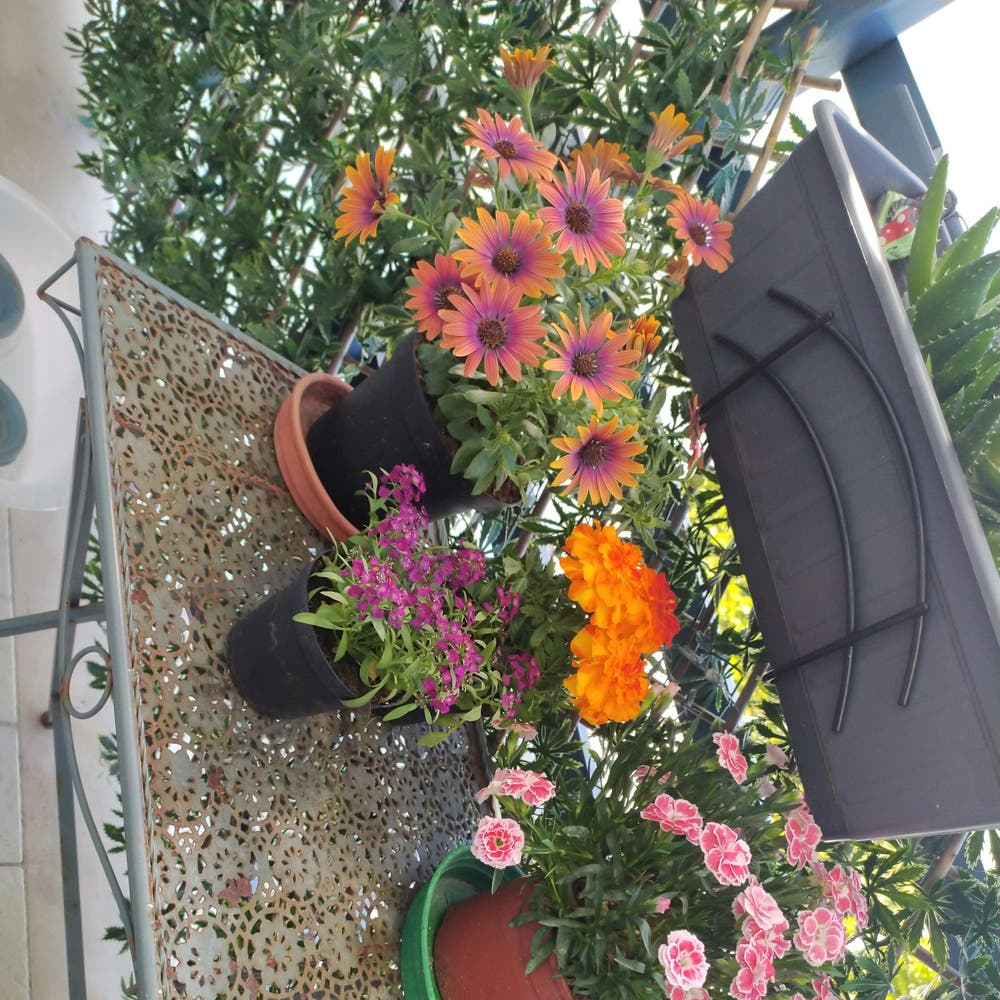
Best Humidity Levels for Alyssum 'Snow Crystals' ❄️
Lobularia maritima 'Snow Crystals'
By the Greg Editorial Team
Oct 15, 2024•4 min read
This article was created with the help of AI so we can cover more plants for you. May contain errors. See one? Report it here.
- 🌡️ Use a hygrometer to monitor humidity levels for optimal Alyssum growth.
- 🌦️ Seasonal changes affect humidity; adjust care practices accordingly for best results.
- 💧 Create humidity trays and group plants to enhance moisture around Alyssum 'Snow Crystals'.
Assessing Local Humidity
🌡️ Tools for Measuring Humidity
To maintain optimal humidity for your Alyssum 'Snow Crystals', using a hygrometer is essential. These handy devices come in various types, including digital and analog, each serving the same purpose: measuring the moisture in the air.
Digital hygrometers are often more accurate and easier to read, while analog options can be more affordable. Regular monitoring is crucial; fluctuations in humidity can significantly impact your plant's health and flower production.
🌦️ Seasonal Humidity Variations
Humidity levels change with the seasons, affecting how you care for your Alyssum. In spring and summer, humidity tends to rise, while fall and winter often bring drier air.
Local climate plays a significant role too. Coastal areas usually experience higher humidity, while inland regions may face more drastic fluctuations. Adjusting your care practices based on these seasonal changes will help keep your Alyssum thriving year-round.
Understanding these variations ensures you can provide the best environment for your plants, enhancing their growth and longevity.
Strategies for Managing Humidity
🌧️ Methods to Boost Humidity
Using Humidity Trays
To create a more humid environment for your Alyssum, humidity trays are a fantastic option. You’ll need shallow trays, pebbles, and water.
- Fill the tray with pebbles.
- Add water without submerging the pebbles.
- Place your pot on top of the pebbles.
This setup allows water to evaporate gradually, increasing humidity around your plants. Humidity trays are especially beneficial for indoor settings, helping maintain the moisture levels that Alyssum thrives on.
Grouping Plants Together
Clustering your plants can create microclimates that boost humidity. When plants are grouped, they share moisture through transpiration, which can significantly enhance the humidity levels.
Aim for a spacing of about 6-12 inches between plants to allow for airflow while maximizing humidity. This arrangement not only benefits Alyssum but also supports the health of nearby plants, creating a thriving ecosystem.
Misting Techniques
Misting can be an effective way to increase humidity, but timing and technique matter. Aim to mist your Alyssum early in the morning or late in the afternoon to avoid leaf damage.
Use room temperature water to prevent shock. However, be cautious; excessive misting can lead to mold growth. If you notice signs of over-misting, consider other humidity-boosting methods.
🌬️ Methods to Reduce Humidity
Proper Air Circulation
Good airflow is essential for preventing mold and mildew. Ensuring your Alyssum has adequate air circulation can help maintain a healthy environment.
Consider using fans or ventilation systems to enhance airflow. Position your plants strategically to allow for optimal air movement, which will keep humidity levels in check.
Using Dehumidifiers
If humidity levels are consistently high, a dehumidifier can be a game-changer. Look for types specifically designed for plant care to ensure they meet your needs.
Set up the dehumidifier in the same room as your Alyssum and monitor the humidity levels regularly. This will help you maintain the ideal moisture balance for your plants, ensuring they stay healthy and vibrant.
By employing these strategies, you can effectively manage humidity levels, creating an ideal environment for your Alyssum 'Snow Crystals' to flourish. Next, let’s explore common humidity-related issues and how to tackle them effectively.
Common Humidity-Related Issues
Signs of Low Humidity Stress 🌵
Low humidity can be detrimental to your Alyssum 'Snow Crystals'. Watch for symptoms like leaf curling, browning tips, and wilting.
To diagnose low humidity issues, observe your plant closely. If the leaves appear dry and crispy, it's a clear sign that the air is too dry.
Immediate actions include increasing misting or placing humidity trays nearby. These steps can help restore the moisture your plant craves.
Signs of High Humidity Stress 🌧️
Conversely, high humidity can lead to its own set of problems. Look for signs such as mold growth, yellowing leaves, and root rot.
Diagnosing high humidity issues involves checking for excessive moisture around the roots and on the leaves. If your Alyssum feels soggy, it’s time to act.
Immediate actions to take include improving air circulation and ensuring your plant is not sitting in water. These adjustments can help mitigate the effects of high humidity.
Solutions for Humidity-Related Problems 💧
For low humidity, quick fixes include increasing misting frequency and utilizing humidity trays. Both methods can effectively boost moisture levels around your Alyssum.
If high humidity is the issue, focus on enhancing air circulation and consider using dehumidifiers. These tools can significantly improve the growing environment.
Long-term strategies for maintaining optimal moisture levels involve regular monitoring and adjusting care practices based on seasonal changes. Staying proactive will keep your Alyssum thriving.
With these insights, you can tackle humidity-related challenges head-on, ensuring your Alyssum 'Snow Crystals' flourish beautifully. Next, let’s explore effective strategies for managing humidity levels.
⚠️ Safety First
This content is for general information and may contain errors, omissions, or outdated details. It is not medical, veterinary advice, or an endorsement of therapeutic claims.
Always consult a qualified healthcare professional before using any plant as food, medicine, or supplement.
Never eat any plant (or feed one to pets) without confirming its identity with at least two trusted sources.
If you suspect poisoning, call Poison Control (800) 222-1222, the Pet Poison Helpline (800) 213-6680, or your local emergency service immediately.
Spotted an error? Please report it here.
Keep your Alyssum 'Snow Crystals' thriving 🌱 by using Greg's personalized humidity tips and reminders to create the perfect environment for your plants!