🌞 Sundrops Roots 101
Oenothera fruticosa
By the Greg Editorial Team
Sep 30, 2024•6 min read
This article was created with the help of AI so we can cover more plants for you. May contain errors. See one? Report it here.
Master Sundrops' root systems 🌱 for a thriving garden and unlock their full potential today!
- 🌱 Sundrops have fibrous roots that efficiently absorb nutrients and water.
- 💧 Deep watering every 1-2 weeks prevents root rot and promotes healthy growth.
- 🌼 Healthy roots are crucial for thriving Sundrops; inspect regularly for issues.
Type of Root System
🌱 Fibrous Root Characteristics
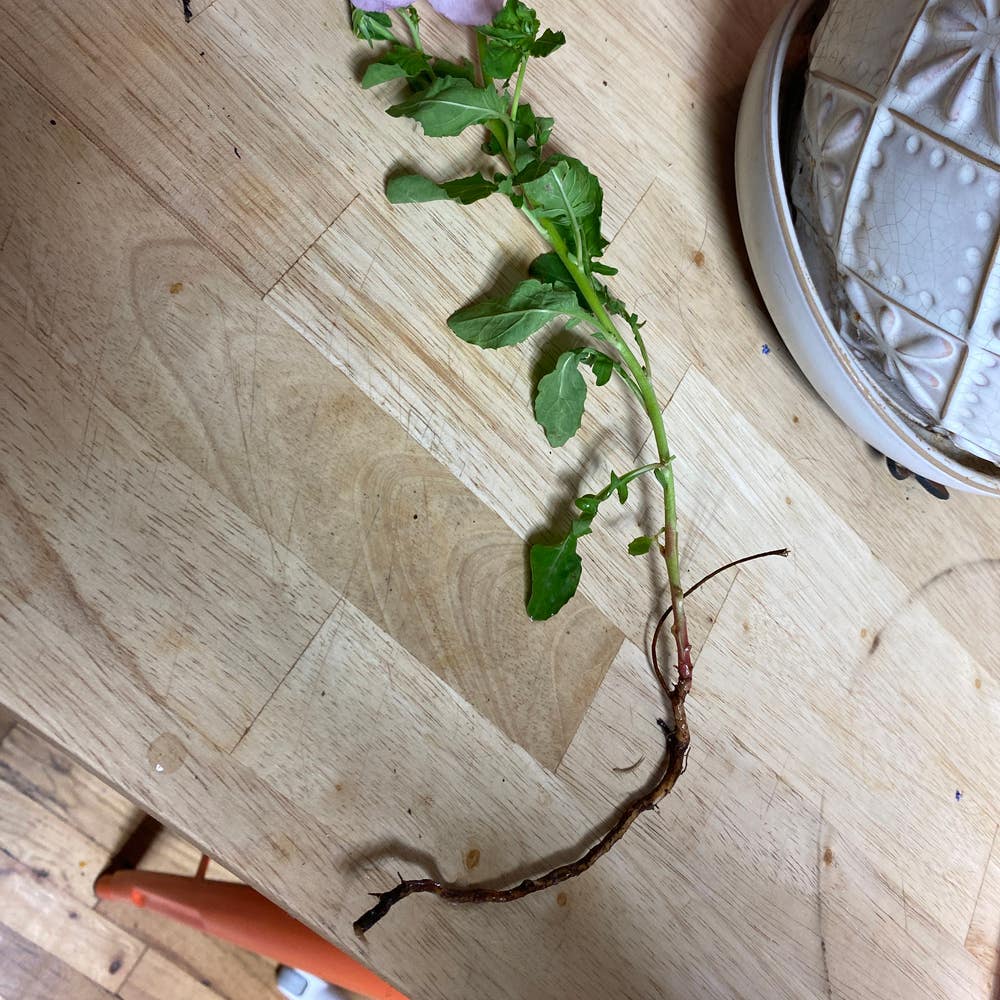
Fibrous roots are characterized by their thin, branching structure that spreads horizontally through the soil. This network of roots allows plants like Sundrops to efficiently absorb nutrients and water.
In contrast to taproot systems, which feature a single, deep root, fibrous roots offer significant advantages. They excel in nutrient absorption and are more resilient during drought conditions, making them ideal for various environments.
Sundrops roots are particularly adept at extracting nutrients from different soil types. They thrive even in poor soil conditions, showcasing their remarkable adaptability and resilience.
This ability not only supports their growth but also enhances their overall health, allowing them to flourish where other plants might struggle. Understanding these characteristics can help you appreciate the unique advantages of Sundrops in your garden.
As we delve deeper into the specifics of Sundrops, let's explore their root depth, spread, and growth patterns.
Root Depth, Spread, and Growth Patterns
Typical Root Depth and Spread 🌱
Sundrops typically develop a root depth of 12-24 inches (30-60 cm). Their roots can spread horizontally, extending up to 3 feet (90 cm) from the plant's base, allowing for efficient nutrient absorption.
Growth Patterns and Implications for Care 🌼
These plants establish rapidly in their first growing season, making them a favorite for gardeners. They exhibit seasonal growth patterns, thriving in spring and summer while entering dormancy during winter.
Understanding these growth stages is crucial for effective care. During active growth, adjust your watering and fertilizing practices to support their needs.
Watering, Fertilizing, and Transplanting
🌱 How Root System Affects Watering Needs
Sundrops thrive with a deep watering schedule, ideally every 1-2 weeks. This frequency allows the roots to absorb moisture effectively while preventing waterlogging, which can lead to root rot.
It's crucial to let the soil dry out between waterings. This practice not only promotes healthy root development but also minimizes the risk of fungal diseases.
🧪 Fertilization Strategies Based on Root Characteristics
For optimal growth, use balanced NPK fertilizers during the active growing season. These fertilizers provide essential nutrients that support the vigorous growth of Sundrops.
Apply fertilizer every 4-6 weeks to keep your plants thriving. This regular feeding schedule ensures they have the nutrients they need to flourish.
🌍 Best Practices for Transplanting Sundrops
Timing is key when transplanting Sundrops. Aim for early spring or fall to minimize stress on the plant.
Before you transplant, water the plant thoroughly. This step helps to ease the transition and keeps the roots hydrated.
When transplanting, gently loosen the roots and replant at the same depth. This technique helps maintain root integrity and promotes successful establishment in the new location.
Transitioning to the next section, understanding common root-related issues can further enhance your care for Sundrops.
Common Root-Related Issues
🦠 Identifying Root Rot and Other Diseases
Root rot is a sneaky problem that can devastate your Sundrops. Look for signs like wilting, yellowing leaves, and mushy roots—these are red flags that something's off.
Fungal infections and pest infestations can also plague your plants. Keep an eye out for unusual spots or pests that might be lurking in the soil.
🛡️ Tips for Preventing Root-Related Problems
To keep your Sundrops thriving, well-draining soil is essential. This prevents waterlogging, which is a common culprit behind root rot.
Regularly inspecting the roots during repotting or transplanting can save you a lot of trouble. Catching issues early means healthier plants and a more vibrant garden.
Root Health Indicators
👀 Visual Cues of Healthy Roots
Healthy roots are a gardener's best friend. Look for roots that are firm, with a white or light tan color, and free from any foul odor.
Signs of vigorous root growth include a dense root mass and active branching. These indicators suggest that your Sundrops are thriving beneath the soil.
🚨 Signs of Unhealthy Roots and Corrective Actions
Unhealthy roots can spell trouble for your plants. Indicators include a dark, mushy texture, foul smell, and stunted growth.
To address these issues, focus on improving drainage and adjusting your watering schedule. If necessary, consider using fungicides to combat any infections.
By keeping an eye on these root health indicators, you can ensure your Sundrops remain vibrant and robust. Next, let’s explore how to recognize and remedy rootbound conditions.
Rootbound Plants
Definition and Implications of Being Rootbound 🌱
Rootbound plants have roots that circle the pot, which limits their growth and nutrient uptake. This condition can lead to stunted growth, reduced flowering, and increased stress on the plant.
How to Recognize Rootbound Conditions 👀
You can identify rootbound plants by several signs. Look for roots emerging from drainage holes, slow growth, and wilting despite adequate watering.
Solutions for Rootbound Sundrops 🛠️
To alleviate rootbound conditions, consider repotting into a larger container or performing root pruning.
Best Practices for Repotting
When repotting, gently untangle the roots and provide fresh soil to encourage healthy growth. This simple step can make a significant difference in your Sundrops' vitality.
Recognizing and addressing rootbound conditions is crucial for maintaining healthy plants. With the right care, your Sundrops can thrive and flourish, setting the stage for the next topic on propagation and division.
Propagation and Division
🧑🌾 Importance of Root Health in Propagation
Healthy roots are crucial for successful propagation. They ensure vigorous new growth, allowing your Sundrops to thrive in their new environment.
Timing is also key. Early spring or fall are the best seasons for propagation, as the plants are more resilient and ready to establish themselves.
✂️ Techniques for Dividing Sundrops Effectively
Dividing Sundrops can be straightforward if you follow these steps:
- Water the plant thoroughly a day before division. This helps reduce stress on the roots.
- Carefully remove the plant from its pot. Gently shake off excess soil to expose the roots.
- Use a sharp, clean knife to divide the root ball into sections. Aim for sections that have a good balance of roots and foliage.
- Replant each section immediately in well-draining soil. This ensures they have the best chance to establish quickly.
Maintaining root integrity during division is essential for successful establishment. Take care not to damage the roots, as this can hinder growth and overall health.
With these techniques, you can propagate Sundrops effectively, ensuring they flourish in their new homes. Next, let’s explore common root-related issues that may arise during their care.
⚠️ Safety First
This content is for general information and may contain errors, omissions, or outdated details. It is not medical, veterinary advice, or an endorsement of therapeutic claims.
Always consult a qualified healthcare professional before using any plant as food, medicine, or supplement.
Never eat any plant (or feed one to pets) without confirming its identity with at least two trusted sources.
If you suspect poisoning, call Poison Control (800) 222-1222, the Pet Poison Helpline (800) 213-6680, or your local emergency service immediately.
Spotted an error? Please report it here.
Unlock the secret to thriving Sundrops 🌼 by using Greg's tailored watering reminders and expert care tips to keep their roots healthy and happy!