🌼 How to Cure Root Rot in Your Narrowleaf Evening Primrose
Oenothera fruticosa
By the Greg Editorial Team
Oct 19, 2024•5 min read
This article was created with the help of AI so we can cover more plants for you. May contain errors. See one? Report it here.
Rescue your Narrowleaf Evening Primrose from root rot with these vital diagnosis and treatment strategies! 🌿
- 🌱 Early diagnosis of root rot ensures better recovery for your Evening Primrose.
- 🔍 Inspect roots for discoloration and foul odors to identify root rot effectively.
- 💧 Prevent root rot by using well-draining soil and proper watering techniques.
Diagnosing Root Rot
Visual Signs of Root Rot 🌱
Recognizing root rot early is crucial for saving your Narrowleaf Evening Primrose. Start by observing the leaves; curling or browning edges often signal distress.
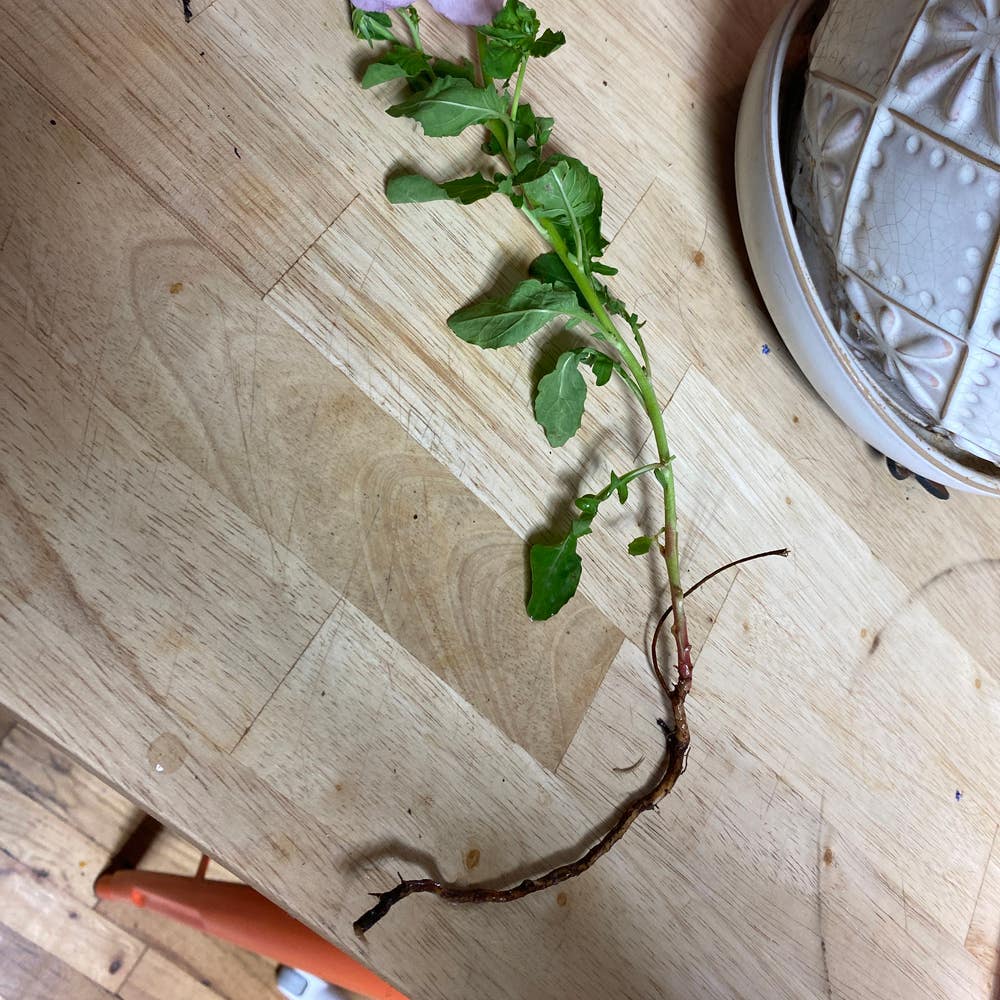
Additionally, droopiness in the plant can indicate deeper issues. Next, inspect the roots closely. Look for signs of decay, such as blackened or mushy roots, which are clear indicators of root rot. Healthy roots, on the other hand, should be firm and exhibit a white or light tan color.
How to Check the Roots for Rot 🔍
Checking the roots for rot is straightforward.
- Carefully remove the plant from its pot or the ground.
- Inspect the root system: Look for discoloration and texture changes. Foul odors can also indicate decay.
- Trim away affected roots using clean scissors to prevent further spread.
Differentiating Between Root Rot and Other Plant Issues ⚖️
It's essential to distinguish root rot from other plant problems.
Comparison with Other Issues: For instance, root aphids can mimic some symptoms of root rot. Nutrient deficiencies may also present similar signs, so careful observation is key.
Importance of Context: Consider recent weather conditions and your watering habits. Overwatering during rainy spells can exacerbate root rot, while dry spells may lead to other issues.
By understanding these differences, you can take the right steps to help your plant recover. Next, we’ll explore effective treatment methods for root rot.
Treating Root Rot
🛠️ Step-by-Step Guide to Treating Root Rot
Remove the Plant: Start by carefully taking the plant out of its pot or the ground. This step is crucial to assess the root system effectively.
Inspect and Prune Affected Roots: Look for mushy or blackened roots. Cut away any affected areas to prevent further decay.
Clean the Remaining Healthy Roots: Rinse the healthy roots under water. This helps remove any lingering soil and pathogens that could cause issues later.
Repot in Fresh, Well-Draining Soil: Choose a mix of sand and potting soil for optimal drainage. This will create a healthier environment for your Evening Primrose.
🧪 Recommended Fungicides or Treatments
Chemical Treatments: Consider using copper-based fungicides. Follow the application instructions carefully and take necessary safety precautions.
Organic Alternatives: Explore beneficial microbes or natural fungicides like neem oil. These options can be effective and are often gentler on the environment.
✂️ Importance of Root Pruning and How to Do It
Benefits of Root Pruning: Pruning encourages new growth and promotes healthier root systems. It’s a vital step in the recovery process.
Pruning Techniques: Use sterilized scissors or pruning shears for the best results. Make clean cuts and handle the roots gently to minimize stress on the plant.
By following these steps, you can effectively treat root rot and give your Narrowleaf Evening Primrose a fighting chance. Next, let’s explore how to prevent root rot from occurring in the first place.
Preventing Root Rot
🌱 Best Soil Types and Drainage Practices
To keep your Narrowleaf Evening Primrose thriving, start with the right soil. Sandy, well-draining soils are ideal, allowing excess water to escape and preventing root rot.
Consider adding amendments like perlite or coarse sand to enhance drainage. This will create a loose structure that encourages healthy root growth.
Drainage Solutions
Using pots with drainage holes is essential. They help prevent water from pooling at the bottom, which can lead to rot.
Raised beds are another excellent option. They promote better water management and airflow around the roots, reducing the risk of over-saturation.
💧 Watering Techniques to Avoid Overwatering
Establishing a proper watering schedule is crucial. Adjust your frequency based on seasonal needs and the moisture level of the soil.
Before watering, always check the soil moisture. Techniques like deep watering can help ensure the roots get what they need without oversaturating the soil.
🌞 Seasonal Care Tips to Prevent Root Rot
During the summer, adjust your watering frequency to match the blooming season. This helps keep the plant hydrated without overwhelming it.
In winter, protect your Evening Primrose from excessive moisture. Consider covering the roots or moving the plant to a drier location to prevent rot during colder months.
By following these preventive measures, you can significantly reduce the risk of root rot and keep your Narrowleaf Evening Primrose healthy and vibrant. Next, let’s explore how to care for your plant after treatment.
Post-Treatment Care
How to Care After Treatment 🌱
After repotting your Narrowleaf Evening Primrose, start with light watering. Avoid direct sunlight for a few days to help your plant acclimate.
Regularly monitor your plant's health during this recovery phase. Look for signs of improvement or any lingering issues that may arise.
Signs of Recovery and Ongoing Monitoring 👀
Keep an eye out for indicators of health, such as new growth and vibrant leaf color. A return to normal blooming patterns is also a good sign that your plant is on the mend.
Conduct weekly inspections to check moisture levels and root health. This proactive approach will help you catch any problems early.
Fertilization and Soil Amendment Tips Post-Treatment 🌿
Timing is crucial when it comes to fertilization. Wait at least a few weeks after treatment before introducing any fertilizers.
When you're ready, opt for fertilizers that are suitable for Evening Primrose. Balanced nutrients will support your plant's recovery and promote healthy growth.
By following these post-treatment care tips, you'll set your Narrowleaf Evening Primrose on the path to thriving once again. Next, let’s explore how to prevent root rot from occurring in the first place.
⚠️ Safety First
This content is for general information and may contain errors, omissions, or outdated details. It is not medical, veterinary advice, or an endorsement of therapeutic claims.
Always consult a qualified healthcare professional before using any plant as food, medicine, or supplement.
Never eat any plant (or feed one to pets) without confirming its identity with at least two trusted sources.
If you suspect poisoning, call Poison Control (800) 222-1222, the Pet Poison Helpline (800) 213-6680, or your local emergency service immediately.
Spotted an error? Please report it here.
Revive your Narrowleaf Evening Primrose from root rot with early detection 🔍 and let Greg guide you with tailored watering plans and community tips for thriving plants!