🌼 Step-by-Step Guide to Repotting Narrowleaf Evening Primrose
Oenothera fruticosa
By the Greg Editorial Team
Oct 19, 2024•7 min read
This article was created with the help of AI so we can cover more plants for you. May contain errors. See one? Report it here.
Revitalize your Narrowleaf Evening Primrose 🌱 with expert repotting tips for thriving growth and vibrant blooms!
- 🌱 Signs of overcrowding include roots pushing through holes or stunted growth.
- 🪴 Choose a pot 1-2 inches larger for proper root expansion and health.
- 💧 Monitor watering carefully post-repotting to prevent stress and ensure thriving growth.
Signs That It’s Time to Repot
🌱 Indicators of Overcrowding
Recognizing when your Narrowleaf Evening Primrose needs repotting is crucial for its health. If you see roots pushing through the drainage holes, it’s a clear sign that your plant is overcrowded.
Another indicator is stunted growth. If your plant seems to have hit a growth plateau or is growing slower than usual, it might be time for a new pot. Additionally, if the soil dries out too quickly after watering, that’s a red flag indicating the roots are likely cramped.
🩺 Assessing Plant Health
Plant health is another critical factor to consider. Yellowing leaves or wilting, even when you’re watering adequately, can signal underlying issues.
Check the root system for binding or circling roots. If the plant appears top-heavy or unbalanced, it’s a strong indication that it’s ready for a larger home.
By keeping an eye on these signs, you can ensure your Narrowleaf Evening Primrose thrives in its environment. Next, let’s dive into how to assess root health before making the move to repot.
Assessing Root Health Before Repotting
🌱 Root Inspection Techniques
Before repotting your Narrowleaf Evening Primrose, it's crucial to assess the root health. Start by gently removing the plant from its current pot.
Once out, take a close look at the root system. Healthy roots should be white and firm, while brown, mushy roots indicate trouble.
Keep an eye out for signs of root rot or disease, as these can severely impact your plant's health.
🦴 Importance of Root Health
Healthy roots are the backbone of your plant's nutrient uptake and overall vigor. If the roots are compromised, the plant will struggle to thrive.
Addressing any root issues before repotting is essential. This proactive step can help prevent transplant shock, ensuring a smoother transition for your plant.
By prioritizing root health, you're setting your Narrowleaf Evening Primrose up for success in its new home.
Next, let’s explore how to choose the right pot size for your plant.
Choosing the Right Pot Size
Ideal Pot Size Guidelines 🌱
Choosing the right pot size is crucial for the health of your Narrowleaf Evening Primrose. A good rule of thumb is to select a pot that is 1-2 inches larger in diameter than the current one.
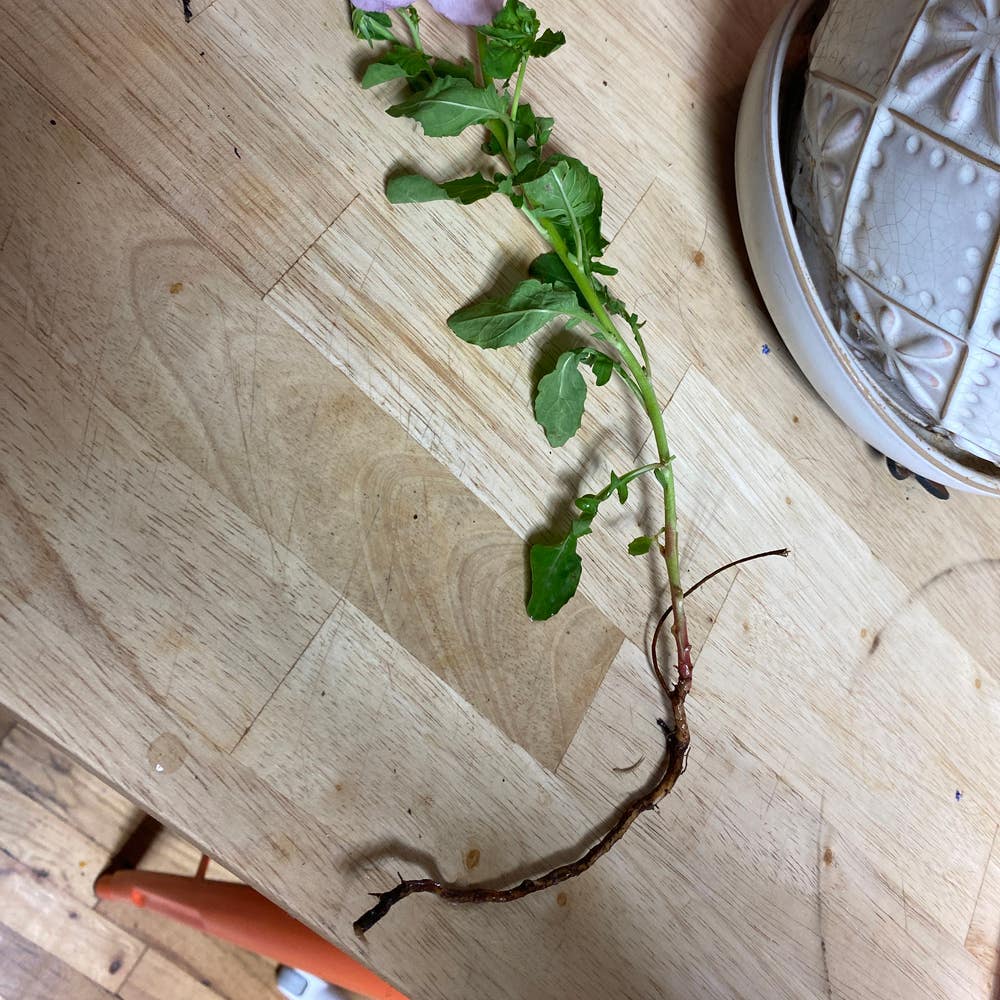
Don't forget about depth! Ensure there's enough space for the long taproot to grow comfortably.
Impact of Pot Size on Growth 📏
The size of the pot can significantly affect your plant's growth. If the pot is too small, it limits root expansion and nutrient uptake, which can stunt your plant's development.
On the flip side, a pot that's too large can lead to overwatering and root rot. Striking the right balance is key to a thriving plant.
Choosing the right pot size sets the stage for successful repotting. Next, let’s explore the various pot materials that can enhance your gardening experience.
Pot Material Options
Benefits of Terracotta Pots 🌱
Terracotta pots are a gardener's best friend when it comes to drainage. Their porous nature allows excess moisture to escape, significantly reducing the risk of root rot.
Additionally, terracotta pots offer an aesthetic appeal that enhances any garden or patio. Their earthy tones blend beautifully with plants, making them a popular choice for container gardening.
Advantages of Plastic Pots 💧
Plastic pots are lightweight and incredibly easy to handle, making them ideal for those who frequently rearrange their plants. They also retain moisture better than terracotta, which can be a lifesaver during hot, dry spells.
Moreover, plastic pots are cost-effective and come in a variety of sizes, catering to different plant needs. This versatility makes them a practical choice for many gardeners.
Disadvantages of Ceramic Pots ⚖️
While ceramic pots can be visually stunning, they come with some drawbacks. Their weight can make them cumbersome to move, especially when filled with soil and plants.
Ceramic pots also tend to retain too much moisture, which can lead to root issues if not monitored closely. This can be a significant concern for plants like the Narrowleaf Evening Primrose that prefer well-drained conditions.
When to Avoid Certain Materials 🚫
When selecting pots, it's wise to steer clear of metal options. Metal pots can heat up quickly in direct sunlight, potentially damaging delicate roots.
Additionally, consider your local climate when choosing pot materials. For instance, in humid areas, breathable materials like terracotta may be more beneficial, while plastic might be better suited for drier climates.
Understanding the pros and cons of various pot materials can significantly impact your plant's health. Choosing the right one sets the stage for successful repotting and thriving plants.
As you prepare for the repotting process, let’s dive into the step-by-step guide to ensure your Narrowleaf Evening Primrose transitions smoothly into its new home.
Repotting Process
Step-by-Step Guide to Repotting 🌱
Repotting your Narrowleaf Evening Primrose can seem daunting, but it’s a straightforward process. Follow these steps for a successful transition:
- Prepare the new pot with drainage holes. Good drainage is crucial to prevent root rot.
- Select the appropriate potting soil. A well-draining mix will support healthy growth.
- Gently remove the plant from its current pot. Take care not to damage the roots during this step.
- Inspect and trim any damaged roots. Healthy roots should be white; brown or mushy roots need to be cut away.
- Place the plant in the new pot, ensuring the taproot is straight. This helps the plant establish itself more effectively.
- Fill with soil, leaving space at the top for watering. This prevents overflow when you water.
- Water thoroughly to settle the soil. This helps eliminate air pockets and ensures good contact with the roots.
How to Handle Transplant Shock ⚡️
Transplant shock can be a concern, but you can minimize its effects.
- Water before and after repotting. This keeps the plant hydrated during the transition.
- Avoid direct sunlight for a few days post-repotting. This gives your plant time to adjust without added stress.
Watering After Repotting 💧
Proper watering is vital after repotting.
- Initial watering: Ensure the soil is moist but not soggy. Overwatering can lead to root issues.
- Follow-up watering: Monitor moisture levels closely for the first few weeks. Adjust your watering schedule based on the new pot size and soil type.
With these steps, your Narrowleaf Evening Primrose will thrive in its new home. Next, let’s explore common challenges you might face during and after the repotting process.
Common Challenges
Addressing Root-Bound Issues 🌱
Root-bound plants often show clear signs of distress. Look for roots circling the pot or even emerging from the drainage holes.
If you notice these signs, it’s time to take action. Gently prune the roots and repot the plant into a larger container to give it room to thrive.
Signs of Stress After Repotting 😟
After repotting, your plant may experience some stress. Common indicators include wilting or yellowing leaves, as well as stunted growth or leaf drop.
These symptoms can be alarming, but they’re often temporary. With the right care, your plant can bounce back.
Solutions for Common Repotting Problems 🛠️
Adjusting your watering schedule is crucial after repotting. Take into account the new pot size and soil type to ensure your plant receives the right amount of moisture.
Additionally, keep an eye out for pests or diseases that may arise due to the stress of repotting. Early detection can make all the difference in maintaining your plant's health.
By being proactive and attentive, you can navigate these common challenges successfully. Now that you’re equipped to handle potential issues, let’s explore how to ensure your plant thrives in its new home.
⚠️ Safety First
This content is for general information and may contain errors, omissions, or outdated details. It is not medical, veterinary advice, or an endorsement of therapeutic claims.
Always consult a qualified healthcare professional before using any plant as food, medicine, or supplement.
Never eat any plant (or feed one to pets) without confirming its identity with at least two trusted sources.
If you suspect poisoning, call Poison Control (800) 222-1222, the Pet Poison Helpline (800) 213-6680, or your local emergency service immediately.
Spotted an error? Please report it here.
Repotting your Narrowleaf Evening Primrose can be a breeze 🌿 when you follow the right steps, and with Greg's tailored watering reminders, you'll ensure your plant thrives in its new home!