🌼 Why Narrowleaf Evening Primrose Is A Perennial Plant
Oenothera fruticosa
By the Greg Editorial Team
Oct 19, 2024•5 min read
This article was created with the help of AI so we can cover more plants for you. May contain errors. See one? Report it here.
Elevate your garden's beauty and resilience with narrowleaf evening primrose, a perennial that thrives year after year! 🌼
- 🌼 Narrowleaf evening primrose thrives for years, blooming vibrant yellow flowers each summer.
- 🌱 Deep roots ensure resilience, accessing moisture and nutrients even in drought.
- 🌞 Full sun placement boosts growth, attracting beneficial pollinators and enhancing garden biodiversity.
Characteristics of Narrowleaf Evening Primrose as a Perennial
🌱 Multi-Year Lifecycle
Narrowleaf evening primrose boasts a fascinating multi-year lifecycle. It begins with germination and establishment, where seeds sprout and develop into young plants.
As the plant matures, it enters growth and flowering cycles, showcasing vibrant yellow blooms. These flowers attract pollinators, which play a crucial role in the plant's reproduction.
Once flowering concludes, the plant focuses on seed production and dispersal. This phase ensures the continuation of the species, as seeds are spread by wind or animals, ready to germinate in the right conditions.
🌿 Growth Patterns and Regrowth from Roots
Narrowleaf evening primrose exhibits unique growth habits. Typically, it can reach heights of 2 to 4 feet, with a spread of about 1 to 2 feet, making it a striking addition to any garden.
The leaves are narrow and lance-shaped, arranged in a rosette pattern at the base. This structure not only adds visual interest but also maximizes sunlight absorption.
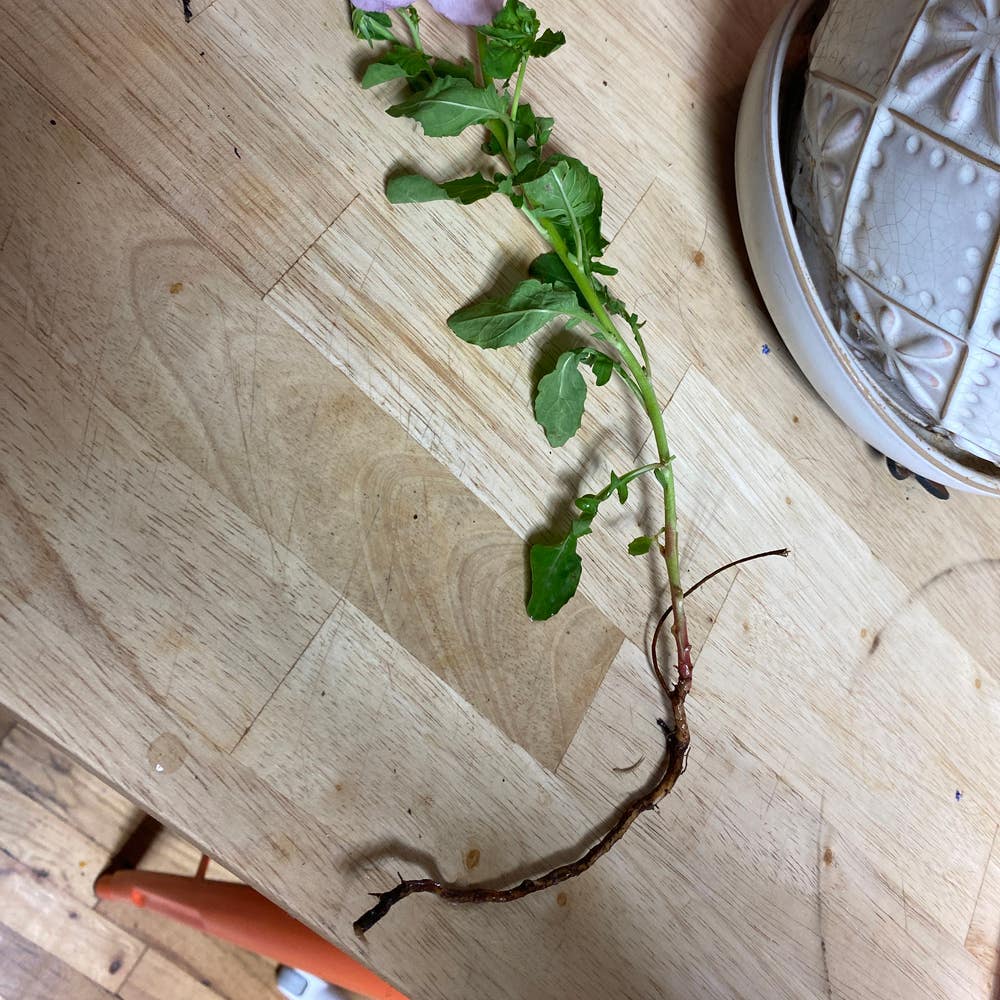
When it comes to regrowth, the plant utilizes stored energy in its roots. This energy allows it to bounce back each spring, thriving after dormancy.
Timing is key for regrowth, as it aligns with seasonal changes. As temperatures rise, the plant awakens, ready to flourish once again.
With its resilient nature and beautiful blooms, narrowleaf evening primrose is a perennial that brings both beauty and sustainability to gardens.
Next, we will explore the seasonal changes and dormancy that affect this remarkable plant.
Seasonal Changes and Dormancy
🌱 Dormancy Periods
Narrowleaf evening primrose experiences dormancy triggered by extreme weather conditions, such as harsh cold or prolonged heat. During this phase, the plant conserves energy, leading to a temporary halt in growth.
The duration of dormancy can vary, typically lasting several weeks to months. Signs include wilting leaves and a noticeable slowdown in growth, signaling that the plant is resting and preparing for the next growing season.
🍂 Seasonal Changes Affecting Growth and Flowering
In spring, narrowleaf evening primrose emerges from dormancy, often blooming as early as April. This vibrant display marks the beginning of its active growth phase.
Summer brings robust growth and peak flowering, with the plant reaching its full height and showcasing its striking yellow flowers. This is the time when gardeners can truly appreciate its beauty and resilience.
As fall approaches, the plant begins to prepare for dormancy. Leaves may yellow and die back, signaling that it’s time to conserve energy for the winter months ahead. Understanding these seasonal changes helps gardeners anticipate the plant's needs and care effectively.
With a solid grasp of the seasonal dynamics, you're better equipped to nurture narrowleaf evening primrose in your garden. Next, let’s explore the advantages this perennial offers for gardeners.
Advantages for Gardeners
Benefits of Reduced Replanting 🌱
Narrowleaf evening primrose is a gardener's dream for its cost-effectiveness. Once established, these perennials return year after year, saving you money on replanting.
Time is another precious resource saved with these plants. With their multi-year lifecycle, you can spend less time on planting and more time enjoying your garden.
Importance of Established Root Systems 🌳
Established root systems provide significant advantages, particularly in drought conditions. These deep roots allow the plant to access moisture that surface-level plants can't reach.
Additionally, the robust root structure enhances nutrient uptake. This means healthier plants that thrive with less effort on your part, making gardening more rewarding.
With these benefits in mind, you can see why narrowleaf evening primrose is a fantastic choice for any garden. Next, let’s explore the lifespan and longevity factors that contribute to its perennial nature.
Lifespan and Longevity Factors
Expected Lifespan 🌱
Narrowleaf evening primrose typically thrives for three to five years in ideal conditions. However, with proper care and attention, some plants can live even longer, showcasing their resilience.
Environmental factors play a significant role in longevity. Variations in soil quality, moisture levels, and sunlight can all impact how long these perennials flourish.
Factors Influencing Longevity ⏳
Climate zone variations are crucial for the lifespan of narrowleaf evening primrose. Plants in milder climates tend to thrive longer than those in harsher environments.
Pest and disease resistance also affects longevity. Healthy plants can fend off common threats, while stressed ones may succumb more easily, highlighting the importance of regular care and monitoring.
Understanding these factors can help gardeners optimize the lifespan of their narrowleaf evening primrose, ensuring a vibrant display year after year.
As we explore the next section, we'll delve into how to maximize the benefits of these hardy perennials in your garden.
Maximizing Perennial Benefits
Tips for Garden Planning 🌼
Strategic placement of Narrowleaf Evening Primrose can enhance your garden's aesthetic and ecological balance. Consider positioning them in areas that receive full sun, as they thrive in bright conditions and can attract beneficial pollinators.
Grouping these plants together not only creates a stunning visual impact but also supports their growth. This clustering can help with moisture retention and create a microenvironment that fosters healthy development.
Long-Term Cultivation Strategies 🌱
To ensure your Narrowleaf Evening Primrose flourishes, establish seasonal care routines. Regularly check for weeds and pests, as a clean environment promotes healthy growth and reduces competition for nutrients.
Encouraging self-seeding and natural propagation can also be beneficial. Allow some flowers to go to seed, and you'll find new plants emerging in the following seasons, adding to the beauty of your garden without additional effort.
By implementing these strategies, you can maximize the benefits of your perennial plants, ensuring they thrive year after year. This not only saves time and money but also enriches your garden's biodiversity.
⚠️ Safety First
This content is for general information and may contain errors, omissions, or outdated details. It is not medical, veterinary advice, or an endorsement of therapeutic claims.
Always consult a qualified healthcare professional before using any plant as food, medicine, or supplement.
Never eat any plant (or feed one to pets) without confirming its identity with at least two trusted sources.
If you suspect poisoning, call Poison Control (800) 222-1222, the Pet Poison Helpline (800) 213-6680, or your local emergency service immediately.
Spotted an error? Please report it here.
Cultivate a stunning garden with narrowleaf evening primrose 🌱 by using Greg's tailored care reminders to keep your perennials thriving year after year!