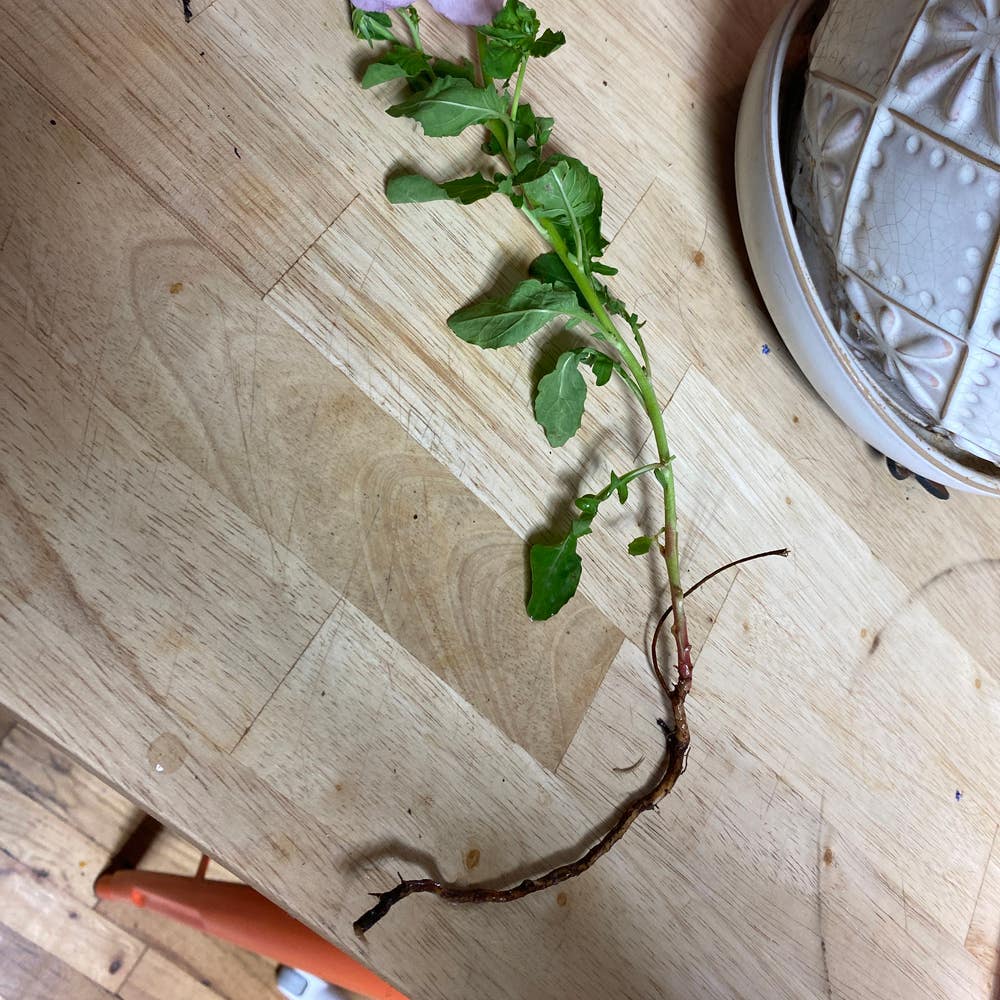
Best Spot to Plant Your Narrowleaf Evening Primrose 🥄
Oenothera fruticosa
By the Greg Editorial Team
Oct 19, 2024•5 min read
This article was created with the help of AI so we can cover more plants for you. May contain errors. See one? Report it here.
Cultivate stunning Narrowleaf Evening Primrose blooms by mastering sunlight and soil balance! 🌞
- 🌞 Narrowleaf evening primrose needs 6-8 hours of full sun for optimal blooming.
- 🌱 Well-drained, sandy or loamy soil prevents root rot and promotes healthy growth.
- 🌬️ Wind protection and companion planting enhance resilience and attract pollinators.
Sunlight Exposure Requirements
Full Sun and Partial Shade 🌞
Narrowleaf evening primrose flourishes with a minimum of 6-8 hours of direct sunlight each day. This plant thrives best in dappled sunlight, particularly in spots that receive morning sun followed by afternoon shade.
More sunlight typically results in more prolific blooming. Conversely, insufficient sunlight can lead to leggy growth, making the plant less visually appealing and less robust.
Finding the Right Balance ⚖️
When selecting a location, consider how the sun moves throughout the day. Areas that catch the early rays but are sheltered from the harsh afternoon sun can create an ideal environment for your evening primrose.
Remember, the right balance of sun exposure not only enhances blooming but also contributes to the overall health of the plant.
Seasonal Considerations 🍂
Keep in mind that sunlight availability can change with the seasons. Tracking sunlight patterns over time can help you identify the best spots for planting.
Utilizing tools like a sun chart or a simple log can make this process easier, ensuring your evening primrose gets the light it craves year-round.
With the right sunlight exposure, your narrowleaf evening primrose will be set up for success, leading us to the next crucial factor: soil type preferences.
Soil Type Preferences
Well-Drained Soil Conditions 🌊
When planting your Narrowleaf Evening Primrose, drainage is crucial for healthy roots. Poorly drained soil can lead to root rot, which can quickly kill your plants.
Ideal soil types include sandy, loamy, or rocky varieties. These soils allow excess water to flow away, keeping roots dry and healthy.
This plant prefers a slightly acidic to neutral pH, ideally between 6.0 and 7.0. Testing your soil can help you determine if amendments are necessary.
Interestingly, Narrowleaf Evening Primrose can thrive even in nutrient-poor conditions. This resilience makes it a fantastic choice for low-maintenance gardens.
Tips for Soil Preparation 🛠️
Before planting, consider conducting a soil test. This will help you understand your soil's drainage capabilities and pH levels.
If your soil is heavy clay, you might need to amend it with organic matter. This will improve drainage and create a more hospitable environment for your Evening Primrose.
In summary, focus on well-drained soil to ensure your plants flourish. With the right conditions, you’ll enjoy vibrant blooms that brighten your garden.
As you prepare your garden, don’t forget to assess sunlight patterns next. Understanding how light interacts with your space will further enhance your planting success.
Assessing the Best Spot
🌞 Evaluating Sunlight Patterns
To find the perfect spot for your Narrowleaf Evening Primrose, start by tracking sunlight exposure. A sun chart or log can help you identify areas that receive consistent sunlight throughout the day.
Consider how the sun's position changes with the seasons. This will ensure your plants get the right amount of light year-round, maximizing their growth and blooming potential.
🌱 Analyzing Soil Conditions
Next, it's crucial to assess your soil conditions. Conducting a soil test will provide insights into drainage and overall health, which are vital for your plants.
If your soil needs improvement, consider amending it with organic matter. Understanding whether your soil is sandy, clay, or loamy will help you tailor your care for optimal growth.
By evaluating both sunlight and soil, you're setting the stage for a thriving garden. This groundwork will lead to healthier plants and a more vibrant landscape.
Environmental Considerations
🌬️ Wind Protection Strategies
Wind can be a silent stressor for your Narrowleaf Evening Primrose. Protecting these plants from harsh gusts is essential for their health and vitality.
Natural windbreaks, like shrubs or trees, can provide a shield against strong winds. They not only reduce stress on your plants but also create a more stable microclimate.
If natural barriers aren't available, consider using artificial structures such as fencing or trellises. These can effectively block wind while adding an aesthetic element to your garden.
🏢 Impact of Nearby Structures
Nearby buildings can significantly influence your garden's environment. They may create unwanted shade or reflect heat, affecting how much sunlight your plants receive.
It's crucial to evaluate how these structures interact with sunlight throughout the seasons. Planning for these changes ensures your Narrowleaf Evening Primrose gets the light it needs to thrive.
Understanding these environmental factors will help you create a more suitable habitat for your plants. Next, let’s explore how to assess the best spot for planting by evaluating sunlight patterns and soil conditions.
Companion Planting and Landscape Design
Best Companion Plants 🌼
Companion planting can significantly enhance your garden's biodiversity. By attracting pollinators, you not only boost the health of your Narrowleaf Evening Primrose but also create a vibrant ecosystem.
Consider planting Coneflowers and Black-eyed Susans alongside your primrose. These native plants thrive in similar conditions and will draw in bees and butterflies, ensuring your garden is alive with activity.
Designing a Garden Layout 🏡
When designing your garden, think about grouping plants with similar light and water needs. This approach simplifies care and maximizes growth potential.
To create visual interest, incorporate plants of varying heights and colors. This not only makes your garden more appealing but also provides a dynamic backdrop throughout the seasons.
Lastly, plan for seasonal blooms to ensure a continuous display of flowers. This strategy keeps your garden lively and engaging, providing beauty from spring through fall.
By thoughtfully selecting companions and designing your layout, you can cultivate a thriving garden that celebrates the beauty of nature. Next, let’s explore environmental considerations to further enhance your planting strategy.
⚠️ Safety First
This content is for general information and may contain errors, omissions, or outdated details. It is not medical, veterinary advice, or an endorsement of therapeutic claims.
Always consult a qualified healthcare professional before using any plant as food, medicine, or supplement.
Never eat any plant (or feed one to pets) without confirming its identity with at least two trusted sources.
If you suspect poisoning, call Poison Control (800) 222-1222, the Pet Poison Helpline (800) 213-6680, or your local emergency service immediately.
Spotted an error? Please report it here.
Help your narrowleaf evening primrose bloom brilliantly 🌼 by using Greg's tailored sunlight tracking and watering reminders to create the perfect growing environment!