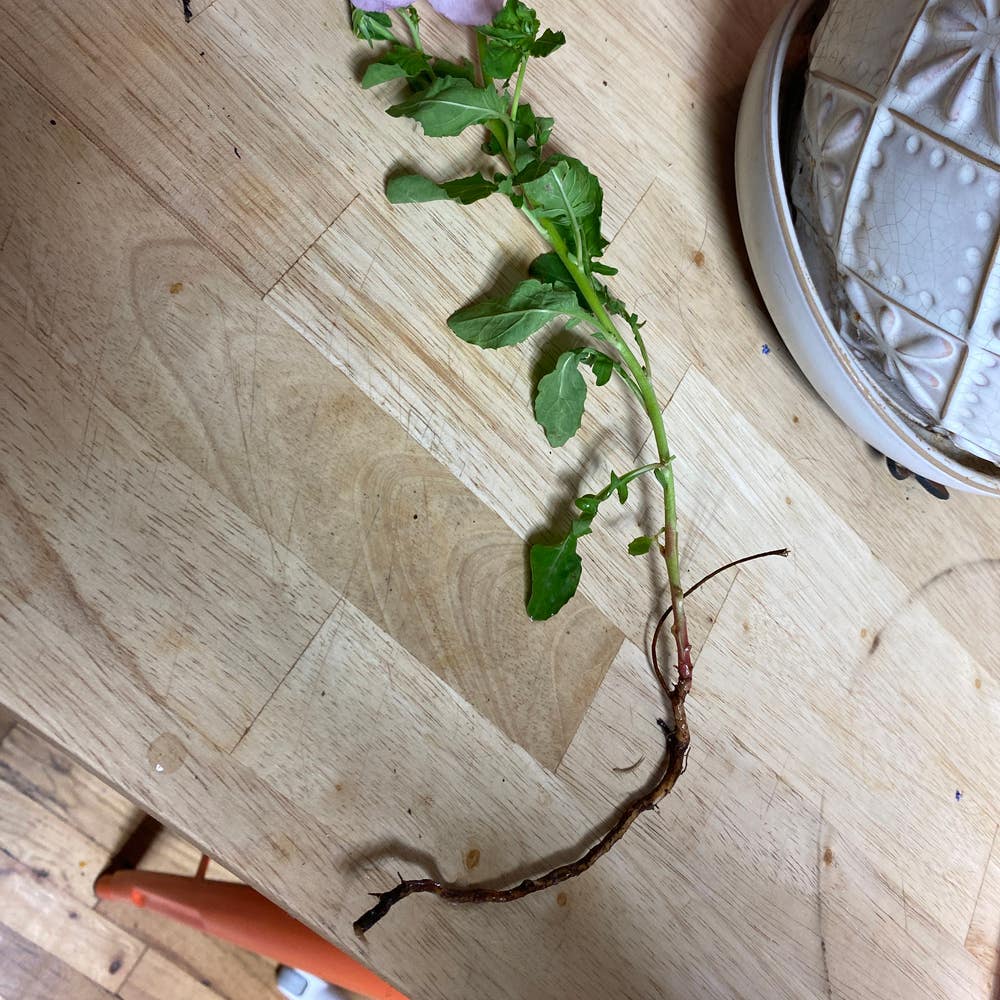
🌙 Why Your Narrowleaf Evening Primrose Leaves Are Falling Over
Oenothera fruticosa
By the Greg Editorial Team
Oct 19, 2024•5 min read
This article was created with the help of AI so we can cover more plants for you. May contain errors. See one? Report it here.
Nurture your Narrowleaf Evening Primrose 🌱 to thrive against stress and enjoy vibrant growth all year round!
- 🌡️ Ideal temperatures for Narrowleaf Evening Primrose are 60°F to 75°F (15°C to 24°C).
- 💧 Overwatering or underwatering leads to drooping leaves; adjust your watering routine.
- 🌱 Nutrient deficiencies like nitrogen affect growth; ensure proper fertilization for vitality.
Environmental Stress Factors
🌡️ Temperature Fluctuations
Narrowleaf Evening Primrose thrives in a cozy temperature range of 60°F to 75°F (15°C to 24°C). When temperatures swing to extremes, whether scorching heat or biting cold, your plant's leaves can suffer significantly.
Extreme heat can lead to leaf scorching, while cold snaps may cause wilting or even leaf drop. Keeping your plant within its ideal temperature range is crucial for maintaining vibrant, healthy foliage.
💧 Humidity Levels
This plant prefers a moderate humidity level of 40% to 60%. When humidity dips too low, you might notice the leaves starting to droop, signaling that your plant is stressed.
Low humidity can lead to dehydration, causing the leaves to lose their perkiness. Ensuring a balanced humidity level will help keep your Narrowleaf Evening Primrose looking its best.
Understanding these environmental stress factors is key to nurturing your plant. Next, we'll delve into soil conditions and how they impact your Evening Primrose's health.
Soil Conditions
💧 Overwatering vs. Underwatering
Understanding the balance between overwatering and underwatering is crucial for your Narrowleaf Evening Primrose.
Signs of Overwatering: Look for yellowing leaves and soggy soil. These symptoms indicate that your plant is drowning, which can lead to root rot.
Signs of Underwatering: If you notice wilting leaves and dry soil, your plant is thirsty. It's essential to address this promptly to revive its health.
🌊 Soil Drainage Issues
Soil drainage plays a vital role in the well-being of your Narrowleaf Evening Primrose.
Importance of Well-Draining Soil: Good drainage prevents water from pooling around the roots, which can suffocate them.
Recommended Soil Types: Aim for sandy loam or loamy soil. These types provide the right balance of moisture retention and drainage, ensuring your plant thrives.
By keeping an eye on watering practices and soil conditions, you can significantly improve the health of your Evening Primrose. Next, let’s explore how nutrient deficiencies can also impact your plant’s vitality.
Nutrient Deficiencies
🌱 Signs of Nitrogen Deficiency
Nitrogen is crucial for the health of your Narrowleaf Evening Primrose. When nitrogen levels drop, you'll notice symptoms like yellowing leaves and stunted growth.
This nutrient plays a vital role in chlorophyll production, which is essential for photosynthesis. Without enough nitrogen, your plant struggles to thrive.
🌼 Importance of Potassium and Phosphorus
Potassium and phosphorus are equally important for your plant's overall vigor and flower production. Potassium helps regulate water uptake and enhances disease resistance, while phosphorus supports root development and flowering.
Signs of deficiency include poor flowering and weak stems. If your Evening Primrose isn't blooming as expected, it might be time to check these nutrient levels.
Understanding these nutrient needs can help you maintain a healthy plant. By addressing deficiencies promptly, you can ensure your Narrowleaf Evening Primrose remains vibrant and robust.
As you care for your plant, keep an eye on its nutrient intake. This proactive approach will set the stage for a flourishing garden.
Next, let’s explore how pest infestations can also impact your plant's health.
Pest Infestations
Common Pests Affecting Evening Primrose 🐜
Narrowleaf Evening Primrose can fall victim to several pests, with aphids, spider mites, and whiteflies being the most common culprits. These pests often appear during warmer months, wreaking havoc on your plant's leaves and overall health.
Aphids are tiny, soft-bodied insects that suck sap from the leaves, leading to stunted growth. Spider mites, on the other hand, thrive in dry conditions and can create fine webs, while whiteflies tend to cluster on the undersides of leaves, causing yellowing and drooping.
Identifying Pest Damage 🔍
Recognizing pest damage early can save your Evening Primrose from serious decline. Look for visual signs like distorted leaves, which may curl or become misshapen due to sap loss.
You might also notice a sticky residue on the leaves, often a telltale sign of aphid activity. Early detection is crucial; the sooner you identify and address these pests, the better your chances of maintaining a healthy plant.
Understanding these pests and their impact is the first step in effective management. Next, let’s explore how to alleviate leaf drooping and restore your plant’s vitality.
Alleviating Leaf Drooping
Immediate Actions to Take 🌱
Adjusting Watering Practices
To address drooping leaves, start by checking the soil moisture. If it's too wet or too dry, adjust your watering habits accordingly.
Consistency is key; aim to water your Narrowleaf Evening Primrose regularly to maintain optimal moisture levels. This helps prevent stress on the plant and promotes healthier leaves.
Pruning Affected Leaves
If you notice particularly droopy or damaged leaves, consider pruning them. Use clean, sharp shears to make precise cuts, which minimizes the risk of disease.
Timing matters too; prune during dry conditions to allow the plant to recover without added moisture stress. This simple step can rejuvenate your plant and improve its overall appearance.
Long-term Care Strategies 🌿
Establishing a Care Routine
Creating a care routine is essential for long-term plant health. Incorporate regular watering, fertilization, and pest checks into your schedule.
Consistency in these practices will help your Narrowleaf Evening Primrose thrive, reducing the likelihood of future leaf drooping.
Monitoring Plant Health Regularly
Keep an eye on your plant's health by observing leaf color and growth patterns. Early detection of any changes can help you address issues before they escalate.
Consider keeping a care journal to track your plant’s progress and any adjustments you make. This will not only enhance your gardening skills but also foster a deeper connection with your plants.
By implementing these immediate actions and long-term strategies, you can ensure your Narrowleaf Evening Primrose remains vibrant and healthy. Next, let's explore how to identify and manage pest infestations that could also be affecting your plant's well-being.
⚠️ Safety First
This content is for general information and may contain errors, omissions, or outdated details. It is not medical, veterinary advice, or an endorsement of therapeutic claims.
Always consult a qualified healthcare professional before using any plant as food, medicine, or supplement.
Never eat any plant (or feed one to pets) without confirming its identity with at least two trusted sources.
If you suspect poisoning, call Poison Control (800) 222-1222, the Pet Poison Helpline (800) 213-6680, or your local emergency service immediately.
Spotted an error? Please report it here.
Keep your Narrowleaf Evening Primrose thriving 🌱 by using Greg's tailored reminders for watering, pest checks, and care tips to ensure it remains robust and vibrant!