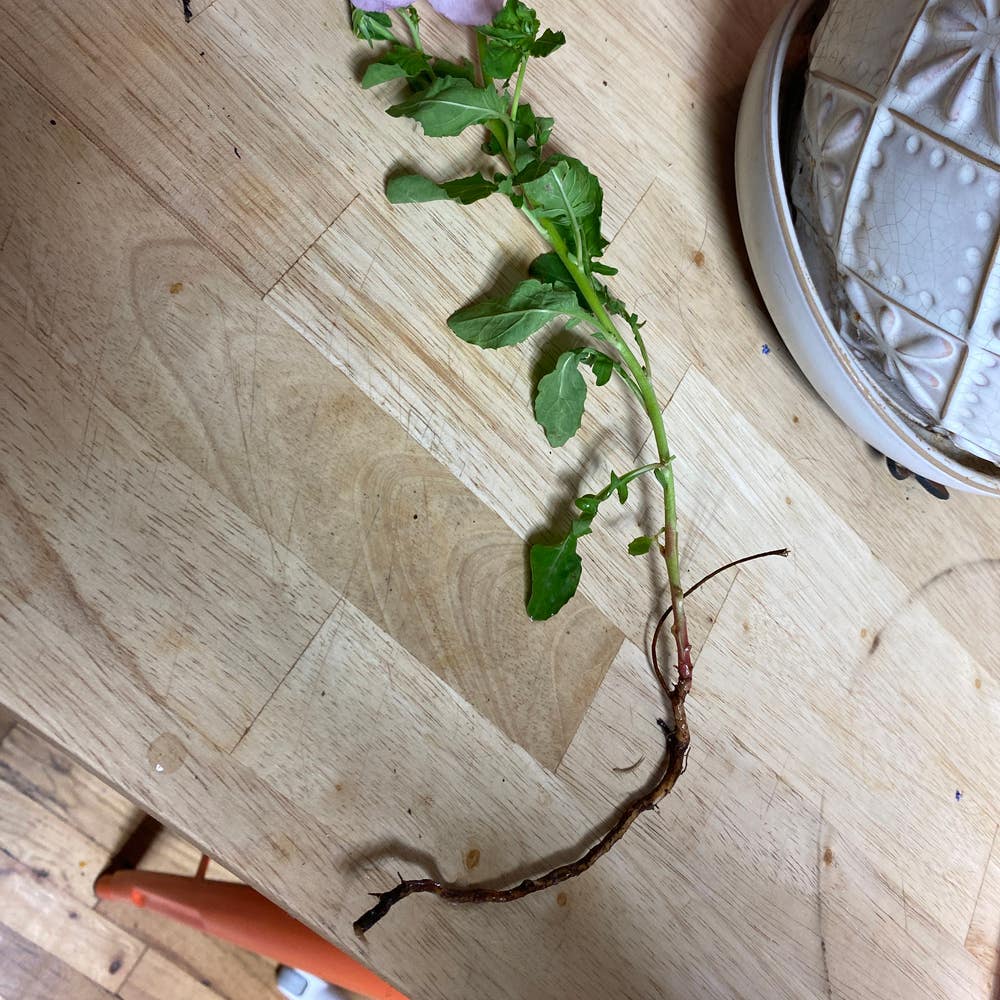
What It Means When Your Narrowleaf Evening Primrose Wilts 🌼
Oenothera fruticosa
By the Greg Editorial Team
Oct 19, 2024•6 min read
This article was created with the help of AI so we can cover more plants for you. May contain errors. See one? Report it here.
Rescue your wilting Narrowleaf Evening Primrose with these essential tips for diagnosis and recovery! 🌿
- 💧 Wilting often results from water stress, heat stress, or diseases affecting the plant.
- 🌡️ Heat stress shows as wilting during peak sun; provide shade to help.
- 🌱 Regularly check soil moisture and inspect leaves to prevent wilting issues.
Common Causes of Wilting Leaves
💧 Water Stress
Wilting in Narrowleaf Evening Primrose often starts with water stress. Look for drooping leaves, dry soil, and curling foliage as key symptoms.
Infrequent watering or overly dry conditions can lead to this issue. When the plant lacks water, it struggles to uptake nutrients and maintain turgor pressure, resulting in a droopy appearance.
🔥 Heat Stress
Heat stress is another common culprit behind wilting. Symptoms include wilting during peak sunlight hours and scorched leaf edges.
This stress occurs due to exposure to extreme temperatures or prolonged direct sunlight. If not addressed, it can lead to dehydration and hinder the plant's growth.
🦠 Disease-Related Wilting
Though rare, disease-related wilting can occur in Narrowleaf Evening Primrose. Symptoms to watch for include yellowing leaves and wilting despite adequate watering.
This type of wilting is typically linked to root rot or fungal infections. While unlikely, if left untreated, it can lead to severe plant decline.
Understanding these causes is crucial for effective plant care. Next, we’ll explore how to diagnose wilting in your Narrowleaf Evening Primrose.
Diagnosing Wilting
Step-by-Step Guide to Diagnose Wilting 🌱
Assess Soil Moisture
Start by checking the top 2 inches of soil for dryness. A moisture meter can provide accurate readings to help you gauge the plant's needs.Observe Environmental Conditions
Take note of the temperature and humidity levels around your Narrowleaf Evening Primrose. Recent weather changes, such as heat waves or drought, can significantly impact plant health.Inspect Leaves
Look closely for signs of discoloration or damage on the leaves. Additionally, check for pests or fungal growth that could be affecting the plant.Evaluate Watering Practices
Review your watering schedule and techniques. Consider whether the plant has been overwatered or underwatered, as both can lead to wilting.
Signs to Look For 👀
Leaf Symptoms: Watch for curling, browning edges, or drooping leaves. These are clear indicators that something is off.
Soil Symptoms: Look for a cracked surface, overly compacted soil, or soggy conditions. Each of these signs can point to different underlying issues.
By following these steps, you can effectively diagnose the cause of wilting in your Narrowleaf Evening Primrose. Understanding these symptoms will help you take the right actions to revive your plant and prevent future issues.
Solutions for Wilting Leaves
🌊 Actionable Advice for Water Stress
Watering Techniques
To combat water stress, ensure you're watering deeply. Aim for moisture to reach 6-8 inches deep in the soil.
Soil Amendments
Incorporate organic matter into your soil. This improves moisture retention, helping your Narrowleaf Evening Primrose thrive.
☀️ Actionable Advice for Heat Stress
Shade Solutions
During peak sun hours, provide temporary shade for your plant. This simple step can protect it from scorching heat.
Hydration Techniques
Increase your watering frequency during hot spells. Keeping the soil consistently moist will help prevent wilting.
🦠 Actionable Advice for Disease-Related Wilting
Treatment Options
If you suspect root rot, carefully remove the plant from its pot. Inspect the roots for any blackened or mushy areas.
Trim away any damaged roots and repot the plant in fresh, well-draining soil. This can significantly improve its chances of recovery.
By implementing these solutions, you can effectively address the wilting of your Narrowleaf Evening Primrose. Next, let’s explore preventive measures to minimize future wilting episodes.
Preventive Measures
Tips to Minimize Future Wilting Episodes 🌱
Regular Monitoring
Keep a close eye on your Narrowleaf Evening Primrose. Checking soil moisture levels weekly can help you catch any issues before they escalate.
Look for signs of stress, like drooping leaves or discoloration. Regular observation is key to maintaining a healthy plant.
Environmental Adjustments 🌞
Position your plant in a spot that gets optimal sunlight and airflow. This simple change can make a world of difference in preventing wilting.
Consider using mulch around the base of the plant. Mulch helps retain soil moisture, creating a more stable environment for your Evening Primrose.
By implementing these preventive measures, you can significantly reduce the chances of wilting. A little attention goes a long way in keeping your plant thriving.
Next, let’s explore effective techniques for reviving a wilted plant.
Reviving a Wilted Plant
🌊 Techniques for Bottom Watering
Bottom watering is a simple yet effective method to revive your wilted Narrowleaf Evening Primrose. Just place the pot in a basin of water for about 30 minutes, allowing the soil to soak up moisture from the bottom.
This technique not only hydrates the plant but also encourages deep root growth, reducing the risk of overwatering. It’s a win-win for both you and your plant!
🌳 Relocating the Plant Temporarily
If your plant is struggling in extreme heat, consider relocating it temporarily. Move it to a cooler, shaded area to help it recover from the stress.
After a few days, gradually reintroduce it to its original location. This gentle transition can make a significant difference in its overall health.
✂️ Pruning Damaged Leaves
Pruning is another essential step in reviving a wilted plant. Use clean, sharp pruning shears to remove any wilted or dead leaves.
Focus on cutting back to healthy tissue. This not only improves the plant's appearance but also promotes new growth, giving your Evening Primrose a fresh start.
Reviving a wilted plant can be a rewarding experience. With these techniques, you’ll be well on your way to restoring its vitality and ensuring it thrives in the future. Next, let’s explore when it’s time to seek expert help for your plant care challenges.
When to Seek Help
🌱 Signs That Indicate the Need for Expert Assistance
If your Narrowleaf Evening Primrose continues to wilt despite your best efforts, it may be time to seek help. Persistent wilting can signal deeper issues that require professional insight.
Look for signs of severe disease or pest infestation. Yellowing leaves, unusual spots, or visible pests can indicate that your plant needs expert intervention.
If you're unsure about proper care techniques, don’t hesitate to reach out. Sometimes, a fresh perspective can make all the difference in reviving your plant.
🏪 Resources for Local Nurseries and Online Communities
Local nurseries are fantastic resources for expert advice. They often have knowledgeable staff who can provide tailored guidance for your specific situation.
Online platforms also offer a wealth of community support. Websites and social media groups dedicated to plant care can connect you with fellow enthusiasts who share tips and experiences.
By leveraging these resources, you can gain valuable insights and strategies to help your Narrowleaf Evening Primrose thrive once again.
⚠️ Safety First
This content is for general information and may contain errors, omissions, or outdated details. It is not medical, veterinary advice, or an endorsement of therapeutic claims.
Always consult a qualified healthcare professional before using any plant as food, medicine, or supplement.
Never eat any plant (or feed one to pets) without confirming its identity with at least two trusted sources.
If you suspect poisoning, call Poison Control (800) 222-1222, the Pet Poison Helpline (800) 213-6680, or your local emergency service immediately.
Spotted an error? Please report it here.
Revive your Narrowleaf Evening Primrose from wilting woes with Greg's tailored watering alerts 🌿, ensuring your plant gets the care it needs to flourish in any condition!