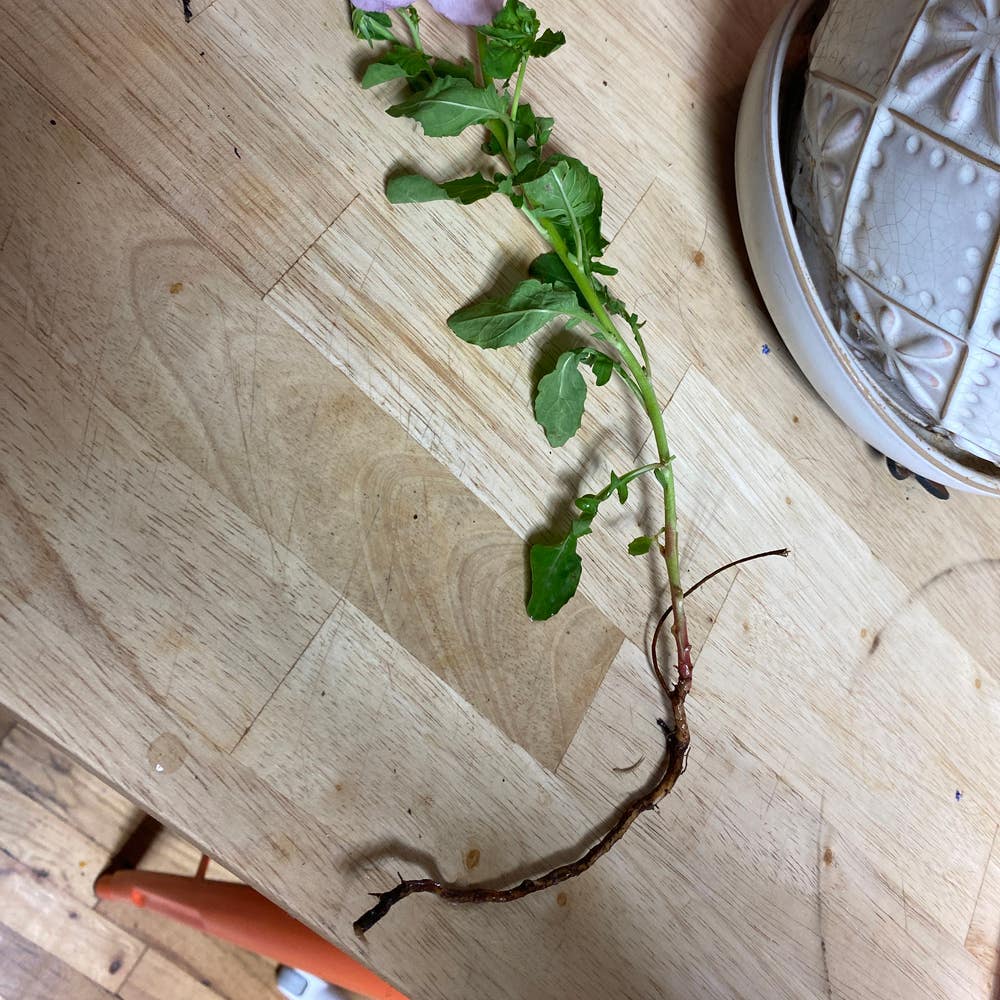
5 Key Aspects of Narrowleaf Evening Primrose Size
Oenothera fruticosa
By the Greg Editorial Team
Oct 19, 2024•4 min read
This article was created with the help of AI so we can cover more plants for you. May contain errors. See one? Report it here.
Elevate your garden with the versatile Narrowleaf Evening Primrose, thriving in diverse conditions for vibrant blooms! 🌼
- 🌱 Narrowleaf Evening Primrose grows 1-3 feet tall and 1-2 feet wide under optimal conditions.
- ☀️ Full sun and nutrient-rich soil are crucial for achieving maximum size.
- ✂️ Regular pruning promotes bushier growth and helps control height effectively.
Mature Height and Spread
Typical Dimensions 🌱
Narrowleaf evening primrose typically reaches a mature height ranging from 1 to 3 feet. Its spread usually spans about 1 to 2 feet, making it a versatile choice for various garden settings.
Factors Influencing Size 🌍
The size of this plant can vary significantly based on environmental conditions. Factors like soil quality, sunlight, and moisture levels play a crucial role in determining its mature dimensions.
In different growing environments, you might notice that plants thrive differently. For instance, those in nutrient-rich soils often grow taller and wider compared to their counterparts in less favorable conditions.
Understanding these influences can help you create the ideal setting for your narrowleaf evening primrose, ensuring it reaches its full potential.
With this knowledge, you can appreciate how adaptable this plant is, thriving in diverse habitats while still offering stunning blooms.
Next, let’s explore the growth rate and time to maturity of this remarkable plant.
Growth Rate and Time to Maturity
🚀 Rapid Growth Characteristics
Narrowleaf Evening Primrose is celebrated for its impressive growth rate. Under optimal conditions, it can reach full size within just one growing season, typically maturing in about 3 to 6 months.
🌱 Seasonal Growth Patterns
During spring and summer, you’ll notice vigorous growth spurts. However, as fall and winter approach, the plant slows down significantly, often entering a period of dormancy.
This seasonal rhythm is crucial for gardeners to understand, as it helps in planning care and maintenance. Knowing when your plant will thrive allows you to provide the best conditions for its growth.
In summary, the Narrowleaf Evening Primrose is not only fast-growing but also responsive to seasonal changes, making it a dynamic addition to any garden. Next, let’s explore how various environmental factors can influence its size and overall health.
Size Variability Based on Conditions
🌍 Environmental Influences
The size of Narrowleaf Evening Primrose can vary significantly based on environmental factors. Nutrient-rich soils are a game changer, promoting larger growth and healthier plants.
Sunlight exposure also plays a crucial role. When these plants bask in full sun, they tend to reach their optimal size, thriving and flourishing.
Consistent watering practices are equally important. Keeping the soil moist supports robust growth, allowing the plants to reach their full potential.
🏞️ Impact of Native Habitat
Narrowleaf Evening Primrose is quite adaptable, thriving in various soil types. This adaptability affects overall dimensions, making it a versatile choice for different garden settings.
Interestingly, size differences are often observed between wild specimens and cultivated ones. Wild plants may exhibit more variability due to natural selection, while cultivated varieties are often bred for specific traits, leading to more uniform sizes.
Understanding these factors can help gardeners optimize conditions for their Narrowleaf Evening Primrose, ensuring vibrant and healthy plants.
As we explore the next section, let’s dive into the fascinating world of dwarf and giant varieties of this remarkable plant.
Dwarf and Giant Varieties
Dwarf Varieties 🌱
Dwarf cultivars of Narrowleaf Evening Primrose typically stand under 1 foot in height. These compact plants are perfect for smaller gardens or container planting, allowing you to enjoy their vibrant blooms without overwhelming your space.
Giant Varieties 🌳
On the other end of the spectrum, giant varieties can exceed 3 feet in height. These impressive specimens create a dramatic presence in any garden, making them ideal for those looking to make a bold statement with their landscaping.
Dwarf and giant varieties offer unique options for gardeners, catering to different aesthetic preferences and spatial constraints. Whether you're looking to fill a small nook or make a grand display, there's a Narrowleaf Evening Primrose that fits your vision.
As we explore the next section, we'll delve into pruning techniques that can help you manage the size of these stunning plants effectively.
Pruning Techniques for Size Control
Importance of Pruning 🌱
Pruning is essential for managing the size of Narrowleaf Evening Primrose. It not only helps control plant dimensions but also encourages bushier growth, making your garden more vibrant.
Recommended Pruning Methods ✂️
Timing: Aim to prune in early spring, just before new growth begins. This timing ensures the plant can recover quickly and thrive.
Techniques:
- Pinching Back: Remove the tips of stems to promote branching. This simple technique can lead to a fuller appearance.
- Cutting Back: Trim the plant back to 6-12 inches to effectively control height. This method is particularly useful for larger specimens.
Frequency: Prune every growing season to maintain your desired size. Regular attention will keep your plants looking their best.
By incorporating these pruning techniques, you can enjoy a well-maintained Narrowleaf Evening Primrose that enhances your garden's aesthetic. As you refine your approach, you'll find the perfect balance for your space, leading to a thriving, beautiful display.
Next, let’s explore the fascinating world of dwarf and giant varieties of Narrowleaf Evening Primrose.
⚠️ Safety First
This content is for general information and may contain errors, omissions, or outdated details. It is not medical, veterinary advice, or an endorsement of therapeutic claims.
Always consult a qualified healthcare professional before using any plant as food, medicine, or supplement.
Never eat any plant (or feed one to pets) without confirming its identity with at least two trusted sources.
If you suspect poisoning, call Poison Control (800) 222-1222, the Pet Poison Helpline (800) 213-6680, or your local emergency service immediately.
Spotted an error? Please report it here.
Unlock the vibrant growth 🌼 of your Narrowleaf Evening Primrose with Greg's personalized watering reminders and expert care tips to help your plants flourish!