10 Perfect Pot Styles for Narrowleaf Evening Primrose 🪴
Oenothera fruticosa
By the Greg Editorial Team
Oct 19, 2024•5 min read
This article was created with the help of AI so we can cover more plants for you. May contain errors. See one? Report it here.
Master pot sizes for your Narrowleaf Evening Primrose 🌱 to ensure vibrant growth at every stage of life!
- 🌱 Choose pot sizes wisely: 4-6 inches for seedlings, 12-16 inches for mature plants.
- 🕳️ Ensure proper drainage: 2-3 holes for small pots, 4-6 for larger ones.
- 🌍 Select eco-friendly options: Biodegradable pots enrich soil while supporting seedlings.
Pot Sizes for Different Growth Stages
🌱 Importance of Pot Size
Choosing the right pot size is crucial for the healthy growth of Narrowleaf Evening Primrose. Each growth stage requires specific container dimensions to support optimal root development and overall plant health.
🌿 Seedling Stage
For seedlings, a container size of 4-6 inches in diameter is recommended. Smaller pots help establish strong root systems, allowing the plants to absorb nutrients effectively.
🌳 Young Plant Stage
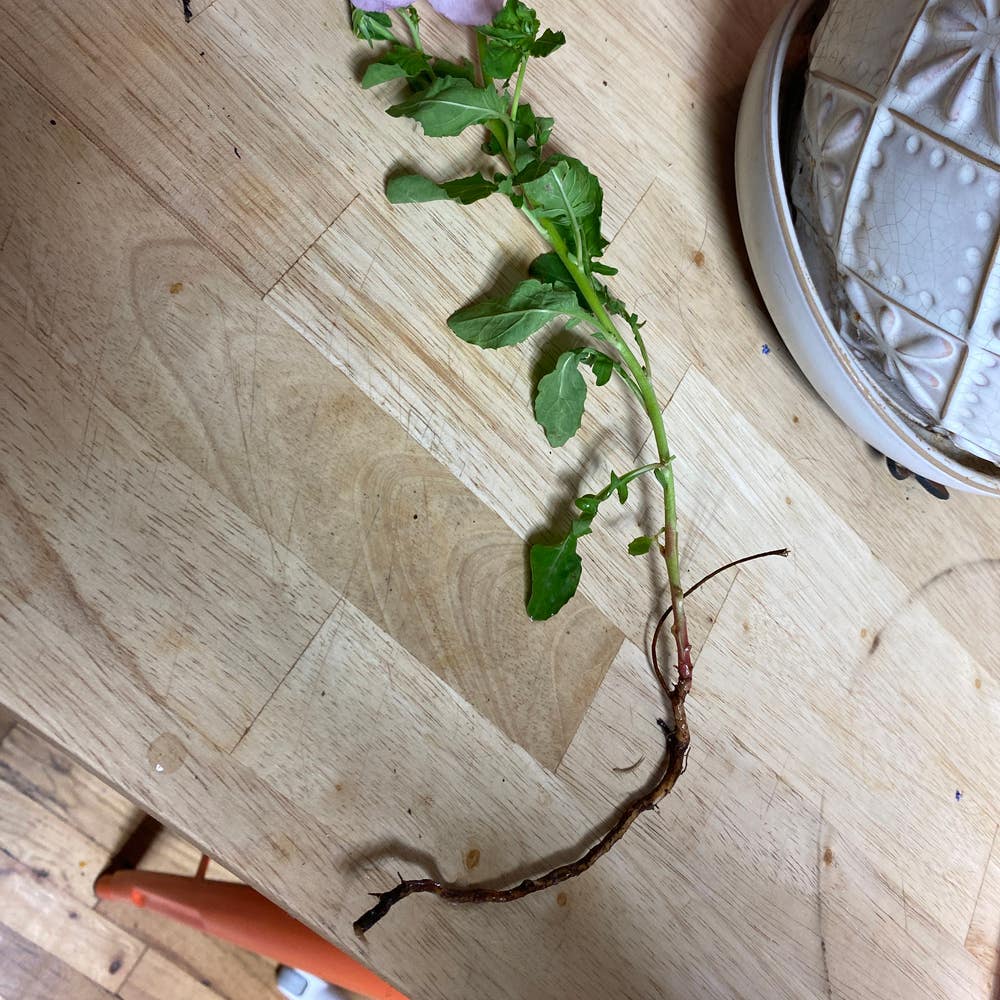
As the plants transition to the young stage, they need a pot size of 8-10 inches in diameter. This size provides adequate space for taproot growth, which is essential for stability and nutrient uptake.
🌼 Mature Plant Stage
When your plants reach maturity, opt for a pot size of 12-16 inches in diameter. Larger pots not only enhance stability but also ensure that the plants have access to sufficient nutrients and water.
📏 General Guidelines for Pot Size Selection
A simple rule of thumb is to increase the pot size by 2 inches in diameter for each growth stage. This approach helps maintain a balance between root growth and pot space, ensuring your Narrowleaf Evening Primrose thrives at every stage.
With the right pot sizes in place, your plants will be well-equipped to flourish. Next, let’s explore the ideal pot materials that can further enhance their growth.
Ideal Pot Materials
Choosing the right pot material is crucial for the health of your Narrowleaf Evening Primrose. Each option has its unique benefits and drawbacks, impacting your plant's growth and care.
🏺 Clay Pots
Clay pots are a popular choice due to their breathability and moisture regulation. They allow air to circulate through the walls, promoting healthy root development.
However, they come with some downsides. Clay pots are heavier, making them less portable, and they can crack in freezing temperatures, which is something to consider if you live in a colder climate.
🪴 Plastic Pots
Plastic pots are lightweight and versatile, making them easy to move around your garden or patio. They are often less expensive than other materials, which is a plus for budget-conscious gardeners.
On the flip side, plastic pots are less breathable. They can retain heat, which might not be ideal for all plants, especially in warmer climates.
🌱 Other Material Options
Ceramic pots offer aesthetic appeal and good moisture retention, making them a stylish choice for indoor settings. They can elevate your plant's look while providing a stable environment.
Biodegradable pots are eco-friendly options, particularly great for seedlings. They break down over time, enriching the soil and reducing waste.
💭 Final Thoughts on Pot Materials
Selecting the right pot material can significantly impact your plant's growth and overall health. Consider your environment and the specific needs of your Narrowleaf Evening Primrose when making your choice.
As you move forward, remember that the right pot is just one piece of the puzzle. Next, we’ll dive into drainage considerations, ensuring your plants thrive in their new homes.
Drainage Considerations
Importance of Drainage Holes 🌊
Drainage holes are essential for preventing waterlogging in your pots. They allow excess water to escape, ensuring that your Narrowleaf Evening Primrose roots stay healthy and oxygenated.
For optimal drainage, the number of holes should correspond to the pot size. Small pots should have at least 2-3 holes, while larger pots benefit from 4-6 holes.
Effects of Poor Drainage 🚫
Poor drainage can lead to serious issues for your plants. Symptoms of overwatering include yellowing leaves and wilting, which can be alarming.
Long-term, inadequate drainage can result in root rot and even plant death. Regularly monitoring soil moisture levels is crucial to avoid these problems.
Best Practices for Ensuring Proper Drainage ✅
To promote good drainage, use a potting mix that includes ingredients like perlite, sand, and peat moss. These components help create a well-aerated environment for your plants.
Adding a drainage layer can further enhance drainage. Materials such as gravel or broken pottery placed at the bottom of the pot can help prevent soil from clogging the holes.
Finally, make it a habit to regularly check and clean your drainage holes. This simple step can make a significant difference in maintaining healthy plants.
With these drainage considerations in mind, you can ensure your Narrowleaf Evening Primrose thrives. Next, let’s explore the best practices for repotting your plants to keep them growing strong.
Repotting Guidelines
When to Repot 🌱
Repotting is essential for the health of your Narrowleaf Evening Primrose. Aim to repot every 1-2 years, ideally in early spring before new growth kicks in.
Signs Indicating the Need for Repotting 🚨
Keep an eye out for key indicators that your plant needs a new home. If you notice roots growing out of drainage holes, soil drying out too quickly, or stunted growth despite proper care, it’s time to repot.
Steps for Choosing the Right Pot During Repotting 🪴
Choosing the right pot can make all the difference. Follow these steps for a successful repotting experience:
- Assess current pot size and root system: Check if your plant has outgrown its pot.
- Select a new pot that is 2 inches larger in diameter: This ensures enough space for growth.
- Ensure the new pot has adequate drainage holes: Proper drainage is crucial for plant health.
- Choose appropriate material based on environmental conditions: Consider factors like weight and moisture retention.
By following these guidelines, you’ll help your Narrowleaf Evening Primrose thrive in its new environment. Next, let’s explore the ideal pot materials to enhance your plant’s growth further.
⚠️ Safety First
This content is for general information and may contain errors, omissions, or outdated details. It is not medical, veterinary advice, or an endorsement of therapeutic claims.
Always consult a qualified healthcare professional before using any plant as food, medicine, or supplement.
Never eat any plant (or feed one to pets) without confirming its identity with at least two trusted sources.
If you suspect poisoning, call Poison Control (800) 222-1222, the Pet Poison Helpline (800) 213-6680, or your local emergency service immediately.
Spotted an error? Please report it here.
Ensure your Narrowleaf Evening Primrose thrives by choosing the right pot size and material, and let Greg guide you with personalized care tips 🌿 that make potting a breeze!