How Do I Fix Sundrops Root Rot?
Oenothera fruticosa
By the Greg Editorial Team
Mar 20, 2024•4 min read
This article was created with the help of AI so we can cover more plants for you. May contain errors. See one? Report it here.
Rescue your wilting Sundrops 🌞 from root rot's clutches with our life-saving plant care tips!
- Yellow leaves and wilting signal potential root rot in Sundrops.
- Prune rotten roots and use well-draining soil for recovery.
- Balance watering and adjust seasonally to prevent future rot.
Spotting the Red Flags: Early Signs of Root Rot in Sundrops
💛 Yellowing Leaves and Wilting
Yellowing leaves and a wilting posture in your Sundrops aren't just signs of neglect; they're distress signals. These visual cues are the plant's way of waving a white flag. If your Sundrops' leaves are more yellow than a school bus, it's time to investigate.
🍄 Mushy Roots
The roots of your Sundrops should be firm, not reminiscent of a squishy stress ball. Mushy roots are the hallmark of root rot, and they demand immediate attention. If the roots feel like they've been soaking in a bath for too long, you're dealing with more than just overwatering.
🚫 Stunted Growth
When your Sundrops stop growing, it's not just taking a break. Stunted growth is a silent alarm that something's amiss underground. If your plant's growth has hit a wall, it's time to roll up your sleeves and play plant detective.
👃 The Smell Test
Don't ignore your nose; a foul odor from the soil is like a bad review for your plant's living conditions. If your Sundrops' pot smells like it's fermenting, that's a tell-tale sign of root rot.
🚨 Overall Plant Decline
If your plant looks more like it's dressed for a funeral than a garden party, it's a clear cry for help. Wilting, yellowing leaves, and a general vibe of despair are your Sundrops' way of signaling an SOS. It's time to get to the root of the problem—literally.
The Rescue Operation: Treating Root Rot in Sundrops
🌡️ Assessing the Damage: How to Check Your Sundrops' Roots
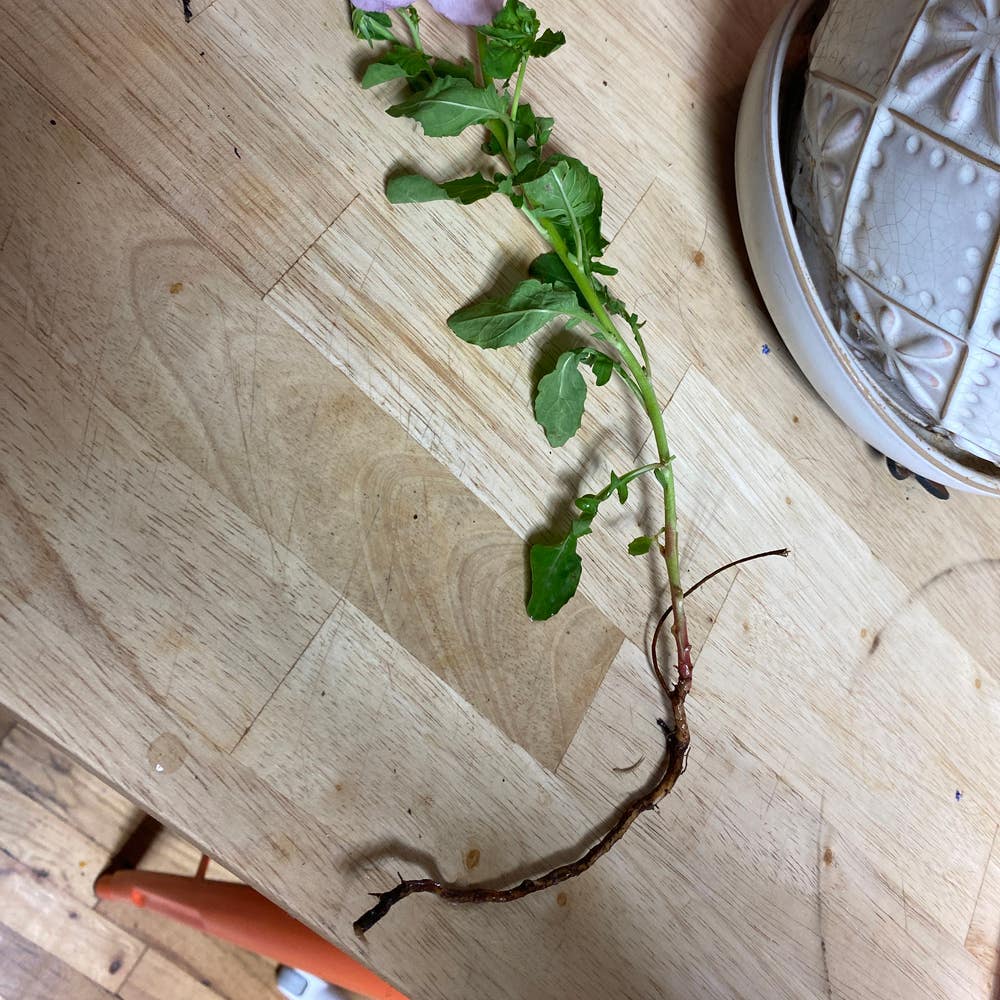
First things first, yank your Sundrops out of their pot with a sense of purpose. Healthy roots are firm and white, so if you're seeing anything mushy or discolored, it's time to play plant surgeon. Sterilize those shears because we're going in.
🪓 Pruning for Survival: Cutting Away the Rot to Save the Plant
Snip away the rotten parts without a hint of mercy. This isn't a haircut; it's a rescue mission. Remember, only the strong (roots) survive. If you're left with a shadow of a root system, don't panic—Sundrops are fighters.
💧 Soil and Water Makeover: Revamping Your Care Routine
Toss that soggy, contaminated soil like last year's fashion. Get yourself a fresh, well-draining mix and a pot that believes in personal space for roots. Watering is now a privilege, not a right—make those Sundrops earn it with dry, thirsty soil.
🛡️ Fungicide to the Rescue: When and How to Use It
After the amputation, it's time for the fungicide. Don't go wild—this isn't a sauce, it's a shield. Apply with precision, following the label to the letter. Remember, the goal is to protect, not to pickle your plant in chemicals.
Prevention is Key: Keeping Root Rot at Bay
💧 Watering Wisdom: Finding the Sweet Spot for Moisture
Balanced watering is your Sundrops' best friend. Check the soil's top inch; if it's dry, it's time for a drink. If not, put that watering can down. Overwatering is like giving your plant a bath with its socks on – uncomfortable and unnecessary.
🏺 The Right Home: Choosing Pots and Soil That Keep Roots Happy
Selecting the right pot isn't rocket science, but it's close. Drainage holes are non-negotiable. Pair them with a well-draining soil mix that's as airy as a cloud. Your Sundrops' roots need room to breathe, not swim.
🌦 Seasonal Adjustments: Tweaking Care with the Weather
Your Sundrops' thirst changes with the seasons. In the summer heat, they'll drink up like a tourist in the desert. Come winter, they're more like a hibernating bear. Adjust your watering accordingly, and you'll keep root rot at bay like a pro.
⚠️ Safety First
This content is for general information and may contain errors, omissions, or outdated details. It is not medical, veterinary advice, or an endorsement of therapeutic claims.
Always consult a qualified healthcare professional before using any plant as food, medicine, or supplement.
Never eat any plant (or feed one to pets) without confirming its identity with at least two trusted sources.
If you suspect poisoning, call Poison Control (800) 222-1222, the Pet Poison Helpline (800) 213-6680, or your local emergency service immediately.
Spotted an error? Please report it here.
Combat Sundrops root rot by spotting early distress signals and pruning wisely; Greg 🛡️ will arm you with a custom watering plan to keep the roots robust and healthy.