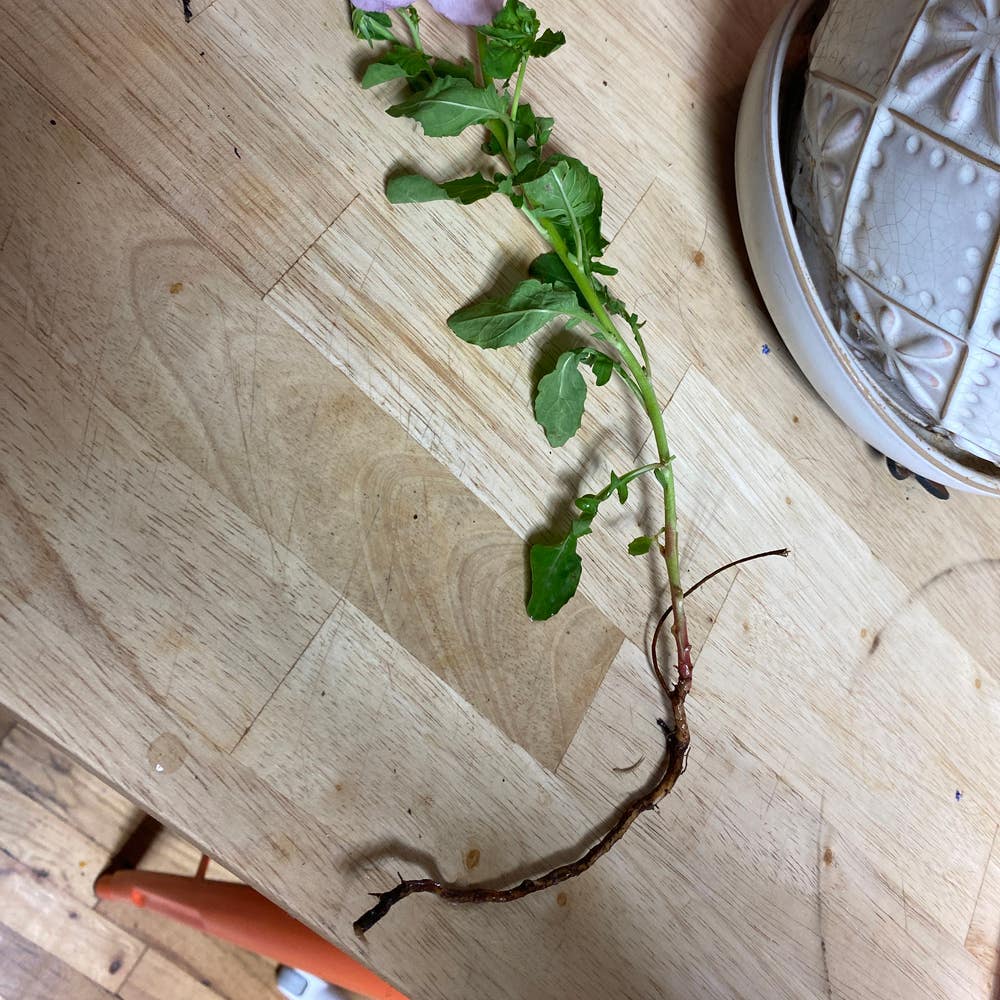
Propagating My Sundrops: Step-by-Step Guide
Oenothera fruticosa
By the Greg Editorial Team
Mar 20, 2024•5 min read
This article was created with the help of AI so we can cover more plants for you. May contain errors. See one? Report it here.
Propagate Sundrops 🌞 easily with this step-by-step guide and watch your garden glow!
- Spring division with sharp tools ensures healthy propagation and disease prevention.
- Patience with stem cuttings: Roots take time but lead to cloned favorites.
- Blooms within 1-2 years: Post-propagation care is crucial for timely flowering.
Choosing Your Propagation Adventure
🌱 Division: Multiplying with Mature Plants
Spring heralds the optimal time for division, but if your Sundrops look cramped, don't hesitate to divide in other seasons. Sharp tools are essential; a clean spade or knife prevents disease transmission.
Tools of the Trade
For a smooth division, you'll need:
- A sharp, sterilized spade or knife.
- Pots or a prepped garden area for the new plants.
- A sense of adventure – you're about to get dirty.
🌿 Stem Cuttings: Cloning Your Favorites
Select healthy stems for cuttings and prepare a moist, well-draining soil mix. Patience is key; roots take time to develop.
Rooting Your Future Sundrops
To ensure success:
- Use a soil mix that balances moisture retention with drainage.
- Maintain consistent moisture without waterlogging.
- Celebrate when you spot new growth – it's a victory!
🌻 From Tiny Seeds to Blooming Beauties
Harvest seeds from mature plants, looking for plump and shiny ones. Sow on the surface of a well-draining soil mix, and mimic a light snowfall with a dusting of soil.
Germination to Growth
For seed-propagated Sundrops, remember:
- Warmth and moisture are your seeds' best friends.
- Balance is crucial; too much water is as bad as too little.
- Transplant seedlings when they boast 4-6 true leaves – it's their rite of passage.
Post-Propagation Care: The First Steps of New Sundrops
💡 Soil and Light: The Foundation for Growth
Soil is not just dirt; it's the life support system for your Sundrops. Use a well-draining mix to avoid waterlogged roots, which are about as good for plants as water in your gas tank is for your car.
Light is the next piece of the puzzle. Bright, indirect light is your goal, akin to a spotlight on a stage, not a laser beam. It's the difference between a healthy glow and a sunburn.
🚰 Water and Temperature: The Balancing Act
Water your Sundrops like you're texting an ex; with consistent care but not too much attention. The soil should feel like a damp sponge—moist but not soggy.
Temperature should be as stable as your favorite pub's happy hour. Aim for a cozy 65-75 degrees Fahrenheit (18-24°C), which is comfortable for both you and your plants.
💨 Humidity: The Invisible Embrace
Humidity can be the unseen hero or the silent killer. Keep it around 60% or higher if you can, like the air in a tropical paradise. Use a humidifier or mist regularly to maintain this mini ecosystem.
👶 Early Growth: Signs of Success
Watch for new growth; it's the first sign that your Sundrops are thriving. It's like seeing your kid's first steps—pure magic. Keep an eye out for pests or diseases; early detection means you can nip problems in the bud before they bloom into disasters.
Overcoming Propagation Pitfalls
🦠 Identifying and Solving Common Issues
Root rot is a silent killer in the propagation game. If your plant's roots are more mush than firm, it's time to act. Trim the affected parts and let the roots dry before repotting in well-draining soil. Damping off is another stealthy seedling slayer; it's all about moisture control. Keep the soil damp, not soggy, and provide gentle warmth.
🍄 Fungal Foes
Fungal infections are like that one guest who overstays their welcome. Promote good airflow and have a fungicide on standby. Powdery mildew and gray mold love to crash the propagation party, so keep things airy and not too humid.
💡 Prevention is better than cure
To avoid the heartache of propagation pitfalls, remember: less is more when it comes to watering. Ensure your pots have drainage holes to avoid waterlogged soil. Be patient; roots take time to develop. And cleanliness? Non-negotiable. Keep your tools and pots sterilized to ward off bacterial and fungal invaders.
👀 Monitoring Progress
Keep a close eye on your young plants. Slow growth or yellowing leaves can signal a need for a nutrient boost or better lighting. Catching issues early is key to preventing a full-blown propagation catastrophe.
Watching Your Sundrops Grow: What to Expect After Propagation
🌱 The Realistic Timeline
After the excitement of propagation, it's time to buckle up for the growth journey. Patience is key. Your Sundrops won't sprint to maturity; they're in it for the marathon. From tiny sprouts to full-blown beauties, expect a timeline that spans several weeks to months. Initially, the focus is on establishing a robust root system, followed by the development of foliage. Remember, they grow at their own pace, influenced by factors like light, water, and temperature.
🎉 Celebrating Growth Milestones
Once your Sundrops have settled into their new home, growth will become more visible. Typically, you can expect to see your Sundrops reach their mature height of 2 to 5 feet within a growing season, given optimal conditions. The width will follow suit, filling out to a lush 2 to 3 feet. Keep an eye out for the first signs of budding; this is the prelude to the floral show you've been waiting for.
🌸 When to Expect Blooms
Blooms are the crowning glory of your propagation efforts. For Sundrops, flowering typically occurs in the first or second year after propagation. The exact timing can vary based on the method used—seeds might take a bit longer, while divisions could reward you with blooms the same year if done early in the season. Monitor growth and adjust care as needed to encourage healthy blooms. And when those first flowers unfurl, take a moment to bask in the success of your green-thumbed endeavors.
⚠️ Safety First
This content is for general information and may contain errors, omissions, or outdated details. It is not medical, veterinary advice, or an endorsement of therapeutic claims.
Always consult a qualified healthcare professional before using any plant as food, medicine, or supplement.
Never eat any plant (or feed one to pets) without confirming its identity with at least two trusted sources.
If you suspect poisoning, call Poison Control (800) 222-1222, the Pet Poison Helpline (800) 213-6680, or your local emergency service immediately.
Spotted an error? Please report it here.
Nurture your Sundrops from seed to bloom 🌼 with Greg's personalized care plans, ensuring optimal growth conditions and timely reminders for each propagation stage.