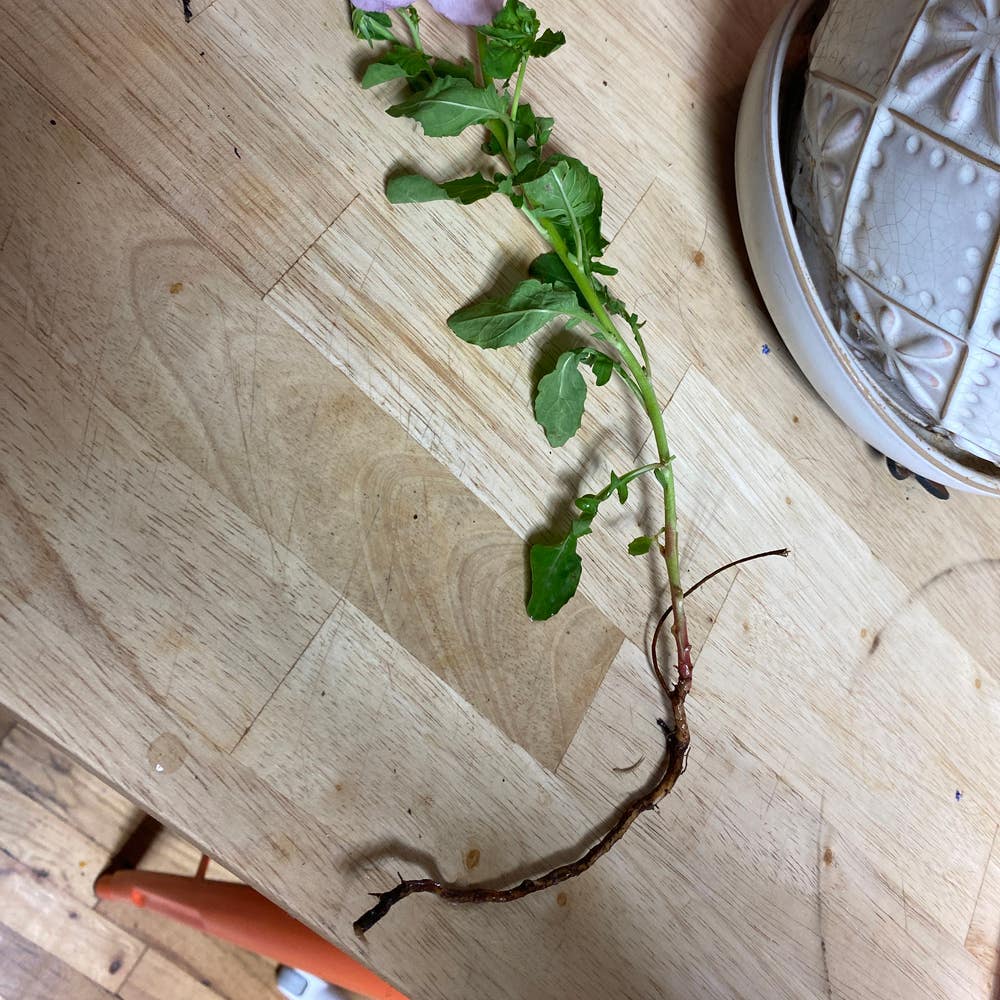
☀️ Sundrops Is a Perennial
Oenothera fruticosa
By the Greg Editorial Team
Sep 30, 2024•7 min read
This article was created with the help of AI so we can cover more plants for you. May contain errors. See one? Report it here.
Unlock a vibrant, low-maintenance garden with resilient Sundrops that thrive in any climate! 🌼🌱
- 🌼 Sundrops are resilient perennials, thriving for 3 to 5 years with minimal care.
- 🌱 They bloom vibrant yellow flowers in late spring, attracting essential pollinators.
- 🌍 Understanding their seasonal needs ensures optimal growth and garden health year-round.
Characteristics of Sundrops as a Perennial
Multi-Year Lifecycle 🌱
Sundrops exhibit a fascinating multi-year lifecycle that unfolds in distinct stages: germination, growth, flowering, and dormancy. Each phase plays a crucial role in the plant's overall health and longevity.
During germination, seeds sprout and establish their initial roots. As they grow, Sundrops develop lush foliage and vibrant flowers, typically peaking in late spring to early summer. After this blooming period, the plant prepares for dormancy, a natural phase where it conserves energy and resources.
Timeline of Growth 📅
Understanding the seasonal progression of Sundrops helps gardeners anticipate their needs.
- Spring: New growth emerges, signaling the end of dormancy.
- Summer: The plant reaches its peak, showcasing bright yellow flowers that attract pollinators.
- Fall: Sundrops begin to prepare for dormancy, with foliage transitioning in color and vitality.
- Winter: The above-ground parts die back, but the robust root system remains alive, ready for the next cycle.
Growth Patterns and Resilience 💪
Sundrops are known for their resilient growth patterns, largely due to their established root systems. These roots anchor the plant and enable it to thrive even in challenging conditions.
The root system plays a vital role in nutrient uptake, allowing Sundrops to access essential minerals and water from the soil. Healthy growth patterns can be identified by vibrant foliage and abundant flowering, indicating that the plant is thriving.
In summary, Sundrops' lifecycle and growth patterns highlight their resilience and adaptability. This makes them a fantastic choice for gardeners looking for low-maintenance, perennial beauty. As we explore seasonal changes and dormancy next, we’ll see how these factors further enhance the appeal of Sundrops in any garden.
Seasonal Changes and Dormancy
🌱 Dormancy Periods
Dormancy in Sundrops is a natural phase where the plant conserves energy and resources. During this time, it may appear lifeless, but its root system remains active underground.
Typically, Sundrops enter dormancy in late fall as temperatures drop. This period can last until early spring, allowing the plant to survive harsh conditions.
🌼 Seasonal Changes
🌸 Spring: Emergence of New Growth and Flowering
As spring arrives, Sundrops burst back to life. Fresh green shoots emerge, signaling the start of a vibrant growth cycle.
☀️ Summer: Peak Blooming Season and Pollinator Attraction
Summer is when Sundrops truly shine. The plant showcases its bright yellow flowers, attracting bees and butterflies, which are essential for pollination.
🍂 Fall: Preparation for Dormancy and Foliage Changes
In the fall, Sundrops begin to prepare for dormancy. Leaves may change color and die back, signaling the plant's transition.
❄️ Winter: Foliage Dieback and Root System Survival
During winter, the above-ground foliage dies back completely. However, the root system remains intact, ensuring the plant's survival until spring returns.
Understanding these seasonal changes helps gardeners appreciate the resilience of Sundrops. This knowledge also aids in planning for their care throughout the year.
Advantages for Gardeners
🌼 Benefits of Perennial Nature
Sundrops offer significant advantages for gardeners, primarily through their perennial nature. This means reduced replanting needs, allowing you to invest in your garden design for the long haul.
Established root systems play a crucial role in enhancing soil health and stability. They not only anchor the plant but also improve the overall structure of the soil, making it more resilient.
🌱 Root System Advantages
One of the standout features of Sundrops is their established roots, which significantly improve drought resistance. These roots tap deep into the soil, accessing moisture that surface-level plants might miss.
Additionally, the roots contribute to nutrient cycling and enhance soil structure. They create a network that supports beneficial microorganisms, enriching the garden ecosystem.
Incorporating Sundrops into your garden not only beautifies your space but also fosters a healthier environment. With their resilience and low maintenance, they are a smart choice for any gardener looking to create a sustainable landscape.
As we explore the lifespan and longevity factors of Sundrops, you'll discover how to ensure these vibrant plants thrive for years to come.
Lifespan and Longevity Factors
🌱 Expected Lifespan
Sundrops can thrive for several years, often reaching an average lifespan of 3 to 5 years. This longevity makes them a reliable choice for gardeners seeking enduring beauty.
When compared to other perennial plants, Sundrops hold their own. Many perennials may only last a few years, while Sundrops consistently return, offering vibrant blooms season after season.
🌍 Influencing Factors
Soil quality plays a crucial role in the health of Sundrops. Well-drained soil is essential; it prevents root rot and encourages robust growth.
Watering practices also significantly impact their lifespan. Consistent moisture levels, without waterlogging, help Sundrops flourish and maintain their vibrant foliage.
Climate conditions are another key factor. Temperature fluctuations and weather patterns can affect growth, with extreme conditions potentially shortening their lifespan.
By ensuring optimal soil, watering, and climate conditions, you can help Sundrops thrive for years to come. This attention to detail not only enhances their longevity but also enriches your garden's overall health and beauty.
As we explore the variations of Sundrops across different climate zones, you'll discover how adaptable these plants truly are.
Variations Across Climate Zones
🌍 Behavior in Different Climates
Sundrops are remarkably adaptable, thriving across various USDA hardiness zones. Their resilience allows them to flourish in diverse climates, from the chilly northern regions to warmer southern areas.
Growth patterns can vary significantly based on temperature and precipitation. In wetter climates, Sundrops may grow more vigorously, while in drier regions, they develop deeper roots to seek moisture.
🌱 Adaptations to Growing Conditions
Sundrops exhibit a preference for well-drained soils, but they can adapt to different soil types. This flexibility helps them thrive in sandy, loamy, or even clay soils, making them a versatile choice for many gardeners.
Local flora and fauna also play a role in Sundrops' growth. The presence of pollinators and neighboring plants can enhance their blooming and overall health, creating a vibrant ecosystem in your garden.
Understanding these variations can help you maximize the benefits of Sundrops in your garden planning. By recognizing how they adapt to different climates and conditions, you can ensure they thrive beautifully in your landscape.
Maximizing Benefits in Garden Planning
🌼 Incorporating Sundrops in Design
When planning your garden, consider the ideal planting locations for Sundrops. They thrive in full sun, so aim for spots that receive at least six hours of sunlight daily.
Spacing is also crucial; plant Sundrops about 12 to 18 inches apart to allow for their natural spread and to promote good air circulation.
Companion Planting
Pairing Sundrops with the right plants can enhance your garden's beauty and health. Consider companions like lavender or salvia, which attract pollinators and complement the vibrant yellow blooms of Sundrops.
These combinations not only create a visually appealing landscape but also support a thriving ecosystem in your garden.
🌱 Long-Term Cultivation Strategies
Maintaining Sundrops is relatively straightforward, making them a gardener's favorite. Minimal care is required once they are established, but regular watering during dry spells can promote robust growth.
Seasonal Care Tips
Preparing Sundrops for seasonal changes is essential for their longevity. In spring, clear away any debris to encourage new growth.
During fall, trim back the foliage to help the plant conserve energy as it prepares for dormancy.
Planning for Expansion
To encourage natural spreading, consider the rhizomes of Sundrops. These underground stems allow the plant to expand its reach over time.
You can also divide clumps every few years to promote healthier growth and fill in bare spots in your garden.
By incorporating these strategies, you can maximize the benefits of Sundrops in your garden, ensuring a vibrant and resilient landscape for years to come.
Next, we’ll explore the expected lifespan of Sundrops and the factors that influence their longevity.
⚠️ Safety First
This content is for general information and may contain errors, omissions, or outdated details. It is not medical, veterinary advice, or an endorsement of therapeutic claims.
Always consult a qualified healthcare professional before using any plant as food, medicine, or supplement.
Never eat any plant (or feed one to pets) without confirming its identity with at least two trusted sources.
If you suspect poisoning, call Poison Control (800) 222-1222, the Pet Poison Helpline (800) 213-6680, or your local emergency service immediately.
Spotted an error? Please report it here.
Sundrops are vibrant perennials 🌼 that thrive with minimal care, and Greg can help you succeed by providing tailored reminders and tips to keep them blooming beautifully every season!