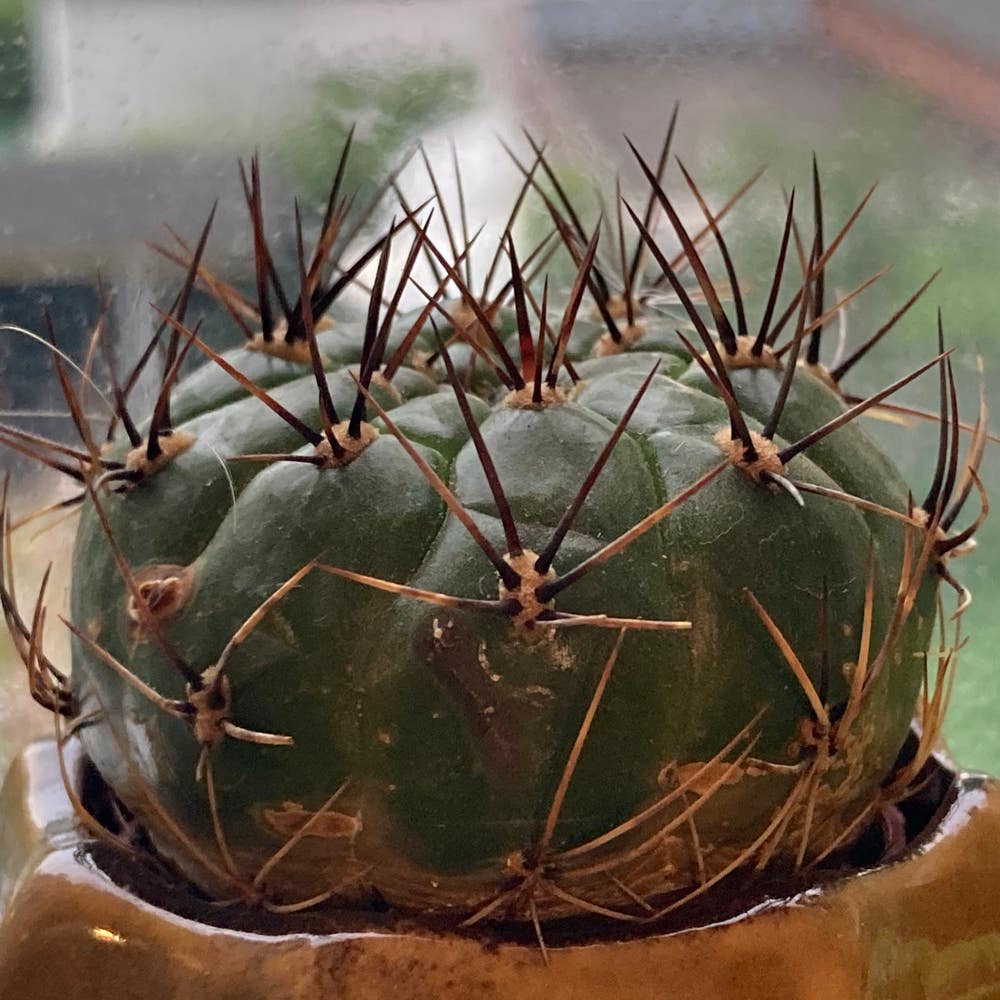
Why Are My Submatucana aureiflora Leaves Turning Yellow?
Matucana aureiflora
By the Greg Editorial Team
Apr 09, 2024•5 min read
This article was created with the help of AI so we can cover more plants for you. May contain errors. See one? Report it here.
Solve the yellow-leaf puzzle 🍂 of your Submatucana aureiflora and reclaim its lush vibrance.
- 🌱 Yellow leaves signal water, light, or nutrient issues; check for root health.
- Balance light and temperature to prevent sunburn and stress-induced yellowing.
- Adjust watering and fertilization based on plant feedback and seasonal changes.
Spotting the Trouble: Identifying Yellow Leaves
🚨 Decoding the Yellow
Yellow leaves on your Submatucana aureiflora aren't just a color swap—they're warning flags. Varied shades and patterns tell a story. Uniform yellowing could be a cry for water or nutrients, while spotty patterns often hint at pests or disease.
🚩 Other Signs to Watch For
Yellow isn't the only hue on the distress spectrum. Leaf drop or stunted growth can accompany the yellowing, pointing to more complex issues. Crispy edges? Your plant might be feeling the heat. New growth turning yellow is an urgent call to action—don't ignore it.
🔍 Inspecting the Leaves
Flip every leaf; the underside might reveal secrets. The location of yellowing matters—edges might suggest environmental stress, while spots on new growth could mean disease. Consistency in pattern and severity is key; a plant that's more yellow than green needs immediate attention.
Look Beyond Color
Yellow leaves often come with friends like wilting or brown spots. These can provide additional clues to the underlying issue. Mushy yellow spots? Overwatering or fungus could be the culprits. A rapid change in leaf color, especially in new growth, is your signal to dive into detective mode.
The Usual Suspects: Common Causes of Yellow Leaves
💧 Water Woes
Thirst vs. Flood
Overwatering your Submatucana aureiflora is like giving it an endless bath—it's just too much of a good thing. Root rot sets in when the plant's feet are always wet. On the flip side, underwatering leaves your plant gasping for a drink. The leaves yell "hydrate me!" with their sad, yellow hue.
Signs and Solutions
Look for soggy soil or a pot that feels heavier than it should—these are telltale signs of overwatering. For the parched plant, the soil will be dry and the leaves, crispy. Adjust your watering habits: let the soil dry out a bit between waterings for overwatered plants, and for those underwatered, develop a more regular watering schedule.
🌞 Light and Temperature Tango
Sunburn vs. Shade
Too much direct sunlight can give your Submatucana aureiflora a sunburn, leaving its leaves yellow and crispy. Not enough light, and it'll look pale and unenthused. It's all about finding that Goldilocks zone of just-right lighting.
Heat Stress
Temperature stress can also turn leaves yellow. Too hot and your plant might start shedding leaves like a dog sheds fur in summer. Keep your plant in a stable environment, away from radiators and cold drafts.
🍽️ Nutrient Know-How
Spotting Deficiencies
Yellow leaves can scream "feed me!" if your plant is lacking nutrients. Nitrogen and potassium are common missing links. Look for yellowing between the veins or at the edges.
Feeding Finesse
Feed your Submatucana aureiflora with a balanced fertilizer, but don't overdo it. Too much fertilizer can lead to a salt build-up, and before you know it, you're dealing with root burn. Stick to the recommended dosage and frequency for the best results.
Root of the Matter: When Roots Tell a Story
🕵️ Unearthing the Issue: How to Check for Root Health
Root health is fundamental, yet it's often out of sight, out of mind. To inspect, carefully remove your Submatucana aureiflora from its pot and examine the roots. Healthy roots should be firm and either white or tan. If they're brown and mushy, you've hit a red flag for root rot.
🌱 From the Ground Up: Addressing Root Problems to Revive Your Plant
If you've got a case of the root rots, it's time for triage. Snip off the damaged parts with sterilized shears—think of it as a necessary pruning for underground recovery. For soil that's too wet, consider a mix that drains better and dial back on the watering. Repotting may be in order if the plant is rootbound, giving it the space it needs to thrive. Remember, the goal is to create an environment where roots can breathe and access nutrients, not drown in soggy soil or choke in cramped quarters.
Turning Over a New Leaf: Prevention and Recovery
💧 Fine-Tuning Watering Habits
Crafting the perfect watering schedule for your Submatucana aureiflora is a delicate dance. During the growth season, water when the top inch of soil feels dry. In the cooler months, ease up; let the soil dry out more between waterings. Adjust based on your home's humidity and your plant's feedback.
🌞 Mastering the Light and Temperature Mix
Submatucana aureiflora thrives in a bright spot with indirect sunlight. Shield it from scorching midday rays to prevent sunburn. Maintain a stable temperature, steering clear of drafts and heat sources. Your plant's color will tell you if it's basking in the right amount of light or if it's time to relocate.
🍽️ A Steady Diet: Fertilization and Nutrients
Like a well-oiled machine, your Submatucana aureiflora needs regular nutrient top-ups. Stick to a balanced fertilizer, applying it during the growing season. Watch for signs like brown leaf tips, which scream "overfeeding!" If you spot them, flush the soil to reset the nutrient balance.
🏜️ Keeping an Eye Underground
Don't neglect the roots—they're the heart of your plant's health. Gently unpot your Submatucana aureiflora annually to check for signs of rot or underdevelopment. If all's well, celebrate with fresh substrate; if not, address the issues with proper care and maybe a trim. Remember, prevention is better than cure, so keep those check-ups regular.
⚠️ Safety First
This content is for general information and may contain errors, omissions, or outdated details. It is not medical, veterinary advice, or an endorsement of therapeutic claims.
Always consult a qualified healthcare professional before using any plant as food, medicine, or supplement.
Never eat any plant (or feed one to pets) without confirming its identity with at least two trusted sources.
If you suspect poisoning, call Poison Control (800) 222-1222, the Pet Poison Helpline (800) 213-6680, or your local emergency service immediately.
Spotted an error? Please report it here.
Revive your Submatucana aureiflora from yellow to green 🌿 with Greg's tailored care plans, ensuring your plant thrives with just the right touch of TLC!