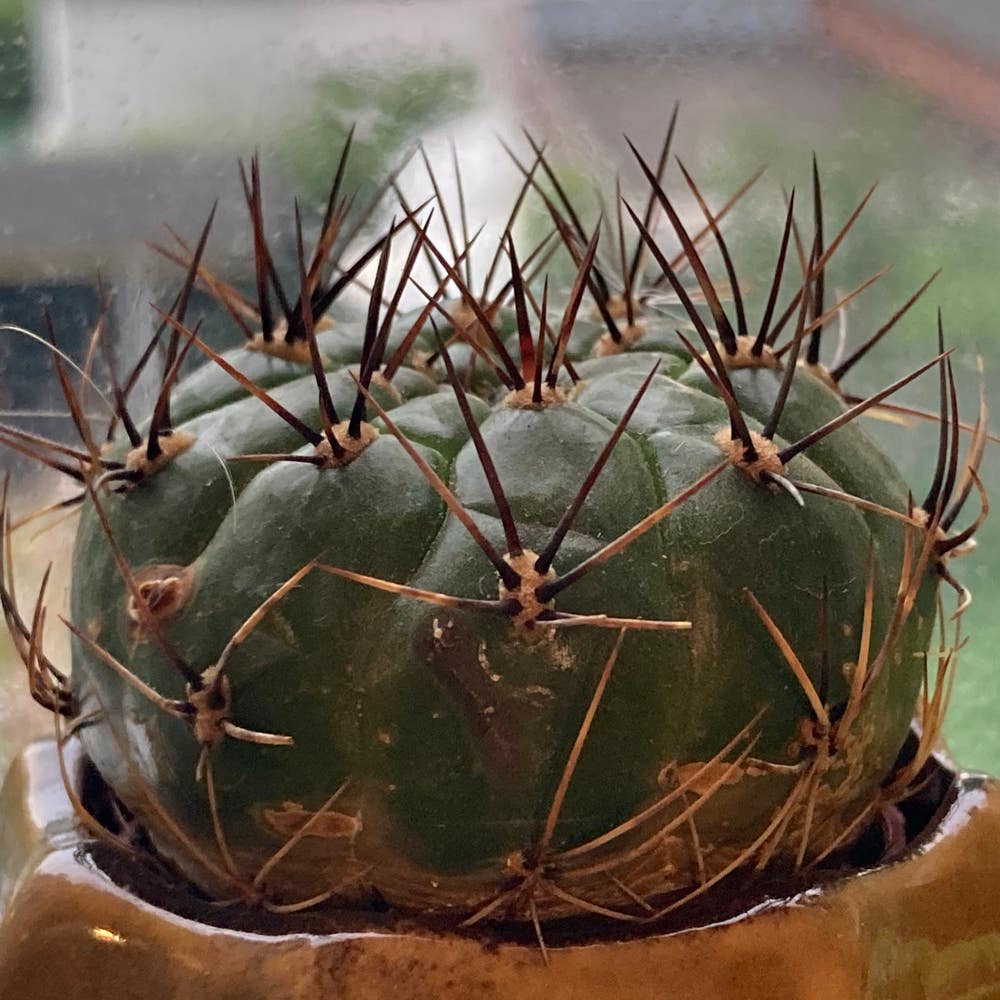
Common Submatucana aureiflora Problems
Matucana aureiflora
By the Greg Editorial Team
Apr 09, 2024•4 min read
This article was created with the help of AI so we can cover more plants for you. May contain errors. See one? Report it here.
Safeguard your Submatucana aureiflora's 🌵 charm by mastering fixes to its most common problems! 🛠️
- 🍂 Wilted or discolored leaves signal nutrient or light issues.
- 💧🌞 Balance water and light to prevent over/under-watering and sunburn.
- 🌡️ Keep temperature 65-78°F to avoid stress on your Submatucana aureiflora.
Spotting Trouble in Paradise: Signs Your Submatucana aureiflora Needs Help
🍂 Wilted, Discolored, or Dropping Leaves
When your Submatucana aureiflora's leaves wilt or hit the dirt, it's not just throwing a tantrum—it's signaling a crisis. Discoloration isn't a new leafy trend; it's a distress call for help, possibly screaming nutrient deficiency or a light-related SOS.
🌱 Stunted Growth or Lack of Flowering
If your Submatucana aureiflora is more stagnant than a pond, with growth as slow as a snail race, it's time to investigate. Lack of flowering isn't just a minor setback; it's a red flag that your cactus could be wrestling with pests, poor soil, or just plain existential dread.
Water Woes: Too Much or Too Little
💧 Over-watering Symptoms and Fixes
Yellow leaves and soggy soil are the hallmarks of over-watering your Submatucana aureiflora. If the roots feel like yesterday's oatmeal, it's time to intervene. Stop watering and let the soil dry. Check the pot's drainage—without it, you're setting up a mini pool party for the roots.
🏜️ Under-watering Symptoms and Fixes
When your Submatucana aureiflora's leaves droop more than your energy on a Monday, it's begging for water. The soil should not remind you of the Sahara. Give it a thorough drink, allowing the water to reach deep, but wait until the top inch of soil is dry before the next watering. Consistency is key—treat it like your daily caffeine fix.
Light and Temperature Tango
💡 Getting the Light Just Right
Submatucana aureiflora thrives in the sweet spot of lighting. Too much sun and the leaves might sport unsightly sunburns; too little, and you'll notice a pale, stretched-out plant reaching for light, a condition known as etiolation. To prevent these extremes, position your plant in a spot that enjoys bright, indirect sunlight. If natural light is lacking, consider grow lights as a supplement, but be wary of placing them too close to avoid leaf scorch.
🌡️ Keeping the Temperature Consistent
Your Submatucana aureiflora isn't a fan of temperature roller coasters. Aim to maintain a stable environment between 65-78°F (18-25°C) to avoid temperature stress. Sudden changes can be as harmful as prolonged exposure to incorrect temperatures. Steer clear of drafts and direct heat sources like radiators to prevent your plant from experiencing the equivalent of a cold shock or heat stroke. Use thermometers to monitor the environment and make adjustments as needed to keep conditions consistent.
Uninvited Guests: Tackling Pests and Diseases
🐛 Common Pests and Their Telltale Signs
Your Submatucana aureiflora isn't just a pretty face; it's a bug magnet too. Yellowing leaves or a sticky residue? That's the red carpet rolled out for pests. Spider mites are tiny terrors, leaving behind fine webs and a speckled look on your plant's leaves. Mealybugs prefer a fluffier approach, masquerading as tiny cotton-like dots. And let's not forget aphids, those sticky little devils that love to suck the life out of new growth.
🍄 Fungal Foes and How to Fight Them
Fungi are the silent ninjas of the plant world, sneaking in when conditions are too damp. Botrytis and powdery mildew will leave your plant looking like it's been through a flour fight. Black spot fungus? More like unwanted plant tattoos. To combat these, isolate your plant, remove the affected areas with sterilized shears, and treat with a fungicide—just remember to follow the label like it's your plant's personal bible. Improving air circulation and keeping foliage dry are your best bets to keep these fungal party crashers from coming back.
Root Rot: The Silent Killer
🚨 Identifying Root Rot
Root rot is a stealthy adversary that can strike your Submatucana aureiflora without warning. To catch it, you must be vigilant. Wilting leaves that remain limp despite watering are a red flag. Yellowing leaves or those with a distorted shape can also signal trouble below the surface. A foul odor from the soil is a dead giveaway that something's amiss with the roots. When you inspect the roots, healthy ones should be firm and white. If they're reddish-brown, mushy, or black, you've got root rot on your hands.
🛠️ Turning the Tide Against Root Rot
To combat root rot, think of yourself as a plant surgeon. Unpot your cactus with care and inspect the roots. Use sterile scissors to trim away the rotten parts—this is a life-saving amputation. Repot your Submatucana aureiflora in fresh, well-draining soil, and consider a pot that promotes better drainage. Adjust your watering habits; let the soil dry out between waterings to prevent a relapse. In some cases, a fungicide may be necessary to address any lingering fungal issues. Remember, prevention is your best defense—keep an eye on watering and ensure good drainage to keep root rot at bay.
⚠️ Safety First
This content is for general information and may contain errors, omissions, or outdated details. It is not medical, veterinary advice, or an endorsement of therapeutic claims.
Always consult a qualified healthcare professional before using any plant as food, medicine, or supplement.
Never eat any plant (or feed one to pets) without confirming its identity with at least two trusted sources.
If you suspect poisoning, call Poison Control (800) 222-1222, the Pet Poison Helpline (800) 213-6680, or your local emergency service immediately.
Spotted an error? Please report it here.
Keep your Submatucana aureiflora thriving 🌟 with Greg's tailored watering schedules and environment monitoring to sidestep those pesky problems.