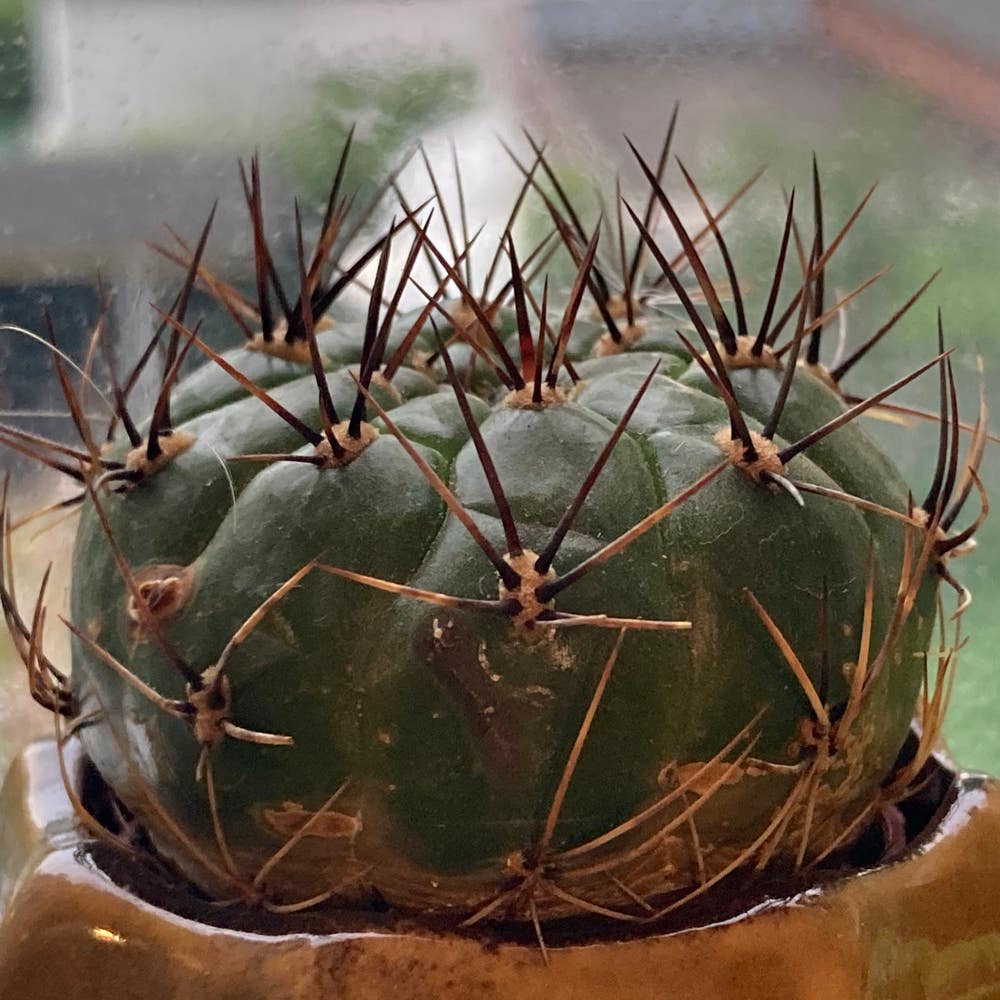
Diagnosing Submatucana Aureiflora Root Rot
Matucana aureiflora
By the Greg Editorial Team
Apr 09, 2024•5 min read
This article was created with the help of AI so we can cover more plants for you. May contain errors. See one? Report it here.
Spot early root rot in your Submatucana aureiflora 🌵 and save your spiky buddy with our life-saving guide!
- Wilting and discoloration signal early root rot; check roots for confirmation.
- Adjust watering habits and trim damaged roots to combat rot.
- Choose well-draining soil and ensure proper airflow to prevent future issues.
Spotting the Red Flags: Early Symptoms of Root Rot
🚩 Wilting and Discoloration
Wilting leaves on your Submatucana aureiflora aren't just slacking off; they're a cry for help. If you spot leaves turning a sickly yellow or brown, it's time to play plant doctor. These changes hint at a hidden malaise below the surface, one that could spell disaster for your spiky companion.
🕵️♂️ Bad Vibes Below: Checking the Roots
To confirm your suspicions of root rot, you'll need to get your hands dirty. Gently unearth your plant and take a good look at its roots. Healthy roots should be firm and a vibrant white, not soft, brown, or black. If they resemble overcooked spaghetti, it's a clear sign of trouble.
First Aid for Root Rot: Immediate Actions to Take
🚱 Stop the Soak: Watering Practices to Rethink
Overzealous watering can turn your Submatucana aureiflora's home into a swamp. Adjust your watering habits immediately. The golden rule here is simple: Let it dry before you try watering again. Make sure the top inch of soil feels like the Sahara before giving your plant another drink. It's not neglect; it's tough love.
🩹 Clean Cut: Trimming the Damage
When root rot attacks, it's time to channel your inner surgeon. Sanitize your tools before and after the operation—think of it as a scrub-in for plant health. Gently remove your plant from its pot and shake off excess soil. Healthy roots are firm and white; anything brown, mushy, or smelly needs to go. Trim carefully, preserving as much of the healthy root system as possible. Post-op, repot your plant in fresh, well-draining soil and a pot with proper drainage holes. And remember, no water for at least a week. Let your plant focus on healing, not drowning.
Battling the Invisible Enemy: Fungal Foes
🛡️ Choosing Your Weapons: Fungicides That Work
When your Submatucana aureiflora starts looking like it's auditioning for a zombie plant flick, fungicides are your backstage crew to get it back in the limelight. But don't just grab any bottle that screams "I kill fungi!"—precision is key.
Systemic fungicides like Aliette or Subdue are the heavyweights that take the fight directly to the root of the problem. They're absorbed by the plant, turning it into a no-go zone for fungi. Think of them as the plant's personal bodyguards, offering internal protection.
For those who prefer a more environmentally friendly approach, biofungicides are your green warriors. They employ beneficial organisms such as Bacillus subtilis to throw a wrench in the fungi's plans. It's like having microscopic bouncers at the door, keeping the bad guys out.
🎨 Application Tips for Effective Treatment
When it comes to application, don your safety gear like you're about to step into a post-apocalyptic wasteland. Safety first—gloves, masks, the works. Read the label like it's the last piece of the survival guide, and follow it to the letter.
Spray with the finesse of a graffiti artist—thorough but not drenched. Cover every nook and cranny, because a missed spot is like leaving the backdoor open for fungi to sneak in. And remember, rotate your fungicides. Using the same one is like playing the same move in chess over and over; the fungi will catch on and checkmate your plant.
Keep kids and pets away during application as if you're guarding the president's secret service code. Post-spray, wash up like you've just come back from a mud run. It's not just about killing fungi; it's about keeping everything else alive too.
Keeping Root Rot at Bay: Long-Term Prevention Strategies
🌱 The Right Foundation: Soil and Pot Choices
Soil is the unsung hero in the epic of plant health. For Submatucana aureiflora, think gritty—a mix that's loose and fast-draining. Ingredients like perlite, coarse sand, or pine bark fines are your go-tos. They're like the plant's personal trainers, ensuring the roots don't drown in their own sweat.
When it comes to pots, drainage holes aren't up for debate; they're as essential as the exit doors in a building. Size matters too—aim for a pot that's cozy but with room to grow. It's like choosing an apartment: too big, and it feels empty; too small, and you're tripping over your own roots.
🌦️ Climate Control: Environmental Tweaks
Airflow is the breath of life for your Submatucana aureiflora. Ensure it's living in a space where air can move freely, like a gentle breeze through an open window. Stagnant air is a party invitation for fungi, and nobody wants those guests.
Humidity levels should be just right—not too muggy, not too dry. It's a balancing act, akin to finding the perfect level of crunch in your toast.
Temperature and light are the dynamic duo in this tale. Keep them consistent, like the reliable friend who always shows up at 8 PM on the dot. Too much variation, and your plant's health could flicker like a light in a storm.
Rotate your pots regularly. It's like ensuring your plant gets a well-rounded education, preventing the development of any 'bad sides.' Remember, a plant that's well-rounded is less likely to fall victim to the dark arts of root rot.
⚠️ Safety First
This content is for general information and may contain errors, omissions, or outdated details. It is not medical, veterinary advice, or an endorsement of therapeutic claims.
Always consult a qualified healthcare professional before using any plant as food, medicine, or supplement.
Never eat any plant (or feed one to pets) without confirming its identity with at least two trusted sources.
If you suspect poisoning, call Poison Control (800) 222-1222, the Pet Poison Helpline (800) 213-6680, or your local emergency service immediately.
Spotted an error? Please report it here.
Ensure your submatucana aureiflora stays healthy and vibrant 🌟 with Greg's personalized care reminders to prevent root rot before it starts.