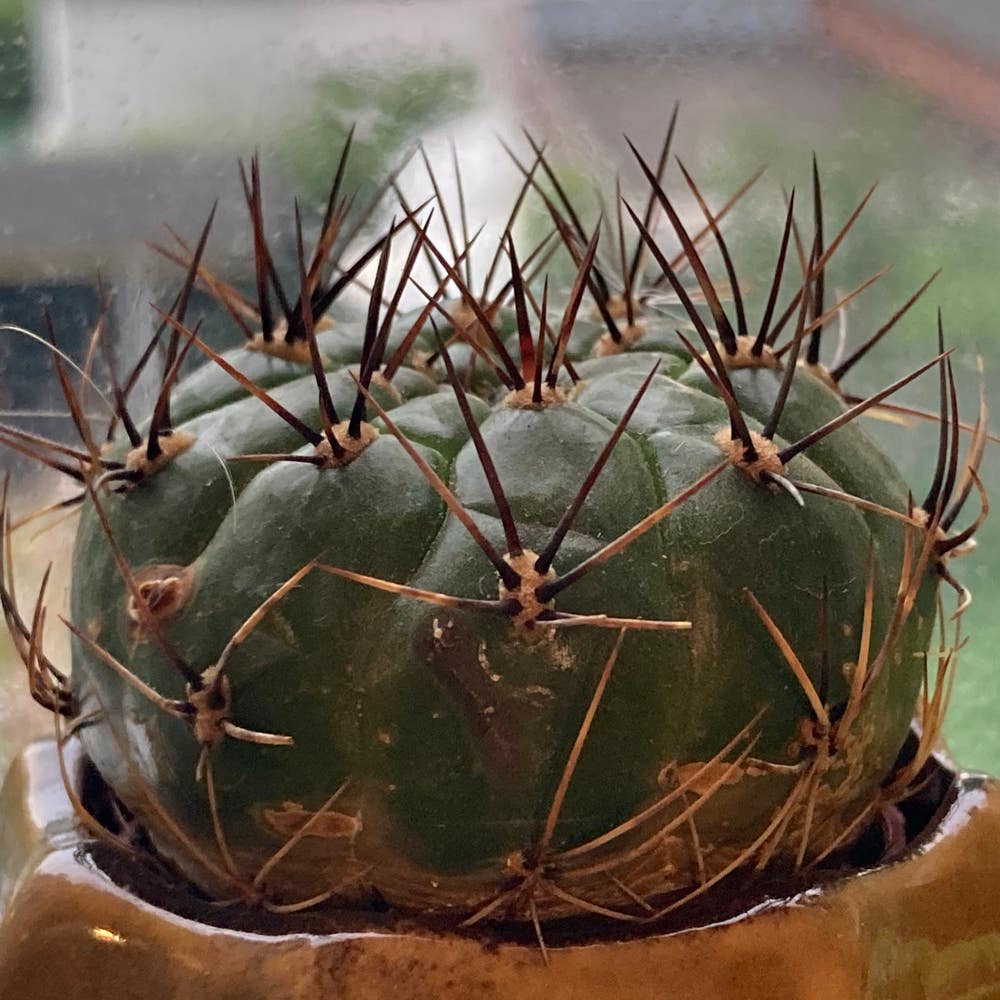
Why Are There Brown Spots on My Submatucana aureiflora?
Matucana aureiflora
By the Greg Editorial Team
Apr 09, 2024•4 min read
This article was created with the help of AI so we can cover more plants for you. May contain errors. See one? Report it here.
Uncover the secrets behind your plant's brown spots and save your Submatucana aureiflora from distress! 🍂🔍
- 🚨 Brown spots signal distress, often due to water, light, or nutrient issues.
- 🌞💧 Balance watering and sunlight to prevent over/underwatering and sunburn.
- 🌱 Regular inspections and care keep Submatucana aureiflora spot-free and healthy.
Spotting the Trouble: Identifying Brown Spots on Your Plant
🕵️ What Do Brown Spots Look Like?
Consistency is your tip-off when identifying brown spots. They're not just blemishes; they're distress signals. Uniform spots suggest a different issue than random, splattered patterns. Look for crispy patches with a dark center and perhaps a yellowish halo—these are the telltale signs that your plant is not in its happy place.
🌿 Where to Look for Brown Spots
Brown spots like to stake their claim on the edges or centers of leaves, but they're not picky; they'll show up wherever they please. New growth may show different symptoms than mature leaves, so give your Submatucana aureiflora a thorough once-over. Spotting these invaders early could be the difference between a quick fix and a full-blown plant crisis.
The Usual Suspects: Common Causes of Brown Spots
💦 Too Much Love: Overwatering Woes
Overwatering is the equivalent of drowning your Submatucana aureiflora in affection. Roots can't swim; they need air as much as water. When the soil is too wet, roots rot, and the plant sends an SOS with brown spots. Check if your pot's drainage is more of a bottleneck than a gateway.
🏜️ Thirsty Roots: The Underwatering Problem
Conversely, underwatering is like sending your plant on a forced drought retreat. Signs include dry, brittle leaves with a brown, parched look. Hydration balance is key; let the soil dry out slightly between waterings, but don't turn it into a desert.
🌞 Sun-Kissed or Sun-Scorched?
Sunlight is a double-edged sword. The right amount gives your plant a healthy glow, but too much and it's a one-way ticket to Crispy Leaf City. Brown, dry spots on the leaves' top side are a clear sign of sunburn. Partial shade is the sweet spot, offering protection while still letting your plant bask in the sun's glory.
🍽️ Hungry Plant, Unhappy Leaves
Nutrient deficiencies turn leaves into a patchwork of brown spots. It's like your plant is on a diet it never signed up for. Feed it right with a balanced fertilizer, and watch those spots fade away as your plant gets back to its vibrant self.
🐜 Tiny Invaders: Pest-Related Brown Spots
Pests are the uninvited guests that throw a party at your plant's expense. They leave behind brown spots as evidence of their revelry. Keep an eye out for these tiny troublemakers and show them the door with safe pest control measures. Your Submatucana aureiflora will thank you.
Fixing the Spots: Tailored Treatments for Your Plant
💧 Adjusting Your Watering Technique
Watering your Submatucana aureiflora is less about sticking to a schedule and more about responding to its needs. Check the soil before you water—only proceed if the top inch feels dry. When you do water, target the base, not the leaves, to prevent moisture-related issues. Your plant's thirst varies with the seasons; water less in cooler months.
🌤 Creating the Perfect Sunbathing Spot
Your plant loves the sun, but like a pale beachgoer, it can burn. Indirect light is your friend. If you're moving your plant to a brighter spot, do it gradually to avoid shocking its system. Use sheer curtains to filter intense sunlight, and remember, even sun worshippers have their limits.
🍽 The Right Diet for a Spotless Plant
Feeding your Submatucana aureiflora is a delicate balance. Use a balanced fertilizer, but don't overdo it. Too much and you risk nutrient burn; too little and your plant starves. Follow the instructions on the fertilizer package—this isn't the time for freestyling.
🐜 Keeping Pests at Bay
Pests are like that one guest who overstays their welcome. If you spot trouble, insecticidal soap or neem oil can be your bouncers. Apply thoroughly, especially under the leaves, and repeat every few days until the pests get the message. For an extra layer of defense, introduce sticky traps to monitor any new pest activity.
Keeping Brown Spots at Bay: Prevention is Key
🕵️♂️ Regular Check-Ups
Routine inspections are the cornerstone of plant health, much like regular oil changes for your car. Look for early signs of brown spots, which could save your Submatucana aureiflora from a cascade of issues. Inspect leaves, stems, and even the soil, as if you're a detective on the hunt for clues. Spotted something? Time to tweak your care regimen.
🌡️ The Ideal Environment
Creating a stable environment for your plant is like setting the thermostat for comfort—neither too hot nor too chilly. Consistent temperatures and humidity levels are your allies in the fight against brown spots. Ensure bright, indirect light to mimic the plant's natural habitat, and remember, good airflow is non-negotiable. Think of it as giving your plant room to breathe. Keep the soil well-drained; waterlogged roots are an open invitation for trouble. And when it comes to spacing, treat your plants like introverts—they need their personal space to thrive.
⚠️ Safety First
This content is for general information and may contain errors, omissions, or outdated details. It is not medical, veterinary advice, or an endorsement of therapeutic claims.
Always consult a qualified healthcare professional before using any plant as food, medicine, or supplement.
Never eat any plant (or feed one to pets) without confirming its identity with at least two trusted sources.
If you suspect poisoning, call Poison Control (800) 222-1222, the Pet Poison Helpline (800) 213-6680, or your local emergency service immediately.
Spotted an error? Please report it here.
Eradicate brown spots and cultivate vibrant health 🌟 for your Submatucana aureiflora with Greg's custom watering plans and sun exposure advice.