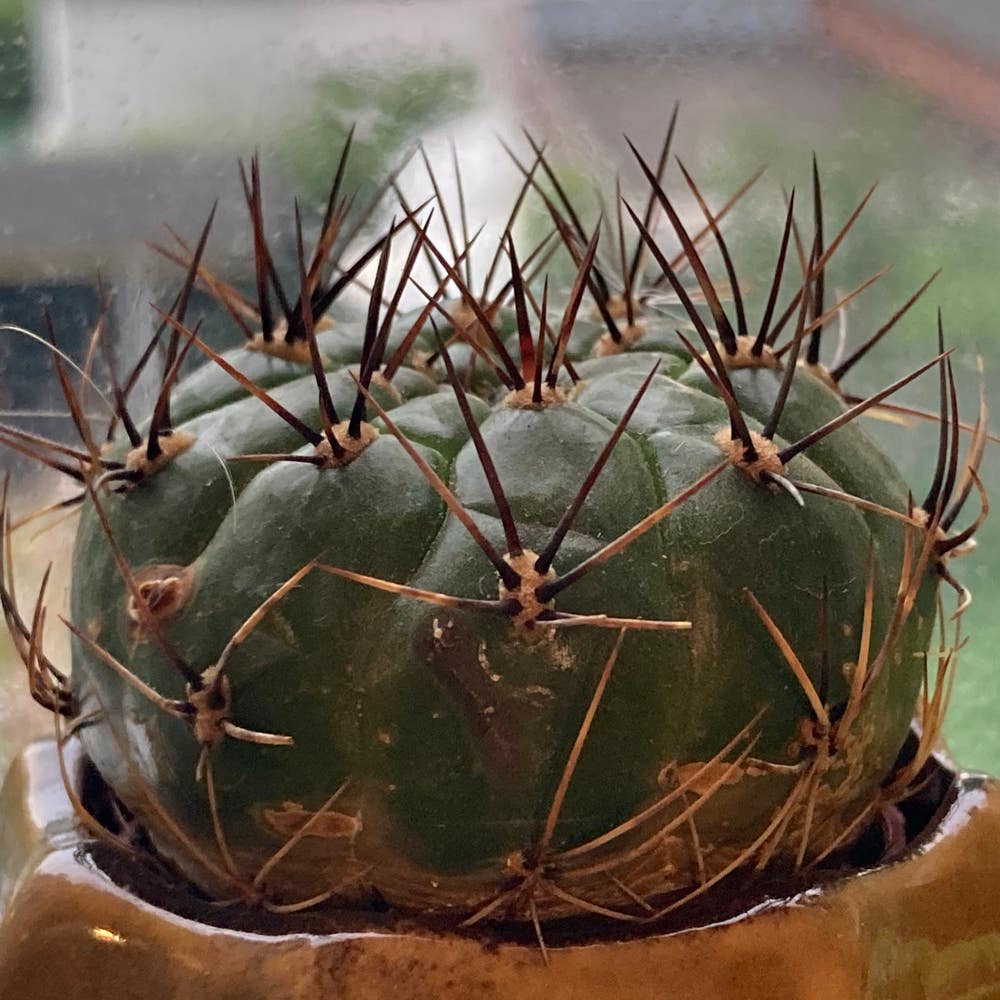
Fertilizing My Submatucana aureiflora to Double Its Growth
Matucana aureiflora
By the Greg Editorial Team
Apr 09, 2024•4 min read
This article was created with the help of AI so we can cover more plants for you. May contain errors. See one? Report it here.
Nurture a thriving Submatucana aureiflora 🌵 with our tailored fertilizing guide for lush, double growth! 📈
- NPK ratio matters: 1-1-1 or 2-1-1 ideal for Submatucana aureiflora.
- Liquid vs. Granular: Choose based on immediate results or long-term feeding.
- Fertilize with the seasons: Active in spring/summer, pause in winter.
Picking the Perfect Fertilizer
💡 Understanding the Ideal NPK Ratio
Submatucana aureiflora thrives on a delicate balance of nutrients. The right NPK ratio is critical for its growth and blooming success. Low nitrogen is essential, as too much can lead to all leaves and no charm. Phosphorus and potassium, however, are like the plant's personal trainers, strengthening roots and boosting blooms. Aim for a fertilizer with a 1-1-1 or 2-1-1 NPK ratio for optimal results.
🌱 Top Picks for Fertilizers
When selecting, consider cactus-specific options. These are formulated with the ideal ratios in mind, simplifying your fertilizing routine. Look for products like a 1-7-6 or 5-10-5 formula, which focus on root and flower development while keeping foliage growth in check.
🏃♂️ Liquid vs. Granular: Which Wins for Submatucana aureiflora?
Liquid fertilizers are the quick artists of the plant nutrition world, providing a rapid nutrient boost. They're easily absorbed, making them perfect for a swift response to your cactus's needs. Granular fertilizers, on the other hand, are the endurance athletes, releasing nutrients slowly for sustained support. For Submatucana aureiflora, the choice depends on your care routine. If you prefer immediate results and regular monitoring, go liquid. If you're a set-it-and-forget-it type, granular might be your ally.
Timing is Everything: When to Fertilize
🌱 Syncing with the Growth Cycle
Submatucana aureiflora thrives when its feeding schedule aligns with its natural rhythms. During the active growth phase, typically spring and summer, this cactus is all about expansion and bloom. It's like a green machine, churning out growth, and it's hungry for nutrients.
📅 Seasonal Fertilizing Cheat Sheet
Spring is the starting gun for your fertilizing marathon. As temperatures rise and days lengthen, hit the ground running with a nutrient boost. Come summer, keep the momentum—your Submatucana aureiflora is in its prime, flaunting its growth.
When autumn leaves start to fall, it's a signal to ease up. Your cactus begins to wind down, preparing for its winter snooze. Winter is the chill-out zone; fertilization should be minimal or on pause, to avoid overfeeding during dormancy.
Remember, your cactus won't tap you on the shoulder to remind you of the season. Stay observant, adjust as needed, and keep that fertilization dance in sync with nature's tempo.
Fertilizing Like a Pro
💧 The Right Way to Apply Fertilizers
Less is more when it comes to nourishing your Submatucana aureiflora. To apply fertilizers without causing harm, follow these steps:
- Choose a balanced fertilizer with the appropriate NPK ratio for cacti.
- Dilute the fertilizer to half the strength recommended on the package.
- Moisten the soil before applying to protect the roots from chemical burn.
- Evenly distribute the diluted fertilizer around the plant's base, avoiding direct contact with the stem and leaves.
- Water thoroughly after applying to help the soil absorb the nutrients.
- Repeat every 4-6 weeks during the growth period, and then pause during dormancy.
💦 Dilution Dos and Don'ts
Getting the concentration right is crucial to avoid over-fertilization. Here's how to nail it:
- Always dilute liquid fertilizers more than you think you should; a 50% strength solution is usually safe.
- Water your plant before and after applying fertilizer to ensure even distribution.
- Monitor your plant's response after fertilizing. Lush growth indicates you're on the right track; any signs of distress mean you should adjust your approach.
- Avoid overstocking on fertilizer. Purchase only what you need for the season to ensure freshness and potency.
Recognizing Too Much of a Good Thing
🚨 Spotting the Signs of Over-Fertilization
Yellowing leaves or a stunted Submatucana aureiflora are your first hints that you've crossed the line from nurturing to overfeeding. A white crust on the soil's surface isn't a quirky plant feature—it's an alarm bell for excess salts. If the roots look like they've been through a chemical warfare rather than a gentle feed, you're looking at root burn. And if your cactus is wilting despite moist soil, it's definitely sending an SOS.
🛠 Quick Fixes for Fertilizer Faux Pas
When you've been heavy-handed with the fertilizer, it's time for damage control. Stop fertilizing immediately—your plant needs a break, not a buffet. Flush the soil with water to leach out excess nutrients; think of it as a detox for your plant's roots. Going forward, remember that moderation is the spice of life and gardening. Stick to the recommended dosage and frequency to avoid turning your green thumb into a burnt one.
⚠️ Safety First
This content is for general information and may contain errors, omissions, or outdated details. It is not medical, veterinary advice, or an endorsement of therapeutic claims.
Always consult a qualified healthcare professional before using any plant as food, medicine, or supplement.
Never eat any plant (or feed one to pets) without confirming its identity with at least two trusted sources.
If you suspect poisoning, call Poison Control (800) 222-1222, the Pet Poison Helpline (800) 213-6680, or your local emergency service immediately.
Spotted an error? Please report it here.
Nurture your Submatucana aureiflora to double its growth 🌵 with Greg's custom fertilization reminders, ensuring you never miss the perfect feeding moment.