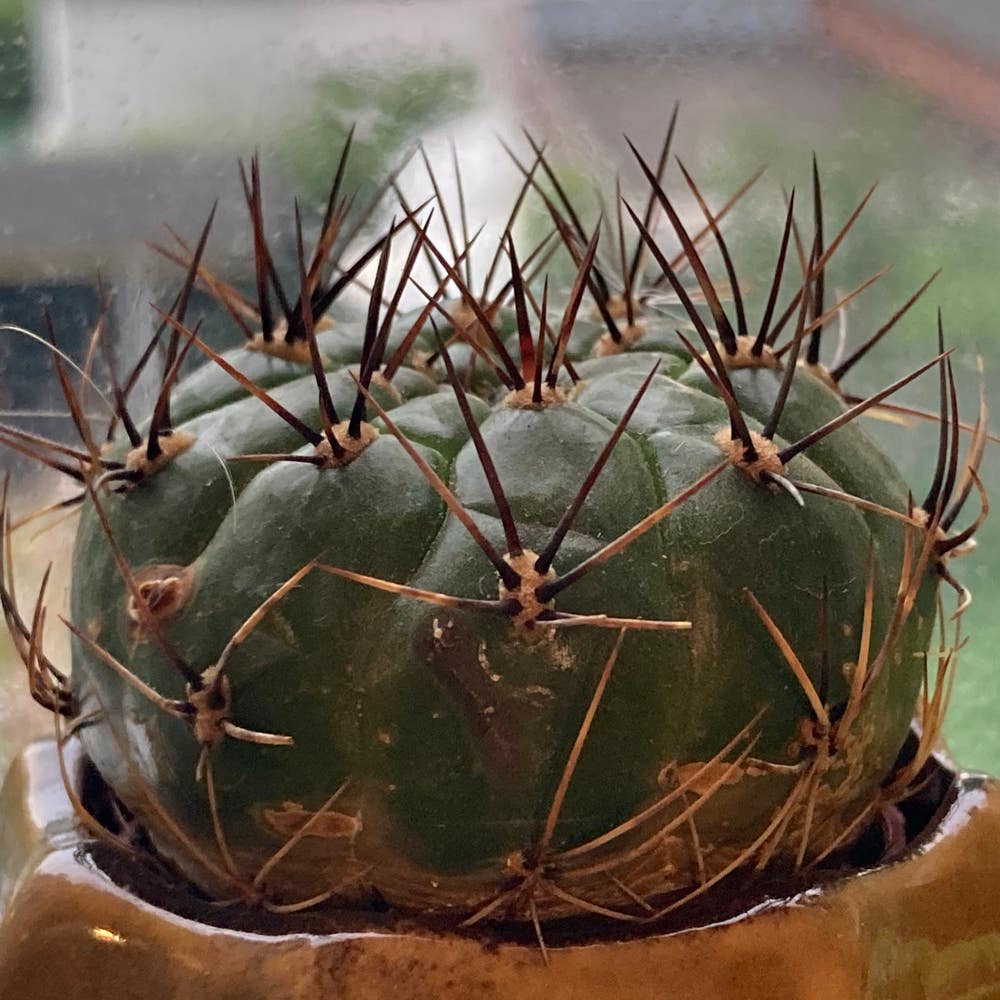
🌻 Everything You Need to Know About Golden Flower Matucana
Matucana aureiflora
By the Greg Editorial Team
Feb 02, 2025•11 min read
This article was created with the help of AI so we can cover more plants for you. May contain errors. See one? Report it here.
Elevate your garden's charm with the vibrant Golden Flower Matucana 🌼—a stunning plant that thrives with simple care!
- 🌞 Golden Flower Matucana needs 6-8 hours of sunlight for optimal growth.
- 🌱 Water only when the top inch of soil is dry to prevent root rot.
- 🌼 This plant attracts pollinators and enhances garden aesthetics with vibrant yellow flowers.
How to Grow
Choosing a Location 🌞
To thrive, the Golden Flower Matucana needs full sun exposure, ideally basking in 6 to 8 hours of sunlight daily. It also prefers warm temperatures, with an ideal range between 20°C to 30°C (68°F to 86°F) for optimal growth.
Soil Preparation 🏜️
For soil preparation, aim for well-draining sandy or loamy soil. The pH should be slightly acidic to neutral, ideally between 6.0 and 7.0, to create the perfect environment for your plant.
Planting Techniques 🌱
When planting, space your Golden Flower Matucana 12 to 18 inches apart to ensure optimal air circulation. Make sure to plant at the same depth as it was in the nursery pot to promote healthy root development.
Watering Requirements 🚰
Water your plant when the top inch of soil feels dry to the touch. It's best to water at the base to avoid wetting the foliage, which can lead to fungal issues.
Fertilizing Schedule 🍽️
Use a balanced NPK fertilizer, such as a 10-10-10 mix, to nourish your plant. Fertilize every 4 to 6 weeks during the growing season to keep it healthy and vibrant.
Pruning and Ongoing Care ✂️
Prune your Golden Flower Matucana after flowering to encourage new growth. Focus on removing dead or damaged stems and spent flowers to maintain its appearance and health.
With these tips, you’re well on your way to cultivating a thriving Golden Flower Matucana. Next, let’s explore how to propagate this stunning plant for even more beauty in your garden!
Propagation
🌱 Seed Propagation
To propagate Golden Flower Matucana from seeds, start by sowing them in well-draining soil. Lightly cover the seeds and keep the soil consistently moist to encourage germination.
Germination typically takes about 2-3 weeks under optimal conditions. Ensure the environment is warm and humid to promote healthy growth.
✂️ Cutting Propagation
For those who prefer cuttings, select healthy stems from the parent plant. Cut just below a node and remove the lower leaves to prepare the cutting for rooting.
Place the cuttings in a moist rooting medium, such as perlite or vermiculite. This method can lead to successful propagation, allowing you to expand your collection of these stunning plants.
With these propagation techniques, you can easily multiply your Golden Flower Matucana and share its beauty with friends or enhance your garden. Next, let’s explore the lifecycle of this captivating plant.
Lifecycle
🌱 Lifecycle Stages
The Golden Flower Matucana is typically grown as a perennial in suitable climates. Its lifecycle includes several distinct stages: seed or cutting, germination, seedling, vegetative growth, flowering, and seed production.
⏳ Germination Process and Timeline
Germination is a crucial phase, taking about 2-3 weeks under optimal conditions. This period is essential for establishing a healthy foundation for the plant.
📏 Lifespan and Growth Rate
Once planted, it takes approximately 1-2 years for the Golden Flower Matucana to reach its full size. The growth rate is moderate and can vary based on environmental conditions such as light, water, and soil quality.
Understanding these lifecycle stages helps you provide the best care for your Golden Flower Matucana, ensuring it thrives in your garden. Next, let's explore the size of this beautiful plant and what to expect as it matures.
Size
Mature Height and Spread 🌱
The Golden Flower Matucana typically reaches a mature height of 12 to 24 inches (30 to 60 cm). Its spread can range from 12 to 18 inches (30 to 45 cm), making it a compact yet striking addition to your garden.
Growth Rate and Factors Affecting Size 📈
This plant exhibits a moderate growth rate, which can fluctuate based on several environmental factors. Key influences include soil quality, watering frequency, and the amount of sunlight it receives.
Understanding these aspects can help you optimize the growth of your Golden Flower Matucana. By providing the right conditions, you can ensure it thrives and showcases its beautiful blooms.
As you plan your garden, consider how these size characteristics will fit into your overall landscape design. This will help you create a harmonious and visually appealing space.
Roots
Characteristics of the Root System 🌱
Golden Flower Matucana features a fibrous root system that is essential for its growth. While the roots are typically shallow, they spread extensively to absorb nutrients and water efficiently.
Common Root-Related Issues ⚠️
One of the most common problems is root rot, which occurs due to overwatering. Symptoms include wilting and yellowing leaves, signaling that the roots are struggling.
Another issue is becoming rootbound, which happens when the roots fill the pot. Signs of this condition include stunted growth and roots growing out of drainage holes.
Tips for Managing Root Problems 🛠️
To prevent root rot, ensure your pot has proper drainage and avoid overwatering.
If you suspect your plant is rootbound, check for roots emerging from the drainage holes and consider repotting to give it more space to thrive.
By staying vigilant about these root issues, you can help your Golden Flower Matucana flourish beautifully.
Next, let’s explore the benefits of this stunning plant and how it can enhance your garden.
Benefits
🌼 Five Benefits of Golden Flower Matucana
Aesthetic Appeal
The Golden Flower Matucana boasts bright yellow flowers that can instantly elevate the beauty of any garden. Their vibrant color adds a cheerful touch, making them a favorite among gardeners.
Cultural Significance
This plant is deeply rooted in traditional Andean culture and folklore. Its presence in gardens often reflects a connection to heritage and history.
Attracts Pollinators
Golden Flower Matucana is a magnet for pollinators like bees and butterflies. By planting this flower, you not only enhance your garden's beauty but also support local ecosystems.
Drought Resistance
Adapted to thrive in arid conditions, this plant requires less water than many others. This makes it an excellent choice for those looking to conserve water while maintaining a lush garden.
Unique Growth Habit
With its distinctive growth habit, the Golden Flower Matucana adds diversity to garden landscapes. Its unique form can serve as a focal point, drawing the eye and sparking conversation.
These benefits make the Golden Flower Matucana a valuable addition to any garden. Whether you're looking to beautify your space or support local wildlife, this plant has something to offer.
Next, let’s explore how to propagate this stunning flower for your garden.
Companion Plants
🌱 Explanation of Companion Planting
Companion planting is a gardening strategy that enhances diversity and promotes healthy growth. By pairing plants that benefit each other, you can improve pest management and create a thriving garden ecosystem.
🌼 Best Companion Plants
When growing Golden Flower Matucana, consider companions like other cacti and succulents. These plants share similar care needs, making them ideal partners.
Additionally, incorporating pest-repellent plants like marigolds can help deter unwanted insects. Their vibrant blooms not only beautify your garden but also provide a natural defense against pests.
🚫 Plants to Avoid
While companion planting can be beneficial, it's essential to avoid certain plants. Steer clear of heavy feeders that may compete for nutrients, as this can hinder the growth of your Golden Flower Matucana.
By selecting the right companions and avoiding detrimental plants, you can create a harmonious garden that flourishes together. This thoughtful approach not only enhances your garden's beauty but also supports the health of your plants.
Next, let's explore the toxicity of Golden Flower Matucana to humans and pets, ensuring a safe environment for everyone.
Toxicity to Humans
Safety of Golden Flower Matucana for Humans 🌼
Golden Flower Matucana is not classified as toxic by major poison control centers. This means you can enjoy its beauty without worrying about severe health risks.
However, excessive contact with the plant may cause mild skin irritation. Ingesting large amounts could lead to minor digestive discomfort, so it's best to admire it from a distance if you're prone to sensitivities.
Cautionary Note ⚠️
Always exercise caution with any plant, including Golden Flower Matucana. If you experience unusual symptoms after contact or ingestion, seek medical advice promptly to ensure your safety.
By staying informed and cautious, you can enjoy the vibrant beauty of this plant while minimizing any potential risks.
Toxicity to Dogs
🐶 Safety of Golden Flower Matucana for Dogs
Golden Flower Matucana is not toxic to dogs, according to major pet poison control centers. While it's generally safe, excessive consumption may lead to mild gastrointestinal upset.
🐾 Tips for Introducing to Homes with Dogs
To keep your furry friends safe, place the plant out of reach of curious dogs. It's also wise to monitor their behavior around new plants, ensuring they don't show unusual interest or nibble on the leaves.
With these precautions, you can enjoy the beauty of Golden Flower Matucana without worrying about your dog's safety. Next, let's explore how this plant interacts with our feline companions.
Toxicity to Cats
Safety of Golden Flower Matucana for Cats 🐱
Golden Flower Matucana is not toxic to cats, as confirmed by major pet poison control centers. However, if a cat consumes too much, it may experience mild gastrointestinal upset.
Tips for Introducing to Homes with Cats 🏡
To keep your feline friends safe, place the Golden Flower Matucana in areas that are out of reach. It's also wise to monitor your cat's behavior around the plant to catch any unusual interactions early on.
By taking these precautions, you can enjoy the beauty of this plant while ensuring your cat remains healthy and happy.
Problems
Common Problems Faced 🌱
Growing Golden Flower Matucana can be rewarding, but it comes with its share of challenges.
- Incorrect watering: Overwatering can lead to root rot, while underwatering results in wilting.
- Incorrect light conditions: Insufficient light causes leggy growth, whereas too much light can scorch the leaves.
- Diseases: Fungal issues like powdery mildew and rust may arise if conditions aren't ideal.
- Leaf issues: Yellowing leaves often indicate nutrient deficiencies or pest infestations.
- Growth problems: Stunted growth or a lack of flowering can signal underlying care issues.
Identification and Solutions 🔍
Identifying problems early is key to maintaining a healthy plant.
- Overwatering: If you notice yellowing leaves, it’s a sign to cut back on watering.
- Insufficient light: Leggy growth suggests your plant needs more sunlight; consider relocating it to a sunnier spot.
By staying vigilant and adjusting care practices, you can ensure your Golden Flower Matucana thrives. Next, let’s explore the potential pest issues that can affect your plant.
Bugs
🐜 Potential Pest Issues
Golden Flower Matucana is generally resilient to pests, but it can still fall victim to a few specific nuisances. Keeping an eye out for these pests will help you maintain a healthy plant.
🐞 Common Pests
Spider Mites
Spider mites are a common issue, identifiable by their fine webbing on the plant. They cause stippled leaves, which can be treated effectively with insecticidal soap.
Mealybugs
Look out for mealybugs, which appear as white, cotton-like masses on your plant. These pests can lead to leaf drop, but a treatment of neem oil can help eliminate them.
Aphids
Aphids are small green insects that can curl leaves and stunt growth. Control them with insecticidal soap to keep your Golden Flower Matucana thriving.
By staying vigilant and addressing pest issues promptly, you can ensure your plant remains healthy and vibrant. Next, let’s explore what animals might be interested in snacking on your Golden Flower Matucana.
What Eats Golden Flower Matucana
🐾 Common Animals That May Damage
Golden Flower Matucana can attract a variety of hungry critters. Understanding which animals may pose a threat is essential for protecting your plant.
🦌 Deer
Deer are notorious for munching on garden plants. If you notice chewed leaves, it’s likely they’ve taken a liking to your Matucana. To deter them, consider installing fencing or using repellents.
🐇 Rabbits
Rabbits can also be a nuisance, often leaving behind clipped stems. To keep these furry friends at bay, use barriers or repellents designed specifically for rabbits.
🐿️ Squirrels
Squirrels may dig up roots, causing significant damage. If you see signs of disturbed soil, it’s time to take action. Noise or movement devices can effectively deter these agile pests.
🐦 Birds
Birds can peck at the flowers, leaving them looking less than perfect. If you spot pecked blooms, using netting can help protect your precious flowers from their beaks.
🐭 Rodents
Rodents, such as mice or voles, may gnaw on stems, leading to stunted growth. Keep an eye out for signs of gnawing and manage the situation with traps or natural deterrents.
By being aware of these potential threats, you can take proactive steps to safeguard your Golden Flower Matucana. With a little vigilance, you can enjoy its beauty without the worry of unwanted visitors.
⚠️ Safety First
This content is for general information and may contain errors, omissions, or outdated details. It is not medical, veterinary advice, or an endorsement of therapeutic claims.
Always consult a qualified healthcare professional before using any plant as food, medicine, or supplement.
Never eat any plant (or feed one to pets) without confirming its identity with at least two trusted sources.
If you suspect poisoning, call Poison Control (800) 222-1222, the Pet Poison Helpline (800) 213-6680, or your local emergency service immediately.
Spotted an error? Please report it here.
Ensure your Golden Flower Matucana blooms brilliantly 🌼 with Greg's tailored care tips and watering reminders, helping you create a stunning garden centerpiece!