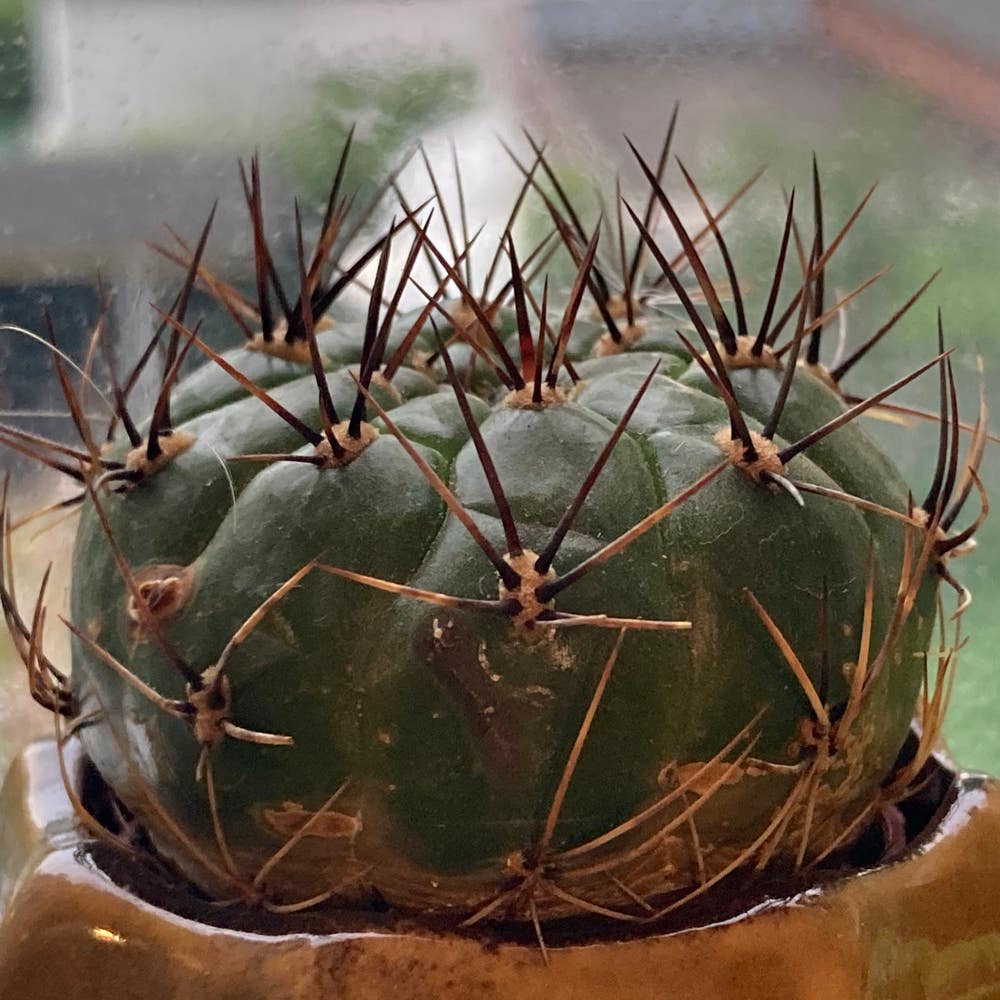
What To Do About Bugs on My Submatucana aureiflora? 🐛
Matucana aureiflora
By the Greg Editorial Team
Apr 09, 2024•2 min read
This article was created with the help of AI so we can cover more plants for you. May contain errors. See one? Report it here.
Protect your cactus 🌵 from invaders with top tips for bug-free Submatucana aureiflora bliss!
- 🕸️ Spider mites and mealybugs: Treat with neem oil, insecticidal soap, or alcohol.
- 🐜 Scale and gnats: Remove manually, use horticultural oil, or set sticky traps.
- 🌵 Prevent infestations: Dry soil, clean surroundings, and quarantine new plants.
Spotting the Invaders: Identifying Common Pests
🕷️ Spider Mites
Webbing is the telltale sign of spider mites, often accompanied by leaf damage that makes your Submatucana aureiflora look like it's been in a miniature war. To fight back, neem oil and insecticidal soap are your best allies, applied with the precision of a plant doctor.
🦠 Scale
If your cactus is sporting unwanted bumps, you've got scale. These freeloaders are sap-suckers, leaving a sticky mess. The best counterattack involves manual removal and a follow-up with horticultural oil, ensuring you've shown them the door.
🦟 Fungus Gnats and Fruit Flies
Flying frustrations are real when gnats and flies hover around your plant. Sticky traps snag the adults, while a soil drench with insecticidal soap or neem oil targets the wriggling larvae below the surface.
🐛 Mealybugs
Cottony clusters tucked in the nooks of your cactus scream mealybugs. Rubbing alcohol is your first line of defense, with soaps as backup. Apply with the determination of a plant parent on a mission to reclaim their green kingdom.
Section
Remedies and Prevention: A Two-Pronged Approach
🌵 Creating Unfavorable Conditions
Dry spells are your first line of defense against gnats. Let the soil's top layer become your desert—inhospitable to those moisture-loving pests.
Keep your plant's surroundings spick-and-span. A clean area is the bane of bugs' existence, deterring them from setting up camp.
👀 Regular Monitoring and Maintenance
Inspection routines are the equivalent of a daily dental check-up for your plant. Peek under leaves, scrutinize stems, and be on the lookout for any signs of squatting pests.
Quarantine any newcomers. Think of it as the VIP backstage pass—no new plant mingles with the main collection without a thorough vetting to prevent pest parties.
⚠️ Safety First
This content is for general information and may contain errors, omissions, or outdated details. It is not medical, veterinary advice, or an endorsement of therapeutic claims.
Always consult a qualified healthcare professional before using any plant as food, medicine, or supplement.
Never eat any plant (or feed one to pets) without confirming its identity with at least two trusted sources.
If you suspect poisoning, call Poison Control (800) 222-1222, the Pet Poison Helpline (800) 213-6680, or your local emergency service immediately.
Spotted an error? Please report it here.
Banish bugs from your Submatucana aureiflora with Greg's custom care alerts 🛡️, ensuring early detection and effective treatment for a pest-free plant paradise!