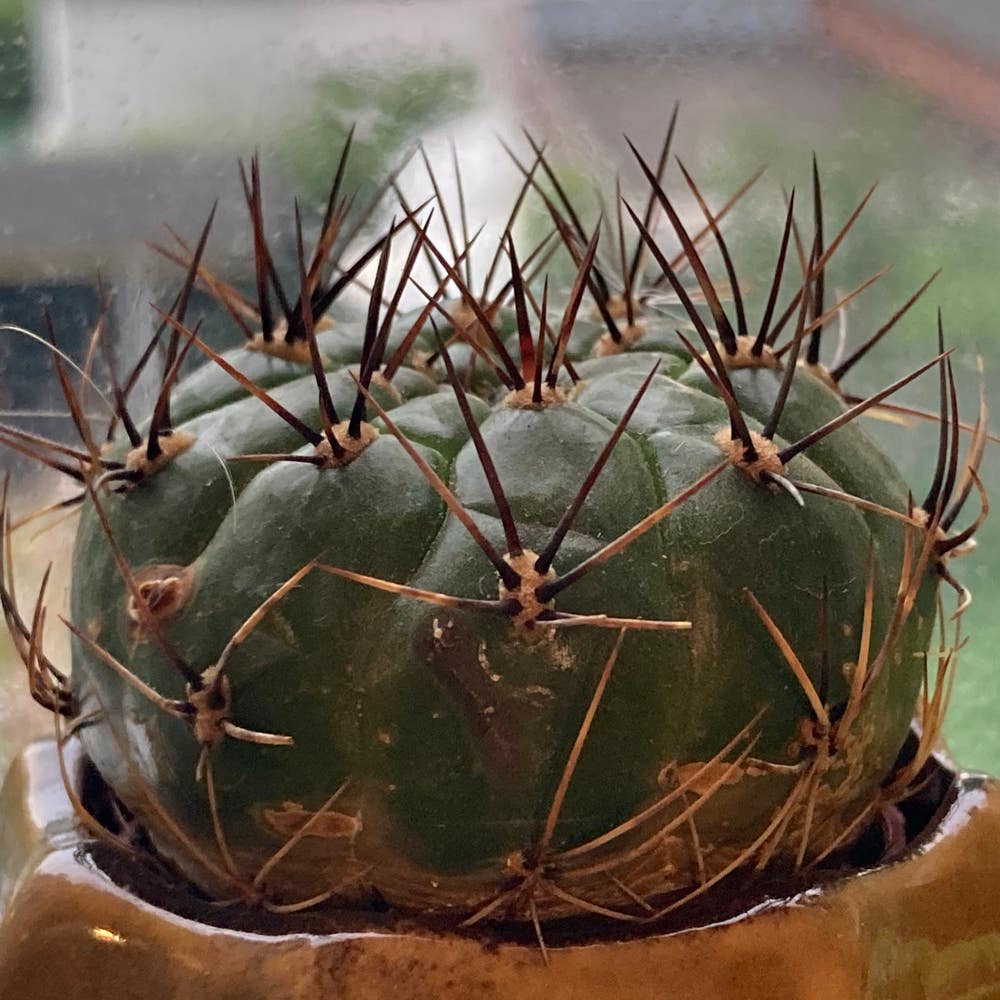
Black Spots on My Submatucana aureiflora Leaves
Matucana aureiflora
By the Greg Editorial Team
Apr 09, 2024•5 min read
This article was created with the help of AI so we can cover more plants for you. May contain errors. See one? Report it here.
Eradicate black spots 🕵️♂️ on your Submatucana aureiflora and keep your succulent spotless with these proven tips! 🌵
- Fungal and bacterial infections cause black spots; odor may indicate severity.
- Environmental stress like overwatering, poor air circulation contributes to spots.
- Prevent with cleanliness, precise watering, and regular plant check-ups.
Spotting the Trouble: Recognizing Black Spots
🕵️ What Do They Look Like?
Black spots on Submatucana aureiflora leaves are alarm bells. They can range from tiny specks to large blotches, often encircled by a yellowish margin. These spots may appear raised or sunken, and sometimes give off a foul odor—a telltale sign that your plant is not just having a bad day but facing a serious threat.
🌿 Where Do They Show Up?
Underneath the leaves is where the black spot saga often begins. It's a sneaky spot, easily overlooked during casual glances. But don't be fooled; these spots can also make a grand entrance on the top surfaces of leaves. Regular inspections are non-negotiable—flip those leaves and scrutinize every inch. Remember, early detection can turn the tide in this botanical battle.
Uncovering the Culprits: Causes of Black Spots
🍄 Fungal Foes: Identifying Fungal Infections
Fungal infections are the usual suspects when it comes to black spots on Submatucana aureiflora. These spots often start as tiny blemishes and expand into larger lesions. Cercospora and Anthracnose are the ringleaders, exploiting any excess moisture. A key indicator is the presence of concentric rings or dark margins around the spots.
🦠 Bacterial Baddies: Spotting Bacterial Issues
Bacterial infections are the stealthy invaders of the plant world, often going unnoticed until significant damage is done. Unlike their fungal counterparts, bacterial spots may appear water-soaked or have a slimy texture. They can also be surrounded by a yellow halo, a telltale sign of bacterial presence.
🌿 Environmental Stress: When Conditions Aren't Quite Right
Environmental stress can also lead to black spots. Overcrowding, overwatering, and nutrient deficiencies create a perfect storm for pathogens. Poor air circulation is like a welcome mat for fungal spores, while too much direct sunlight or extreme temperatures can cause the plant to throw in the towel. Keep an eye on these factors to maintain plant health.
The Battle Plan: Treating Black Spots
🛡️ Fungicides & Antibacterials: Choosing Your Weapons
When black spots besiege your Submatucana aureiflora, copper-based bactericides are your first mates in battle. They're effective against both fungal and bacterial foes. Precision is crucial—adhere strictly to the label's instructions.
Cleanliness is Key
Before you even start, sterilize your tools. They're potential disease vectors. Treat them like surgical instruments, because in the world of plant health, they are. Infected debris? Straight to the trash, no recycling.
Choosing Your Weapons: Fungicides and Antibacterials
Select fungicides with a sniper's precision, aiming for those that target leaf spot diseases. Apply with thoroughness, covering every leaf surface. It's not a tanning session; it's a protective shield.
Cultural Corrections: Tweaking Care Routines
🚰 Drainage and Dryness
Adjust watering habits to keep the leaves dry and the soil just right—damp, not drenched. Promote air circulation; still air is a petri dish for pathogens.
Prune and Sterilize
Prune to improve airflow and reduce moisture. Sterilize your tools before and after, to avoid giving bacteria an encore performance.
Rotate Your Arsenal
Use fungicides judiciously and rotate them to prevent resistance. It's like changing up your workout routine to keep the muscles guessing.
When Chemicals are the Answer
If cultural adjustments don't cut it, it's time for the chemical cavalry. Read the label like it's a secret map, apply with care, and avoid overuse—resistance is a real threat.
Adjusting Care Routines
Tweak your care routine like you're fine-tuning a vintage guitar. Water with precision, boost air circulation, and keep everything clean. It's about creating an environment where black spots can't take root.
Fortifying the Foliage: Preventing Future Outbreaks
🛡️ Proactive Practices: Keeping Black Spots at Bay
Vigilance is your plant's best friend. Regularly inspect the leaves, top and bottom, for early signs of black spots. It's like checking your teeth for cavities—catch them before they become a real pain.
Rotate your Submatucana aureiflora to promote even growth and prevent weak spots. Uneven growth is an invitation for trouble. Keep the airflow consistent; it's the unsung hero in keeping those leaves dry.
Water wisely. Aim for the soil, not the leaves, to keep them as dry as possible. Think of it as targeted hydration—no wasteful sprinkling.
Cleanliness is non-negotiable. Fallen leaves and debris are a fungal festival waiting to happen. Keep your plant's environment as tidy as your living room.
Sterilize your tools with a bleach solution or alcohol. It's like hand sanitizer for your garden shears. Pathogens should think twice before hitching a ride.
🕵️ Monitoring Matters: Regular Check-Ups for Early Detection
Schedule regular plant check-ups. It's like a dental cleaning, but for your Submatucana aureiflora. Spot those pests and evict them before they settle in.
Adapt your care with the seasons. Less water in winter, more shade in summer. It's about keeping up with the times—your plant's health depends on it.
Prune with precision. Remove any suspicious foliage to halt disease progression. Think of it as removing the bad apples to save the bunch.
Soil savvy is key. Maintain the right moisture balance—moist, not soggy. It's a delicate dance, but your plant will thank you for not drowning its roots.
⚠️ Safety First
This content is for general information and may contain errors, omissions, or outdated details. It is not medical, veterinary advice, or an endorsement of therapeutic claims.
Always consult a qualified healthcare professional before using any plant as food, medicine, or supplement.
Never eat any plant (or feed one to pets) without confirming its identity with at least two trusted sources.
If you suspect poisoning, call Poison Control (800) 222-1222, the Pet Poison Helpline (800) 213-6680, or your local emergency service immediately.
Spotted an error? Please report it here.
Banish those pesky black spots 🕵️♂️ with Greg's tailored reminders for inspections and treatments, keeping your Submatucana aureiflora in pristine condition.