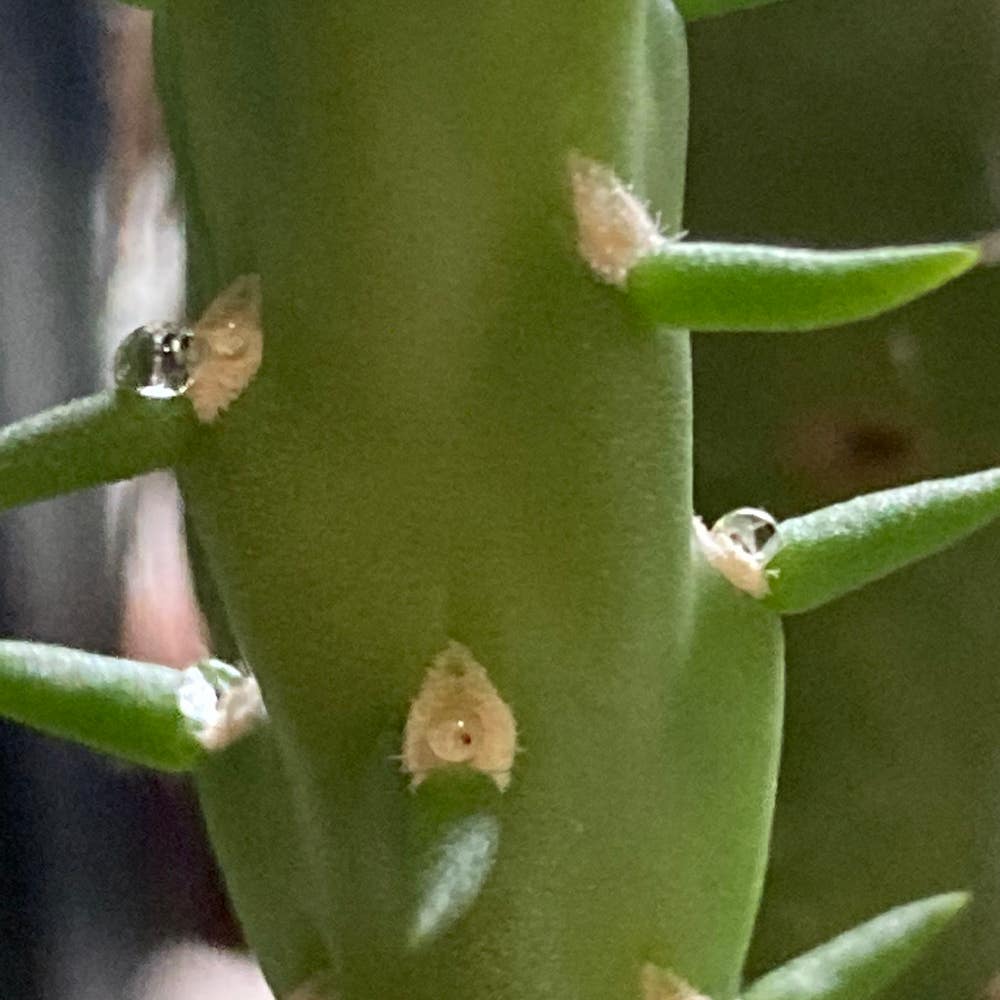
What Is A Good Temperature Range For My Staghorn Cholla?
Cylindropuntia versicolor
By the Greg Editorial Team
Apr 24, 2024•4 min read
This article was created with the help of AI so we can cover more plants for you. May contain errors. See one? Report it here.
Ensure your Staghorn Cholla flourishes by mastering its ideal temperature range—say goodbye to stress signs! 🌵🌡️
- Day 70°F-90°F, Night 50°F-60°F is ideal for Staghorn Cholla.
- Watch for stress signs like discoloration and brittleness above 90°F.
- Combat heat stress with shade, air circulation, and proper pot choice.
When It's Just Right: Staghorn Cholla's Happy Temperature Zone
🌡️ The Goldilocks Range for Growth
Daytime temperatures for the Staghorn Cholla should hover between 70°F to 90°F (21°C to 32°C). At night, a drop to 50°F to 60°F (10°C to 15°C) is ideal, echoing the desert's natural rhythm. This cactus thrives on these shifts, showcasing its remarkable adaptability to seasonal changes.
🥵 Too Hot to Handle?
When the mercury climbs above 90°F (32°C), your Staghorn Cholla might start to feel the strain. Signs of stress, such as discoloration and brittleness, can become evident. To combat the heat, provide shade and ensure good air circulation. Remember, it's about keeping your cactus cool, not turning your home into a walk-in fridge.
Signs Your Staghorn Cholla Is Feeling the Heat (or Chill)
🌡️ Spotting the Symptoms of Temperature Stress
Discoloration and brittle skin are telltale signs your Staghorn Cholla might be throwing a temperature tantrum. If it's too hot, the plant's skin may start looking like it's had a bad day at the beach—sunburned and dehydrated. On the flip side, a cholla that's too cold might sport brown, crispy edges, like a salad leaf forgotten in the fridge. These symptoms are not just cosmetic; they're distress signals affecting your plant's health.
Turning Down the Temperature
When your Staghorn Cholla looks like it's feeling the heat, it's time for some shade and a breeze. Move it to a cooler spot or provide some protection from the midday sun. If it's shivering in the cold, wrap it up in a warmer location, away from drafts. These steps are like hitting the snooze button on your plant's stress alarm, giving it a chance to recover and thrive.
Common Culprits: What Throws Off the Temperature Balance?
🌬️ External Factors You Can Control
Drafts and heating sources can wreak havoc on your Staghorn Cholla's comfort zone. Keep it away from the whims of indoor climate systems. A window cracked open in winter or a radiator on full blast could spell trouble.
Positioning is key. Place your cactus in a spot that avoids these temperature roller coasters. Shelter it from the elements by choosing a stable environment, away from direct blasts of air or heat.
🏺 Internal Factors You Might Miss
The pot you choose is more than a home; it's a temperature moderator. Terracotta pots can shield your Staghorn Cholla's roots from extreme fluctuations, while plastic might leave them vulnerable.
Soil temperature is influenced by the pot material and the surrounding environment. Be mindful of this often overlooked detail. It's not just about the air around the plant; the ground it sits on matters too.
A Quick Note on Humidity
Humidity and temperature are like dance partners for the Staghorn Cholla; they need to be in sync. Low humidity is the sweet spot for this desert dweller, creating an environment reminiscent of its arid homeland. Too much moisture in the air can lead to a host of problems, including fungal diseases that the cactus is ill-equipped to handle.
🌡️ Humidity's Role in Temperature Regulation
The right level of humidity can help mitigate temperature extremes. In a low-humidity setting, the Staghorn Cholla can better tolerate the heat, as the air allows for more efficient evaporation and cooling. Conversely, high humidity can trap heat, making it feel hotter than it actually is, which can stress the plant.
🌬️ Keeping Humidity in Check
To maintain optimal humidity levels, avoid placing your Staghorn Cholla in overly damp environments. Indoor care might involve using a dehumidifier if you're in a particularly moist climate. Outdoors, ensure good air circulation around the plant to prevent stagnant, humid air from enveloping it.
💧 Watering Wisdom
When it comes to watering, less is more. Overwatering can increase humidity levels around the soil, which is a no-go for this cactus. Water sparingly, allowing the soil to dry out completely between watering sessions. This practice not only keeps the roots healthy but also maintains the desired humidity levels.
Remember, the Staghorn Cholla thrives in conditions that would make other plants wilt. By keeping the humidity low, you're giving it a slice of desert life, right in your own home or garden.
⚠️ Safety First
This content is for general information and may contain errors, omissions, or outdated details. It is not medical, veterinary advice, or an endorsement of therapeutic claims.
Always consult a qualified healthcare professional before using any plant as food, medicine, or supplement.
Never eat any plant (or feed one to pets) without confirming its identity with at least two trusted sources.
If you suspect poisoning, call Poison Control (800) 222-1222, the Pet Poison Helpline (800) 213-6680, or your local emergency service immediately.
Spotted an error? Please report it here.
Ensure your Staghorn Cholla is flourishing 🌵 with Greg's custom environment tracking and tailored advice to keep it in its ideal temperature sweet spot.