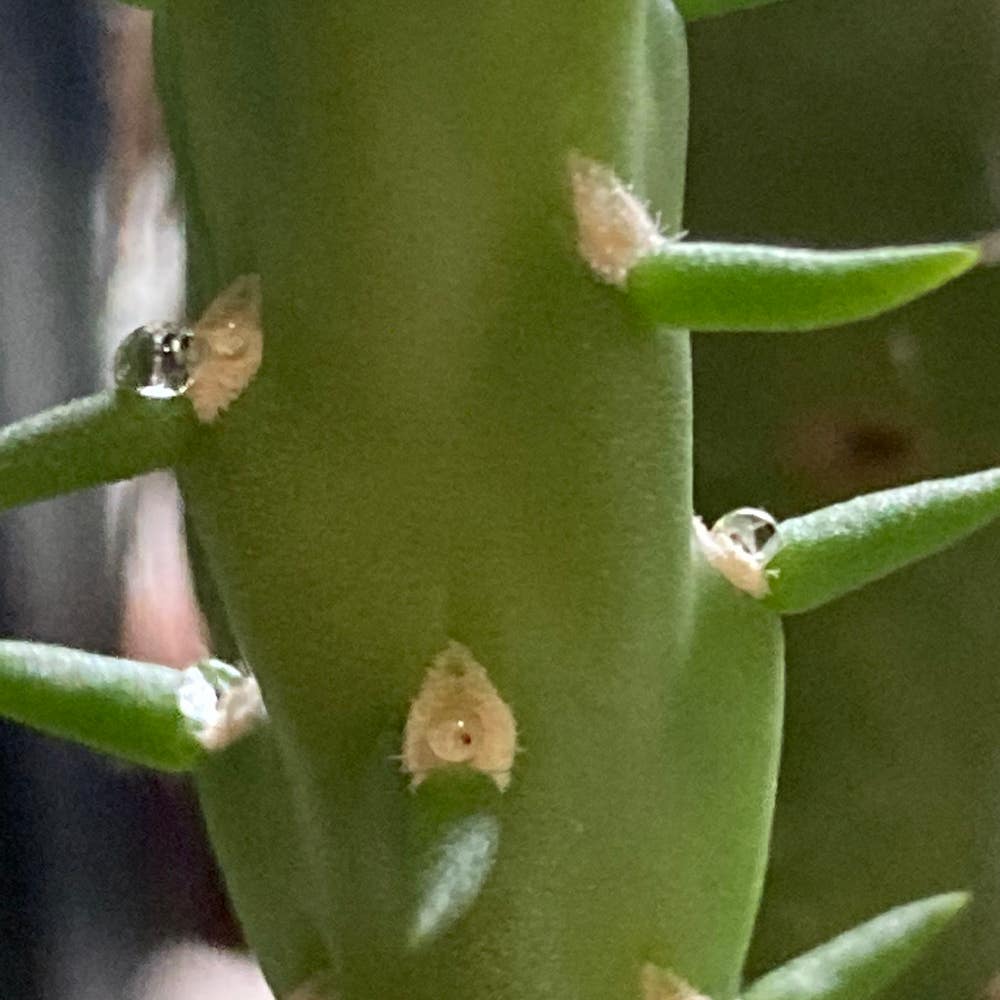
How Do I Propagate My Staghorn Cholla?
Cylindropuntia versicolor
By the Greg Editorial Team
Apr 24, 2024•5 min read
This article was created with the help of AI so we can cover more plants for you. May contain errors. See one? Report it here.
Grow a desert oasis 🌵 by mastering Staghorn Cholla propagation with these easy, fail-proof techniques!
- Offsets, stem cuttings, or seeds—choose your propagation method.
- 🌱 Use well-draining soil and pots with drainage holes.
- Prevent issues with sterilized tools and consistent conditions.
Getting Started with Offsets
🌱 Identifying and Harvesting Offsets
Offsets are your ticket to Staghorn Cholla multiplication. Spot the plump ones, mini doppelgängers of the parent plant, ready to strike out on their own. When they're ripe for the picking, twist them off with a gentle hand. If they play hard to get, a sterilized knife will do the trick—clean cuts prevent a world of trouble.
🌱 Planting Your Offsets
Soil is not just dirt; it's the bedrock of your offset's new life. Mix it like you mean it—well-draining is non-negotiable. Choose a pot that's cozy but not claustrophobic, with drainage holes to dodge the dreaded root rot. Plant your offsets shallow, let them stand tall, and resist the urge to bury them alive. In the early weeks, water like you're walking on eggshells—sparingly. Find a bright spot for your potted prodigies, away from the scorching sun, and watch them grow without getting a sunburn.
Stem Cuttings: A Step-by-Step Guide
🌱 Choosing and Preparing Your Cuttings
Selecting the right stem is like picking the best athlete for your team; you want vigor and health. Look for stems that are firm, green, and show no signs of distress. Sterilize your cutting tools with alcohol to prevent infection. Make your cut below a node at a 45-degree angle to increase the surface area for roots and help the stem absorb more water. Strip off any lower leaves to prevent rot and leave a few at the top for photosynthesis.
🌿 Rooting Your Cuttings
Rooting mediums are the nurseries for your future plants. Choose between soil or water, knowing that soil offers stability while water provides transparency in monitoring root development. If you opt for soil, ensure it's well-draining and consider using a rooting hormone to give your cuttings a leg-up. For water rooters, use filtered or distilled to avoid chemicals. Submerge the cut end, but keep those leaves dry to prevent decay. Patience is key; roots take time to develop, so don't rush the process.
Seed Propagation: From Pod to Plant
🌱 Harvesting and Prepping Seeds
After your Staghorn Cholla has put on its floral show, the real magic happens. The seed pods mature, and it's time to harvest. Timing is crucial; wait for the pods to dry on the plant. When they're ready, they'll practically invite you to collect them.
Collecting Seeds
Gently pluck the dry pods and crack them open to reveal the treasure trove of seeds. Cleanliness is key; remove any clinging pulp or plant residue to avoid fungal nightmares. A fine mesh strainer isn't just for the kitchen—it's perfect for this task.
Prepping for Planting
Once the seeds are liberated from their pods, let them air-dry. This isn't a process to rush; give them a day or two to shed any residual moisture. Think of it as a mini spa retreat for seeds, prepping them for the journey ahead.
🌱 Sowing and Caring for Seeds
Sowing Staghorn Cholla seeds isn't rocket science, but it does require a bit of finesse. You're setting the stage for a tiny botanical performance.
Creating the Perfect Bed
Mix a well-draining soil blend, like a duet of potting soil and perlite or sand. Sow the seeds on top—this isn't hide and seek; they need light to germinate. Gently press them into the soil without burying them.
Maintaining Conditions
Keep the soil moist, but not soggy—think damp sponge, not wet mop. Cover the seeds with clear plastic to create a humidity haven. It's like a mini greenhouse effect, without the glass.
Patience and Observation
Watch for the first signs of germination. When those first true leaves appear, it's a small victory. But don't rush to transplant; your seedlings will signal when they're ready for the big move.
Overcoming Propagation Pitfalls
🌱 Common Issues and Solutions
Rooting woes can dampen your propagation spirits. For stem cuttings, root rot is a notorious party crasher. Prevent it by ensuring your soil has excellent drainage and by not overwatering. If you're dealing with offsets, they might need a nudge with rooting hormone to establish their independence. Remember, a little space from the mother plant can work wonders.
For seeds that are stubborn to germinate, a warm and moist environment is your best bet. Think of it as a cozy incubator for your future plants. If you're staring at a no-show of roots, it's time to play detective. Keep a log of your care routine; it's your roadmap to uncovering what's amiss.
🌿 Environmental Factors for Success
Your propagation environment should be less like a tropical rainforest and more like a controlled oasis. Good airflow is crucial to prevent fungal infections that thrive in stagnant, humid conditions. Keep the soil damp, not soggy, to avoid damping off—a condition where seedlings collapse faster than a house of cards.
Consistent temperatures are key; avoid the rollercoaster of highs and lows that can stress your young plants. If your cuttings or seedlings are growing at a snail's pace, don't rush them. Patience is your silent partner in the propagation game.
When it comes to pests, be vigilant. A quick spritz of insecticidal soap or neem oil can send those freeloaders packing. And always, always use sterilized tools and pots to keep diseases at bay. Remember, cleanliness is next to propagation success.
⚠️ Safety First
This content is for general information and may contain errors, omissions, or outdated details. It is not medical, veterinary advice, or an endorsement of therapeutic claims.
Always consult a qualified healthcare professional before using any plant as food, medicine, or supplement.
Never eat any plant (or feed one to pets) without confirming its identity with at least two trusted sources.
If you suspect poisoning, call Poison Control (800) 222-1222, the Pet Poison Helpline (800) 213-6680, or your local emergency service immediately.
Spotted an error? Please report it here.
Propagate your Staghorn Cholla effortlessly 🌵 with Greg's tailored reminders and care tips, ensuring your offsets and seedlings flourish.