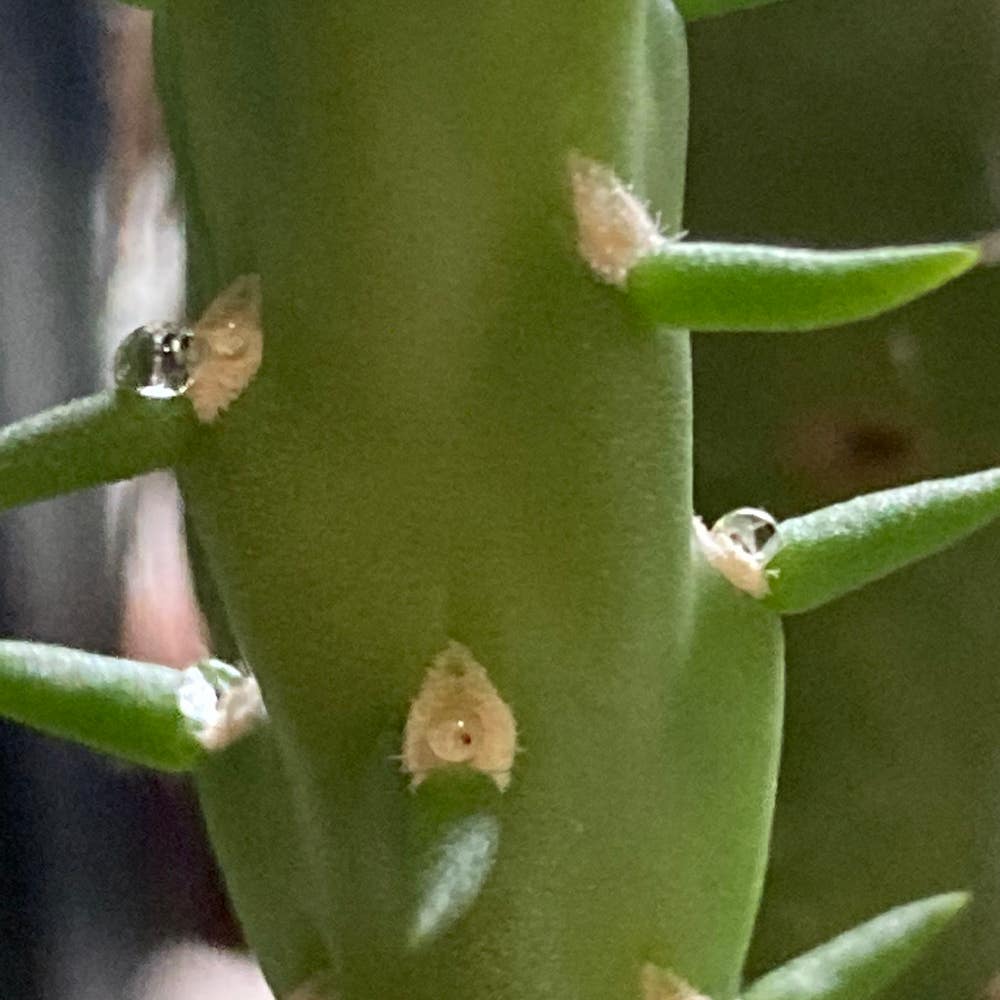
Why Are My Staghorn Cholla Leaves Mushy?
Cylindropuntia versicolor
By the Greg Editorial Team
Apr 24, 2024•4 min read
This article was created with the help of AI so we can cover more plants for you. May contain errors. See one? Report it here.
Rescue your Staghorn Cholla from mushiness and rot with these lifesaving tips! 🌵🛠
- 🌵 Overwatering? Look for yellow stems and a spongy base.
- Root rot and fungus show as mushy roots and brown spots.
- Prevent mushiness with dry soil, good drainage, and balanced humidity.
Spotting the Trouble: Signs Your Staghorn Cholla is Too Mushy
💦 Overwatering Woes
Yellowing stems and a base that feels like a wet sponge are screaming that you've gone overboard with the watering can. If the soil around your Staghorn Cholla squishes under pressure, it's not just wet; it's waterlogged.
🌱 Root Rot: The Hidden Menace
When your plant's roots resemble overcooked pasta, it's an SOS. A foul smell and stunted growth are like a bad date; they're not going anywhere good. If the roots have turned to a mushy, brown mess, you're dealing with root rot, often due to overzealous watering and inadequate drainage.
🍄 Fungal Fiascos
Spotting mold or a fungal rave on the soil's surface is a red flag. Brown spots and a mushy feel to the leaves are cries for help. If the stems have the firmness of a limp handshake, it's time for a fungal intervention.
First Aid for Mushy Leaves
🌊 Rescuing from Overwatering
When your Staghorn Cholla's leaves turn to mush, it's crunch time. Here's how to bring it back from the brink:
- Snip the Soggy: Sterilize your scissors and cut away the mush. Think of it as a precision strike on the damage.
- Dry-Out Drill: Let the plant's soil dry out completely. Only water when the topsoil is as dry as a stand-up comedian's humor.
- Potting Protocol: Consider repotting with a well-draining mix. The right pot should fit like yoga pants—snug but breathable.
🌱 Root Rot Rehab
Root rot is like a stealthy ninja attacking your Cholla's roots. Here's how to fight back:
- Root Inspection: Gently remove the plant and examine the roots. If they're mushier than overcooked noodles, it's time for surgery.
- Trim the Dead: With sterilized tools, cut away the rotted roots. Leave only the healthy ones to stage a comeback.
- Breathing Space: Before repotting, let the roots air out. It's like giving them a moment to catch their breath after a narrow escape.
🍄 Fungus Among Us: Getting the Upper Hand
Fungal infections are the party crashers of the plant world. Here's how to shut them down:
- Fungicide Selection: Choose your fungicide wisely. Copper-based for fungal foes, bactericide for bacterial baddies.
- Application Precision: Follow the instructions like they're a secret recipe. Overuse is just as bad as the disease.
- Monitor and Adapt: Keep an eye on your plant's recovery. If the situation worsens, call in the plant specialists—it's their time to shine.
Prevention is Better Than Cure: Keeping Leaves Firm
💧 Mastering the Art of Watering
Goldilocks had it right—not too much, not too little, just right. That's your mantra for watering Staghorn Cholla. Wait for the soil to dry an inch down, then drench it. Think of it as a desert downpour followed by sunny days.
🚰 Drainage: Your Cholla's Best Friend
Your Cholla's roots despise a bath. Ensure your potting mix is as airy as a mountain breeze and your pot as drain-friendly as a colander. Terra cotta pots are the MVPs here, letting roots breathe easy.
🌱 Soil and Pot Perfection
Mixing soil for your Cholla is like crafting a fine cocktail—equal parts sand, perlite, and peat moss. Balance is key. Choose a pot that's more about function than fashion, with holes that could make a sieve jealous.
🌬 Crafting the Ideal Cholla Climate
Humidity and airflow need to be in harmony like a well-tuned orchestra. Keep the air moving; a stagnant room is the enemy. And humidity? Think dry thoughts. A pebble tray or a discreet fan can work wonders.
🌵 Balancing Humidity and Airflow for Optimal Health
Imagine your Cholla in a convertible—wind in its spines, dry warmth all around. That's the vibe you're going for. Rotate your pots for an even tan and consider mulch for moisture management without the muck.
⚠️ Safety First
This content is for general information and may contain errors, omissions, or outdated details. It is not medical, veterinary advice, or an endorsement of therapeutic claims.
Always consult a qualified healthcare professional before using any plant as food, medicine, or supplement.
Never eat any plant (or feed one to pets) without confirming its identity with at least two trusted sources.
If you suspect poisoning, call Poison Control (800) 222-1222, the Pet Poison Helpline (800) 213-6680, or your local emergency service immediately.
Spotted an error? Please report it here.
Avoid the dreaded mushy leaves by letting Greg schedule your waterings 📅 to ensure your Staghorn Cholla gets just the right amount of hydration without the guesswork.