🐛 What To Do About Bugs on My Staghorn Cholla?
Cylindropuntia versicolor
By the Greg Editorial Team
Apr 24, 2024•5 min read
This article was created with the help of AI so we can cover more plants for you. May contain errors. See one? Report it here.
Defend your Staghorn Cholla 🌵 from bug invasions with expert pest-busting tips!
- 🕸️ Spider mites show webbing; use water spray or neem oil.
- Scale insects hide under leaves; remove with toothpick/alcohol swab.
- Prevent pests with inspections, cleanliness, and proper plant care.
Spot the Invaders: Identifying Common Pests
🕷️ Spider Mites
Webbing and leaf damage are telltale signs of spider mites on your Staghorn Cholla. These minuscule critters love to hang out on the undersides of spines, spinning their silk-like threads.
The Spider Mite Smackdown
For a Staghorn Cholla under siege, a strong water spray can dislodge these pests. If they're stubborn, bring out the neem oil or insecticidal soap. Remember, they're nearly microscopic, so inspect your plant closely.
🦟 Scale Insects
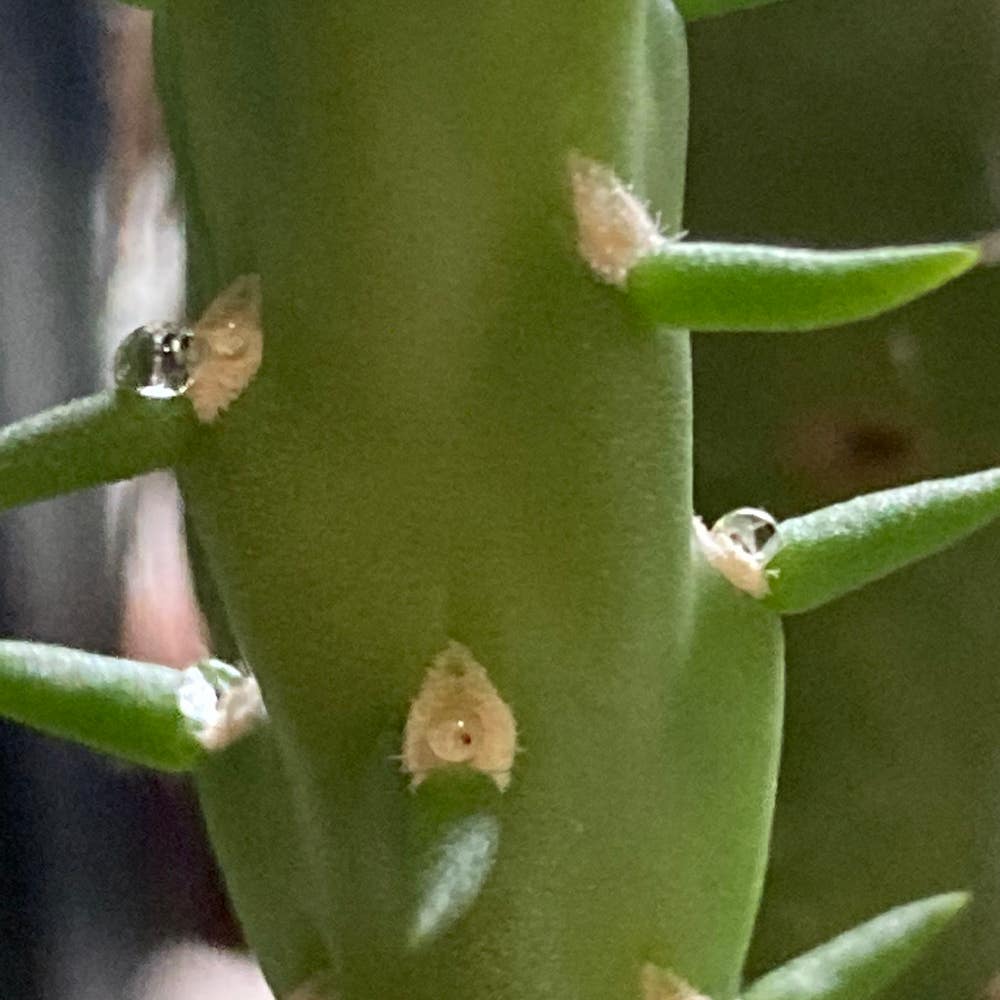
Scale insects are sneaky, resembling small, bumpy growths that blend with your cactus's coloration. They're often found under leaves or tucked in crevices.
Scale Warfare
To combat these sticky foes, use a toothpick or an alcohol-dipped swab to pick them off. For a full-blown infestation, systemic insecticides might be your best bet.
🦟 Fungus Gnats and Fruit Flies
A cloud of tiny black flies is a red flag for fungus gnats or fruit flies. These pests thrive in moist soil, and you might spot their larvae below the soil line.
Grounding the Gnats
To control these pests, let the soil dry out between waterings and consider using yellow sticky traps to catch the adults.
🐞 Mealybugs
Cottony clusters in the nooks of your cactus are a dead giveaway for mealybugs. They also leave behind sticky honeydew and black sooty mold.
Mealybug Meltdown
Eradicate mealybugs by wiping them with alcohol or applying insecticidal soap. For a severe infestation, you may need to resort to systemic treatments.
Other Uninvited Guests
🐜 Aphids
Clusters of tiny, pear-shaped insects on your Staghorn Cholla? Those are aphids. They're notorious for their sap-sucking sprees, leaving behind a sticky mess called honeydew.
Ants around your plant might indicate an aphid issue, as they farm aphids for their sweet secretions. To combat these pests, a strong water jet can dislodge them, or introduce natural predators like ladybugs to turn the tide in your favor.
🦗 Thrips
Thrips are the ninjas of the pest world, often going unnoticed with their slender bodies. They leave behind silvery trails and black specks of waste on your Staghorn Cholla.
To thwart thrips, consistent application of neem oil or insecticidal soap can help. These treatments act like a bouncer, showing these stealthy pests the door. Remember, regular plant inspections are crucial for early detection and control.
The Prevention Protocol
🐞 Keeping a Bug-Free Zone
Regular inspections are your Staghorn Cholla's best friend. Flip those leaves, peek along the stems, and make it a habit. It's like a security pat-down for your cactus, ensuring no bugs are sneaking in. Cleanliness is a close second; clear out the dead plant matter before it becomes a bug hotel.
🚫 The Quarantine Conundrum
When new plants arrive, think of them as potential bug mules. Isolate them for at least a few weeks. It's not paranoia; it's protection. This quarantine acts as a buffer, keeping your existing plants safe from any pest stowaways.
🌿 Environmental Tactics
Your Staghorn Cholla's environment should be less inviting to pests than a freezer is to a sunbather. Adjust care with the seasons—more water when it's hot, less when it's not. Ensure the soil drains like a sieve to avoid soggy conditions. Proper airflow and sunlight are like an invisible shield against the buggy brigade. Keep your cactus strong and pests will think twice before setting up camp.
When to Call in the Cavalry: Seeking Professional Help
Recognizing when home remedies aren't cutting it is crucial. Persistent pests or severe outbreaks that spread rapidly are clear indicators that it's time to seek professional help.
🚨 Recognizing the Limits of DIY
If you've tried every trick in the book and your plant is still a bug buffet, it's time to call in the pros. Persistent pests or severe outbreaks that spread like wildfire are clear signs that your efforts might be in vain.
⏱ Act Swiftly, But Wisely
Don't wait until your plant is a goner. The earlier you seek help, the better the chances of recovery. But remember, always vet your chosen expert. Ensure they have a plan that won't turn your home into a no-fly zone for all things winged.
💼 The Benefits of Expert Intervention
Consulting with a plant health specialist brings a wealth of expertise to your doorstep. They have access to tools and treatments beyond the scope of your local garden center. Plus, there's the undeniable peace of mind that comes with knowing a pro is on the case.
📜 Check Credentials
Ensure they're certified and know their aphids from their elbow. You want someone who won't douse your plant in something that'll make it go from green to gone.
🚩 Indicators That It's Time for Professional Help
- Rapid pest population growth that you can't curb.
- Visible plant stress or decline despite treatment.
- Recurring issues after multiple treatment attempts.
🏳️ When to Wave the White Flag
- Persistent pests after repeated treatments
- A sudden, severe outbreak that's spreading like wildfire
- You've spotted damage that's beyond your ken, and the plant's health is nosediving
🐜 What to Expect from Professional Pest Control
Safety first: gear up with information about the treatments they propose, and don't be shy to ask questions. After all, it's your green buddy's life on the line.
⚠️ Safety First
This content is for general information and may contain errors, omissions, or outdated details. It is not medical, veterinary advice, or an endorsement of therapeutic claims.
Always consult a qualified healthcare professional before using any plant as food, medicine, or supplement.
Never eat any plant (or feed one to pets) without confirming its identity with at least two trusted sources.
If you suspect poisoning, call Poison Control (800) 222-1222, the Pet Poison Helpline (800) 213-6680, or your local emergency service immediately.
Spotted an error? Please report it here.
Keep your Staghorn Cholla pest-free 🌵 by tapping into Greg's community for advice and setting up custom care reminders that make bug busting a breeze!