Why Is My Rebutia marsoneri Not Doing Well?
Rebutia marsoneri
By the Greg Editorial Team
Apr 10, 2024•5 min read
This article was created with the help of AI so we can cover more plants for you. May contain errors. See one? Report it here.
- Over-watering leads to mushiness, under-watering to shriveling; adjust watering accordingly.
- 🌵 Bright, indirect light and stable temps between 65°F to 80°F are ideal.
- Inspect for pests and fungi regularly, and take prompt action if detected.
When Water Woes Wilt Your Rebutia
💧 Spotting the Signs of Water Stress
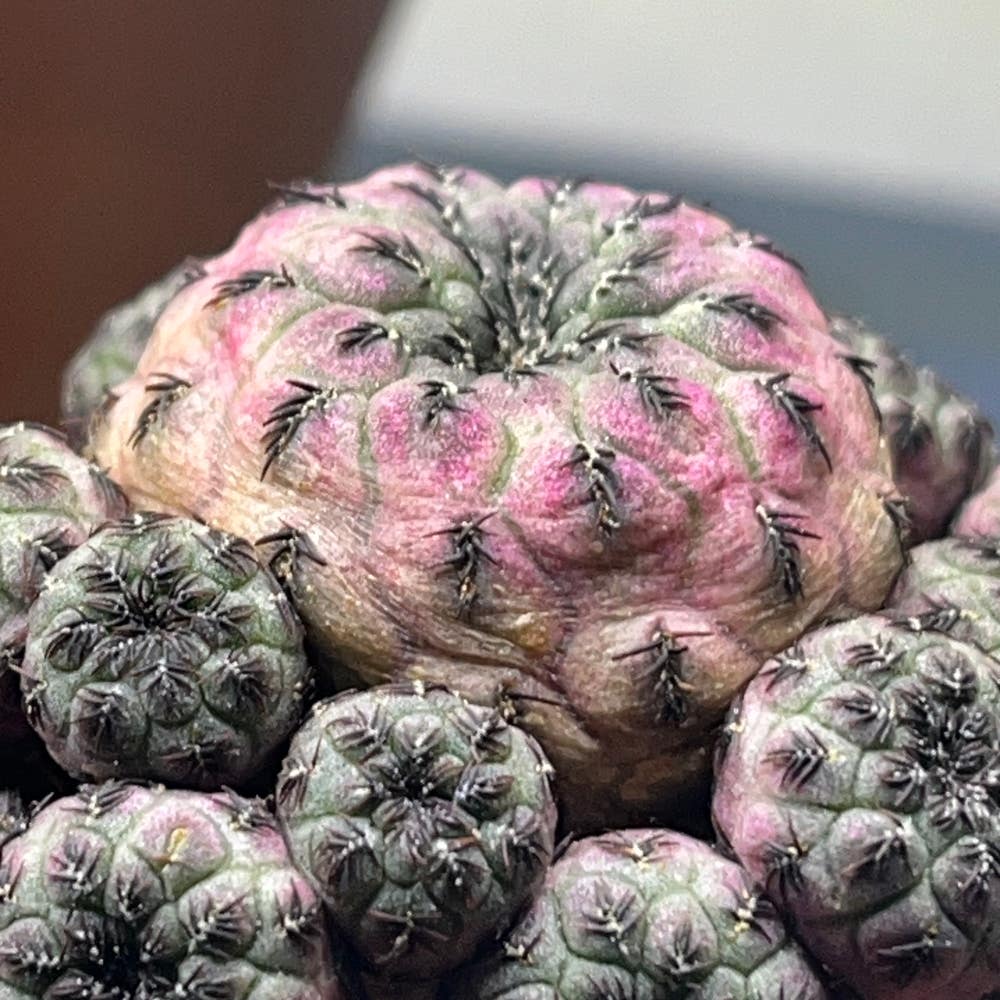
Over-watering turns your Rebutia marsoneri into a squishy, yellow mess, much like overcooked pasta. On the other end, under-watering leaves it shriveled and desperate, akin to a neglected houseplant in a vacationer's home.
Mushy stems and a funky smell? You've been too generous with the H2O. Dry, wrinkly skin? Your cactus is parched. Adjust your watering based on these telltale signs, not just the calendar.
🚰 Fine-Tuning Your Watering Technique
Watering is an art form for cactus enthusiasts. The golden rule: let the soil dry out before the next watering session. A heavy pot signals over-watering, while a light one screams for hydration.
Seasons change, and so should your watering habits. Less in winter, slightly more during the scorchers. Always check the soil's moisture with a trusty finger test. Good drainage is your best friend—ensure your pot has holes to avoid a waterlogged tragedy.
Light and Temperature: The Balancing Act
🌞 Sunburn and Shade: Finding the Sweet Spot
Your Rebutia marsoneri is a bit of a diva when it comes to lighting. Too much sun, and it's like a vampire at a beach party—total meltdown. Leaves curling up or getting crispy? That's your cactus throwing shade at the excessive light. On the flip side, if it's stretching out like it's doing yoga, craving every sliver of light, it's not getting enough. Bright, indirect light is the sweet spot—think of that cozy corner that's sunny but not sunbaked.
Keeping the Heat Just Right
Now, let's talk temperature. These cacti like it like we like our coffee—consistent. A range of 65°F to 80°F keeps them perky. Below 55°F, and they're shivering more than a wet dog in winter; above 85°F, and they might as well be baking cookies on their surfaces. Avoid placing your plant near drafts or radiators. Sudden temperature shifts are the enemy—like a surprise test in a class you didn't attend. Keep it stable, and your Rebutia marsoneri will be as content as a cat in a sunbeam—without the actual sunbeam.
Uninvited Guests: Tackling Pests
🐜 Common Culprits: Mealybugs and Spider Mites
Mealybugs and spider mites are notorious for crashing the Rebutia marsoneri party. Mealybugs masquerade as tiny cotton clusters, while spider mites are more like invisible vampires, leaving behind a trail of fine webbing and speckled, dusty-looking leaves. Flip those leaves and inspect every nook; these pests are stealthy and often go unnoticed until significant damage is done.
🦟 Pest Control: Keeping Bugs at Bay
To keep these pests at bay, vigilance is key. A strong water spray can dislodge the freeloaders, but for a persistent infestation, insecticidal soap or neem oil are your go-to weapons. If you prefer a more natural approach, introduce predators like ladybugs or lacewings into your plant's ecosystem. Regular clean-ups are essential; dust and debris are like a welcome mat for pests. Remember, isolation is crucial at the first sign of infestation to prevent an all-out epidemic.
Fungal Foes and Scorched Leaves
🍄 Fungal Nightmares: Mold and More
Spotted leaves and a musty smell? You've got a fungal party and your Rebutia marsoneri wasn't even invited. Fungi thrive in moist environments and can turn your cactus into a moldy mess.
Powdery mildew and black spots are the usual suspects. If you see them, it's time for action. Remove affected areas and consider a fungicide. Go for options like potassium bicarbonate or neem oil, and always follow the label to a T.
Air circulation is your plant's best friend here. It's like a personal bodyguard against the dampness that fungi love. Keep the leaves dry and the air moving to prevent these uninvited guests from crashing your cactus party again.
🌞 Leaf Scorch: When the Sun is Too Much
Crispy, brown edges on your Rebutia marsoneri? That's leaf scorch shouting for a break from the sun. Too much light is like a bad sunburn for your cactus.
Dial back the sunlight or play interior designer and shift your plant to a less intense spot. It's not just about reacting to those crispy leaves; it's about preventing them. Keep an eye out for brown patches or fading colors, and adjust your cactus's spot before it turns into a crispy critter.
Remember, flush the soil if you suspect chemical burns from fertilizers. And keep that environment clean—think of it as a regular detox for your plant's home.
Root Rot: The Silent Killer
🕵️♂️ Decoding the Symptoms of Root Rot
Root rot is the ninja of plant diseases, often undetected until it's too late. Wilting leaves that don't recover post-watering, yellowing foliage, and a distinct foul odor from the soil are the plant's cry for help. When roots turn from firm and white to mushy and dark, it's a clear sign of distress.
🚑 Rescuing Rotten Roots
If root rot has infiltrated your Rebutia marsoneri, it's time for an emergency intervention. Unpot the plant gently to assess the damage. Healthy roots are firm and light-colored; anything soft and dark needs to go. Use sterilized shears to cut away the affected parts. After surgery, repot your cactus in fresh, well-draining soil to give it a new lease on life. Adjust your watering habits; overwatering is often the root cause of the problem. Prevention is key—ensure the soil dries out between waterings and consider using a fungicide as a precautionary measure. Keep a vigilant eye on your plant's watering needs to avoid a repeat performance.
⚠️ Safety First
This content is for general information and may contain errors, omissions, or outdated details. It is not medical, veterinary advice, or an endorsement of therapeutic claims.
Always consult a qualified healthcare professional before using any plant as food, medicine, or supplement.
Never eat any plant (or feed one to pets) without confirming its identity with at least two trusted sources.
If you suspect poisoning, call Poison Control (800) 222-1222, the Pet Poison Helpline (800) 213-6680, or your local emergency service immediately.
Spotted an error? Please report it here.
Avoid the stress of over-watering and sunburn by letting Greg provide tailored care alerts 🌵 for your Rebutia marsoneri's perfect growth environment.