🌵 How Often Should I Water My Rebutia marsoneri?
Rebutia marsoneri
By the Greg Editorial Team
Apr 10, 2024•3 min read
This article was created with the help of AI so we can cover more plants for you. May contain errors. See one? Report it here.
- 🌵 Softer cactus and dull spines? Time to water your Rebutia marsoneri.
- Use the soak and dry method: thorough watering, then wait for dry soil.
- Adjust for seasons and environment: more water in summer and dry conditions.
When to Water: Reading Your Cactus's Thirst Cues
🌵 Spotting a Thirsty Cactus
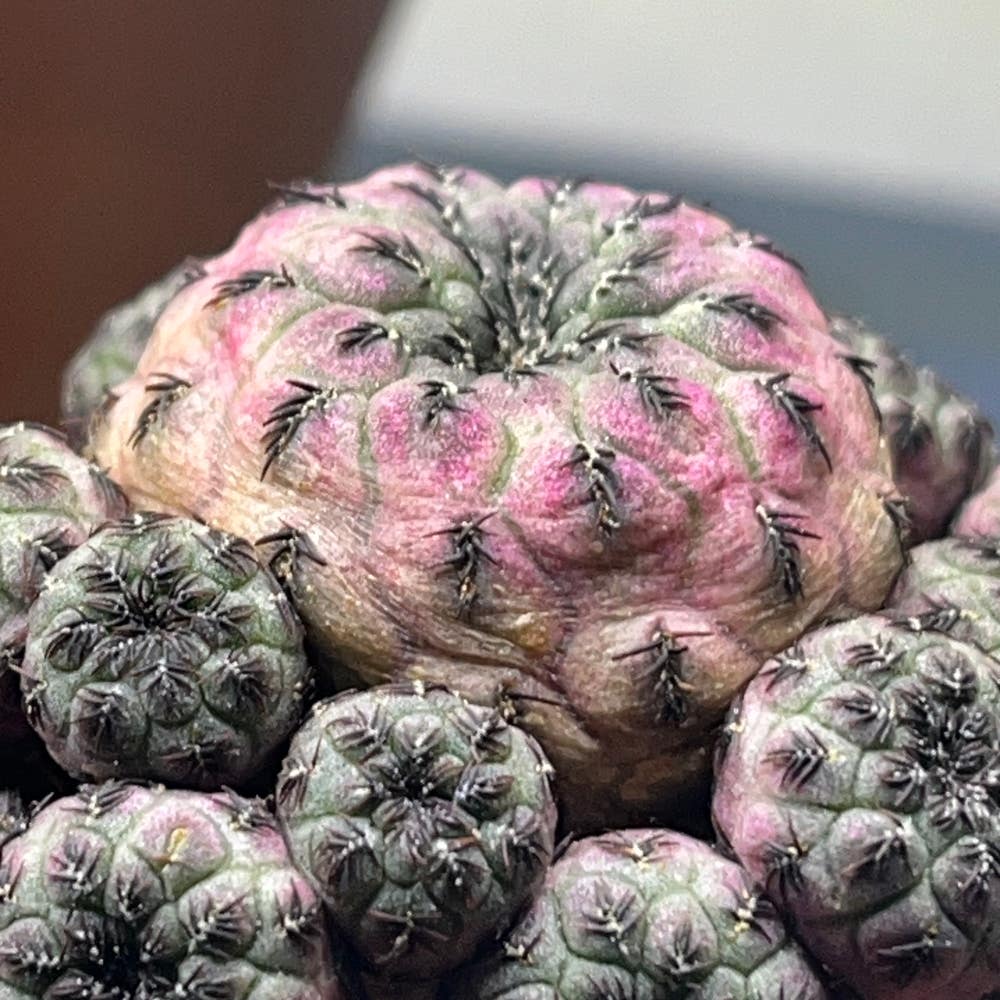
Dull spines on your Rebutia marsoneri are a red flag; it's signaling for a drink. If the cactus feels softer than usual, don't wait—hydrate. A shriveled appearance is your cue to act, but do so with a gentle hand. Overzealous watering can do more harm than good.
🚱 The Dangers of Too Much Love
Yellowing or a mushy base are the tell-tale signs of overwatering. This isn't a spa; it's a survival situation. Too much moisture invites root rot, the silent assassin of cacti. If you're feeling the soil and it's wetter than a rainforest floor, hold off on the water. Let the soil dry out completely before even thinking about giving it another soak.
Seasonal Watering Wisdom
🌞 Summer Sizzle: Quenching the Thirst
During the summer months, Rebutia marsoneri is in its element, basking in the heat and actively growing. This is the time to ramp up your watering routine, as the cactus's need for moisture increases with the temperature. Weekly watering may be necessary, but always check the soil first—it should be completely dry before you give it another drink.
❄️ Winter Woes: Slowing Down the Sips
As winter approaches, your Rebutia marsoneri's growth slows, entering a period of dormancy. This is your cue to reduce watering frequency significantly. The soil should be allowed to dry out more than usual, and water should only be given sparingly to prevent root rot. Think of it as putting your cactus on a hydration diet for the cooler months.
The Soak and Dry Method: A Rebutia Marsoneri Watering Ritual
💦 The Art of Soaking
Drench your Rebutia marsoneri until water runs free from the drainage holes—this is the soak part of the soak and dry method. It's like buying your cactus a drink; make it a good one. Ensure the water reaches deep, encouraging the roots to stretch and strengthen.
⏳ The Waiting Game
After the soak, patience is your new best friend. Let the soil dry out completely before you even glance at the watering can. This dry spell isn't neglect; it's necessary for your cactus to thrive. It's about simulating a desert, not a swamp. When the soil feels as dry as your humor, it's time for another round.
Tailoring Watering Frequency to Your Environment
💧 Home Sweet Humid Home
Humidity is like a secret handshake between your Rebutia marsoneri and the air around it. High humidity means your cactus is chilling with moisture in the air, so you can ease up on the watering. On the flip side, dry air is your cue to hydrate more often. It's a balancing act – too much water in a humid environment can lead to root rot, and too little in a dry one can stress your spiky friend.
🌞 Light and Temperature Tango
Think of light and temperature as the DJ at your cactus's party – they set the vibe for how much your plant drinks. Bright light and higher temperatures mean your Rebutia marsoneri is likely to get thirstier, so you'll need to water more frequently. Cooler temps and lower light levels? That's your plant's way of saying it's not so parched. Keep an eye on these environmental rhythms to keep your cactus grooving happily.
⚠️ Safety First
This content is for general information and may contain errors, omissions, or outdated details. It is not medical, veterinary advice, or an endorsement of therapeutic claims.
Always consult a qualified healthcare professional before using any plant as food, medicine, or supplement.
Never eat any plant (or feed one to pets) without confirming its identity with at least two trusted sources.
If you suspect poisoning, call Poison Control (800) 222-1222, the Pet Poison Helpline (800) 213-6680, or your local emergency service immediately.
Spotted an error? Please report it here.
Ensure your Rebutia marsoneri stays perfectly watered 🌵 with Greg's tailored reminders that adjust to the seasons and your home's unique environment.