Why Are There Black Spots on My Rebutia marsoneri Leaves?
Rebutia marsoneri
By the Greg Editorial Team
Apr 10, 2024•3 min read
This article was created with the help of AI so we can cover more plants for you. May contain errors. See one? Report it here.
- Fungal infections cause spots, look for circular lesions with yellow halos.
- 🌞 Sunburn and overwatering also lead to black spots; adjust light and watering.
- Treat with fungicides, ensure proper soil drainage, and avoid wet leaves.
Spotting the Culprits: Identifying Causes of Black Spots
🍄 Fungal Foes: Recognizing Signs of Infection
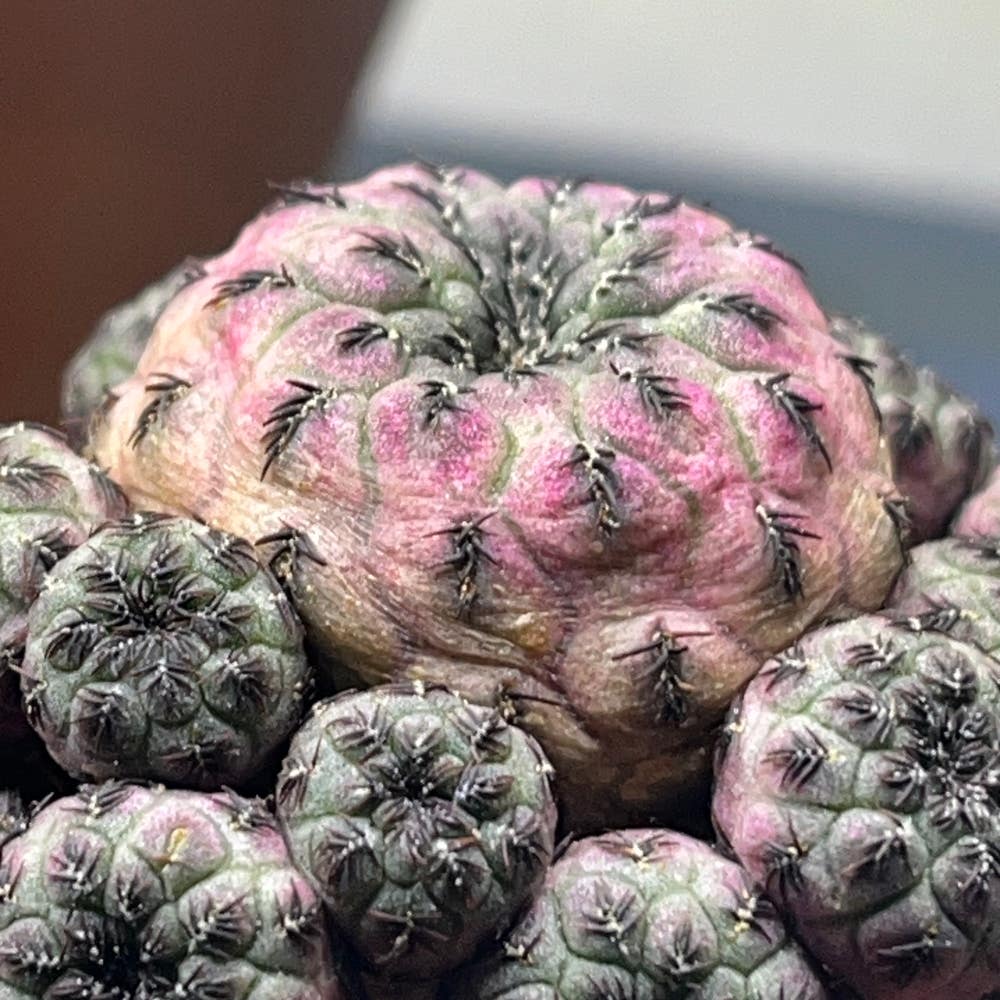
Black spots on your Rebutia marsoneri can be a red flag for fungal infections. Circular lesions or spots with a yellow halo are tell-tale signs. Fungi thrive in moist environments, so if your plant's leaves are often wet, that's an open invitation for trouble.
☀️ Sunburn Blunders: How to Tell if the Sun's the Issue
If your succulent's black spots are on the areas most exposed to light, it's likely sunburn. These spots are typically dry and crispy, a clear sign that your plant has had a bit too much fun in the sun. Gradually acclimate your plant to brighter spots to avoid these solar faux pas.
💦 Overwatering Oops: Connecting Dots Between Water and Spots
Overwatering can lead to a host of issues, including black spots. Check the roots; if they're mushy, you've gone overboard with H2O. Spots resulting from too much water are often water-soaked and can invite fungal and bacterial guests to the party, uninvited.
First Aid for Foliage: Treating Black Spots
🍄 Battling Fungus Among Us: Choosing and Using Fungicides
When fungi crash your Rebutia marsoneri's party, it's time to play bouncer. Select a fungicide that's tailored for cacti and succulents. Read labels like they're the terms and conditions of your plant's life insurance policy. Apply it to every nook and cranny, top and bottom of the leaves. Stick to the treatment schedule with the dedication of a plant parent on a mission.
☀️ Soothing Sunburned Succulents: Adjusting Light Exposure
If your Rebutia marsoneri's leaves are throwing shade for getting too much sun, it's time to dial back the rays. Reposition your plant to a spot where the light is bright but indirect, like a VIP lounge for succulents. Consider a shading net as a chic parasol for your green buddy during peak sunlight hours.
💧 Drying Out Dilemmas: Watering Wisely to Ward Off Rot
Overwatering is the equivalent of forcing your plant to wear wet socks – uncomfortable and prone to issues. Check the soil before watering; it should feel like a dry handshake. Water at the base during the early morning, allowing the plant to hydrate before the heat of the day. This routine is like a morning coffee ritual – essential and refreshing.
Keeping Spots at Bay: Prevention Tactics
Preventative measures are the armor against black spots on your Rebutia marsoneri.
💡 Climate Control: Ensuring Ideal Light and Temperature
Bright, indirect sunlight is the sweet spot for your cactus. Too much sun can lead to a sunburned succulent, while too little can stunt growth. Aim for a consistent temperature; avoid the Bermuda Triangle of plant care—too hot, too cold, or a wild swing between the two.
🚰 Water Wisdom: Perfecting Your Watering Routine
Watering is an art—precision is key. Check the soil before watering; it should feel like a wrung-out sponge. Overwatering is like sending out invites to a fungal rave. Ensure your pot has drainage holes to avoid soggy soil parties.
🍽️ Soil Savvy: Mixing the Right Medium for Moisture Management
Choose a pot that breathes like unglazed clay and mix soil that drains faster than a detective fleeing a crime scene. A blend of sand, perlite, and potting soil will keep your cactus's feet dry and fungus-free. Remember, overzealous mulching is a no-no; a 3-inch layer is your limit.
Regular inspections and seasonal care adjustments are your secret weapons. Keep an eye out for early signs of trouble and act swiftly. By adopting these preventative measures, you're not just tending to a plant; you're cultivating resilience.
⚠️ Safety First
This content is for general information and may contain errors, omissions, or outdated details. It is not medical, veterinary advice, or an endorsement of therapeutic claims.
Always consult a qualified healthcare professional before using any plant as food, medicine, or supplement.
Never eat any plant (or feed one to pets) without confirming its identity with at least two trusted sources.
If you suspect poisoning, call Poison Control (800) 222-1222, the Pet Poison Helpline (800) 213-6680, or your local emergency service immediately.
Spotted an error? Please report it here.
Wave goodbye to black spots and say hello to a healthy 🌵 Rebutia marsoneri with Greg's custom watering reminders that prevent overwatering and fungal issues!