🐞 What Are The Bugs on My Rebutia marsoneri?
Rebutia marsoneri
By the Greg Editorial Team
Apr 10, 2024•4 min read
This article was created with the help of AI so we can cover more plants for you. May contain errors. See one? Report it here.
- Discoloration and bite marks signal Rebutia marsoneri pests.
- Neem oil and insecticidal soap combat most cactus pests.
- Quarantine and cleanliness prevent infestations; inspect regularly.
Spotting the Enemy: Signs of Pest Infestation on Rebutia marsoneri
🐛 Unusual Marks: Spotting and Discoloration
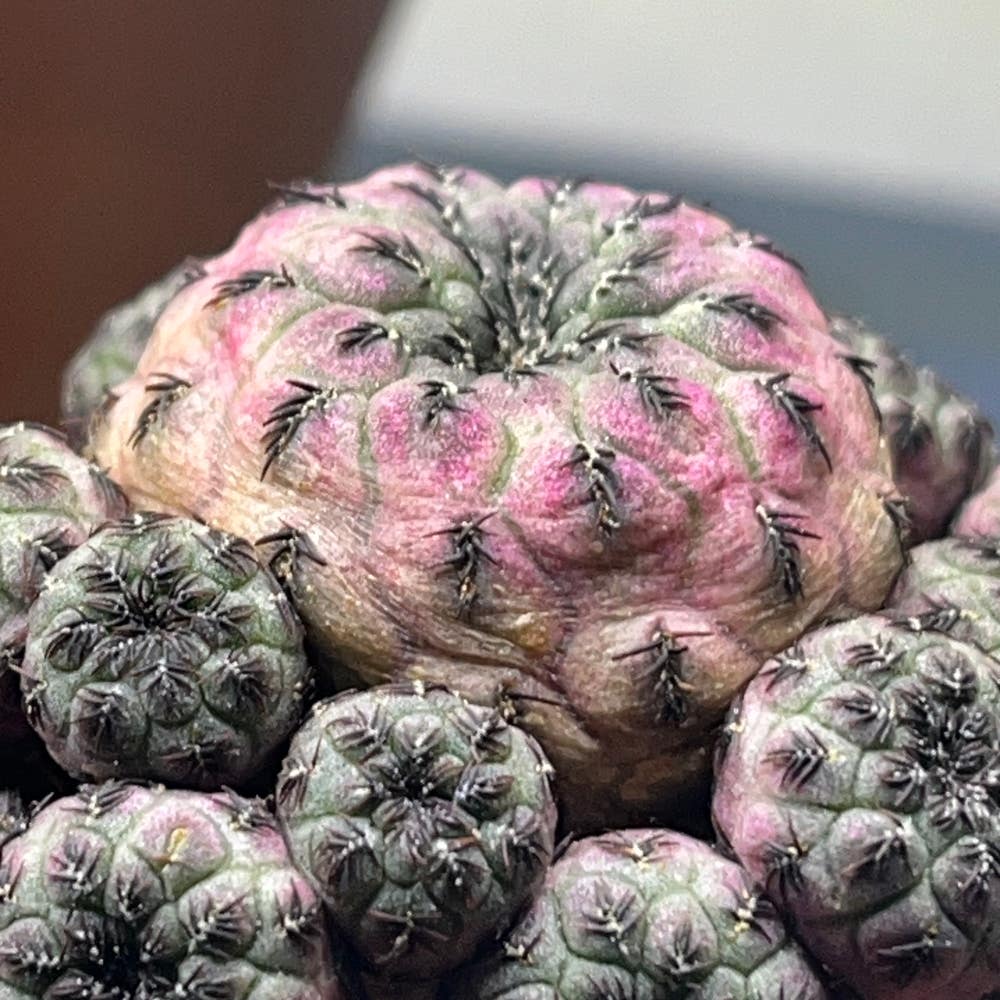
Discoloration on your Rebutia marsoneri isn't a new fashion trend; it's a distress signal. Look for spots or patches that seem out of place. These visual cues suggest your cactus is under attack from pests that are feasting on its sap.
🦷 Physical Damage: Bite Marks and Weakened Stems
If your cactus looks like it's been in a miniature boxing match, bite marks and weakened stems are the telltale signs. Pests can leave behind evidence of their munching, and over time, this can lead to a structurally compromised Rebutia marsoneri.
👀 Visible Critters: Identifying Bugs on Sight
Sometimes, the invaders are bold enough to show themselves. Visible bugs crawling on your cactus? That's a red flag. Whether they're spider mites weaving their tiny webs or scale insects hunkering down, catching them in the act is a clear sign of infestation.
The Usual Suspects: Common Pests of Rebutia marsoneri
🕷️ Spider Mites
Spotting the Web: Identifying Spider Mite Presence
Spider mites are tiny terrorists on your Rebutia marsoneri. Look for fine webbing and yellow speckles on the plant. These minuscule critters are sap-suckers, causing stunted growth and discoloration.
Specific Remedies: Targeted Treatments for Rebutia marsoneri
Combat spider mites with a direct approach. Neem oil, miticides, or insecticidal soap can be effective. Apply with precision to avoid harming your cactus.
🦠 Scale Insects
Bumps and Lumps: Recognizing Scale on Your Cactus
Scale insects can be masters of disguise, appearing as innocuous bumps. Sticky residue is a clear indicator of their presence, betraying their masquerade.
Gentle Removal: Safe Scale Treatment for Delicate Rebutia
For scales, physical removal is key. Use a soft brush or a stream of water. If they persist, opt for organic treatments like neem oil or insecticidal soap, applied with care.
🦟 Fungus Gnats and Fruit Flies
Flying Frustrations: Detecting the Presence of Gnats and Flies
Fungus gnats and fruit flies are more than a nuisance; they're a sign of overly moist soil. Spot them by their erratic flight near the plant's base.
Soil Solutions: Addressing the Root of the Problem
To tackle these pests, let the soil dry out between waterings. Consider using a soil amendment like sand or perlite to improve drainage and discourage gnats and flies.
Mealybugs and Thrips: Sticky and Sneaky Foes
🐛 Mealybugs
Cottony clusters tucked away in crevices are a dead giveaway that mealybugs have taken up residence in your Rebutia marsoneri. These pests are sap-suckers, leaving behind a sticky residue as they feast.
Alcohol and oil are your go-to weapons. A cotton swab dipped in rubbing alcohol can be a precise tool to combat these fluffy invaders. For larger infestations, neem oil or insecticidal soap sprays can be effective, but require persistence and thorough application.
🦟 Thrips
Silvery streaks and distorted leaves are telltale signs of thrips. These minuscule pests are masters of stealth, often going unnoticed until the damage is done.
Thrip thrashers include neem oil and insecticidal soaps, which can be effective against these sap-sucking nuisances. Consistent application is crucial, as thrips are persistent. Sticky traps can also help catch the adults and reduce their numbers.
Prevention: Keeping Your Rebutia marsoneri Bug-Free
🛡️ Quarantine: The First Line of Defense
Quarantine new Rebutia marsoneri like they're the star of a spy thriller—mysterious and potentially dangerous. A separate space for new plants acts as a buffer zone, giving you time to detect any covert critters.
🧹 Cleanliness: Reducing Pest Attraction
Cleanliness isn't just for show; it's a silent warrior in the fight against pests. Keep the plant's environment spick-and-span, ensuring no dead leaves or debris offer shelter to unwanted guests. Think of it as setting a no-bug zone.
👀 Monitoring: Staying Vigilant with Regular Checks
Regular checks are your plant's personal bodyguard detail. Get up close and personal with your Rebutia marsoneri, turning over leaves and inspecting nooks for signs of infiltration. Spotting bugs early is like catching a spy before they've cracked the safe.
⚠️ Safety First
This content is for general information and may contain errors, omissions, or outdated details. It is not medical, veterinary advice, or an endorsement of therapeutic claims.
Always consult a qualified healthcare professional before using any plant as food, medicine, or supplement.
Never eat any plant (or feed one to pets) without confirming its identity with at least two trusted sources.
If you suspect poisoning, call Poison Control (800) 222-1222, the Pet Poison Helpline (800) 213-6680, or your local emergency service immediately.
Spotted an error? Please report it here.
Banish pests from your Rebutia marsoneri and keep it thriving 🌵 with Greg's personalized care tips and timely reminders for inspections and treatments.