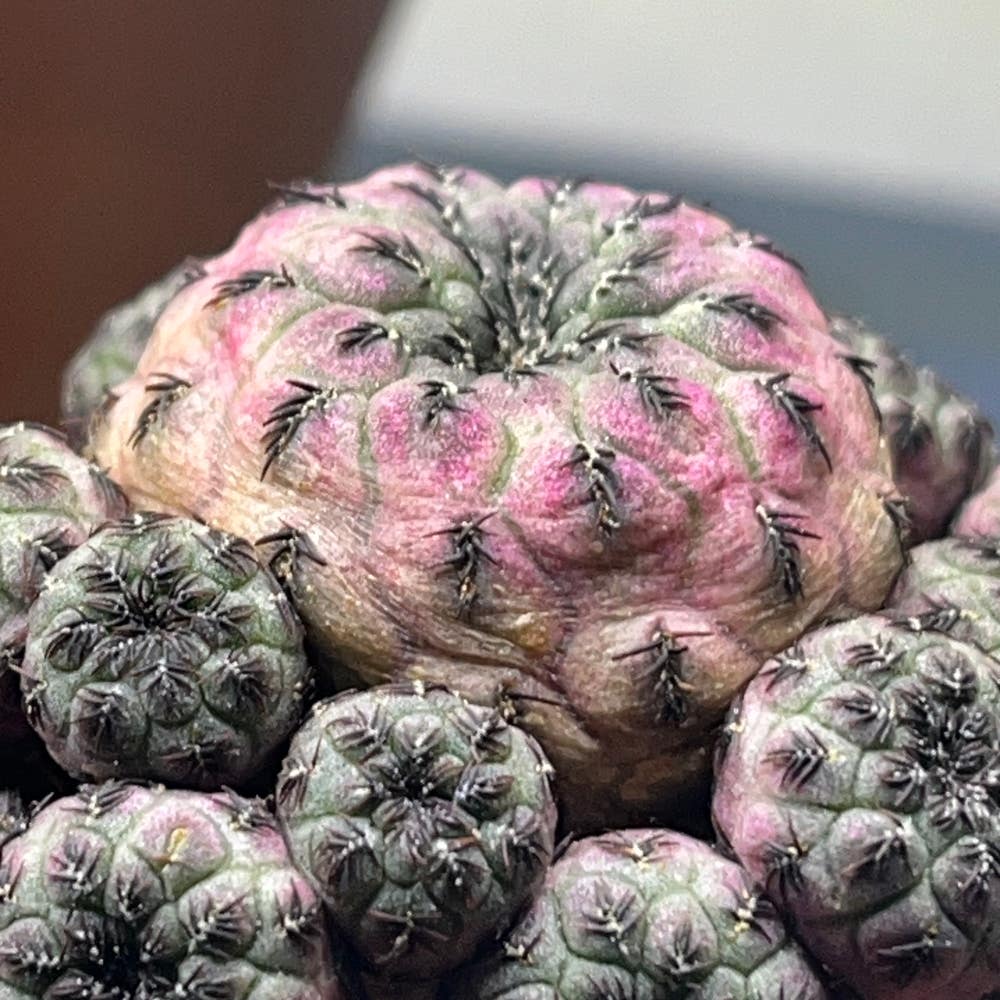
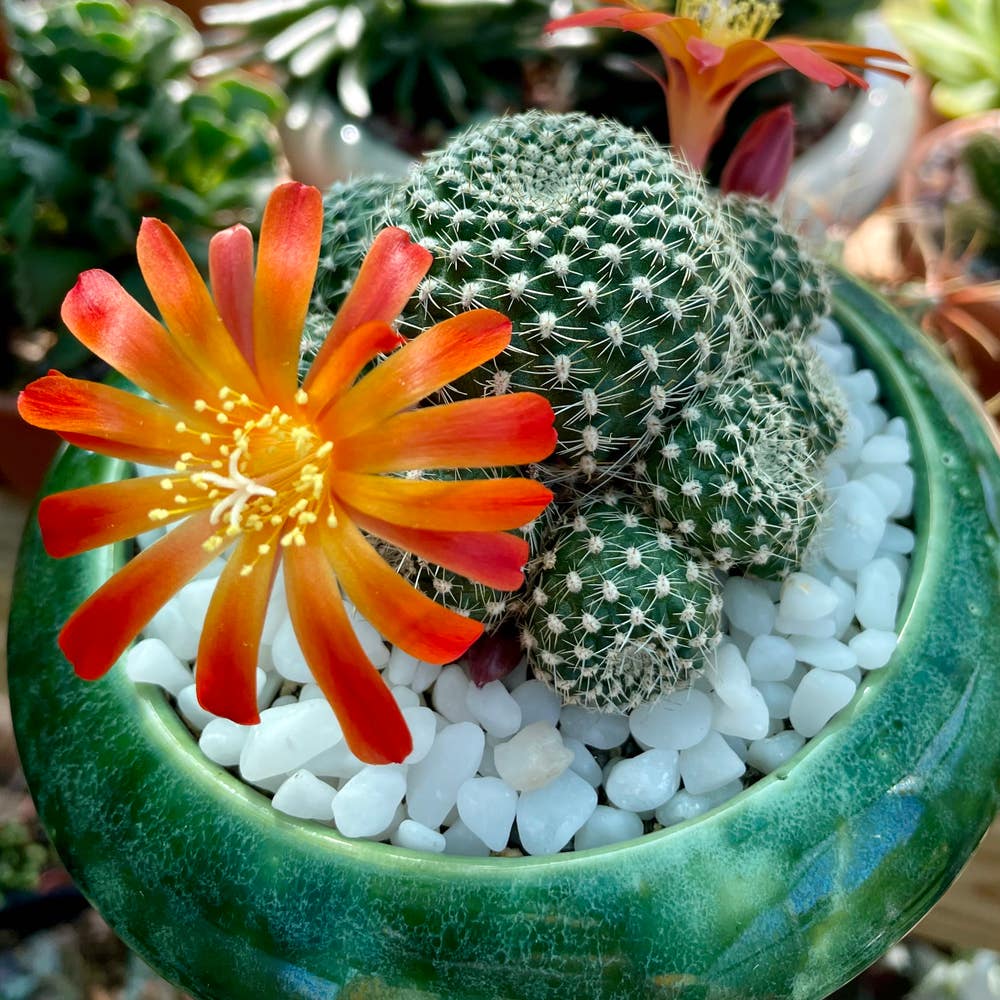
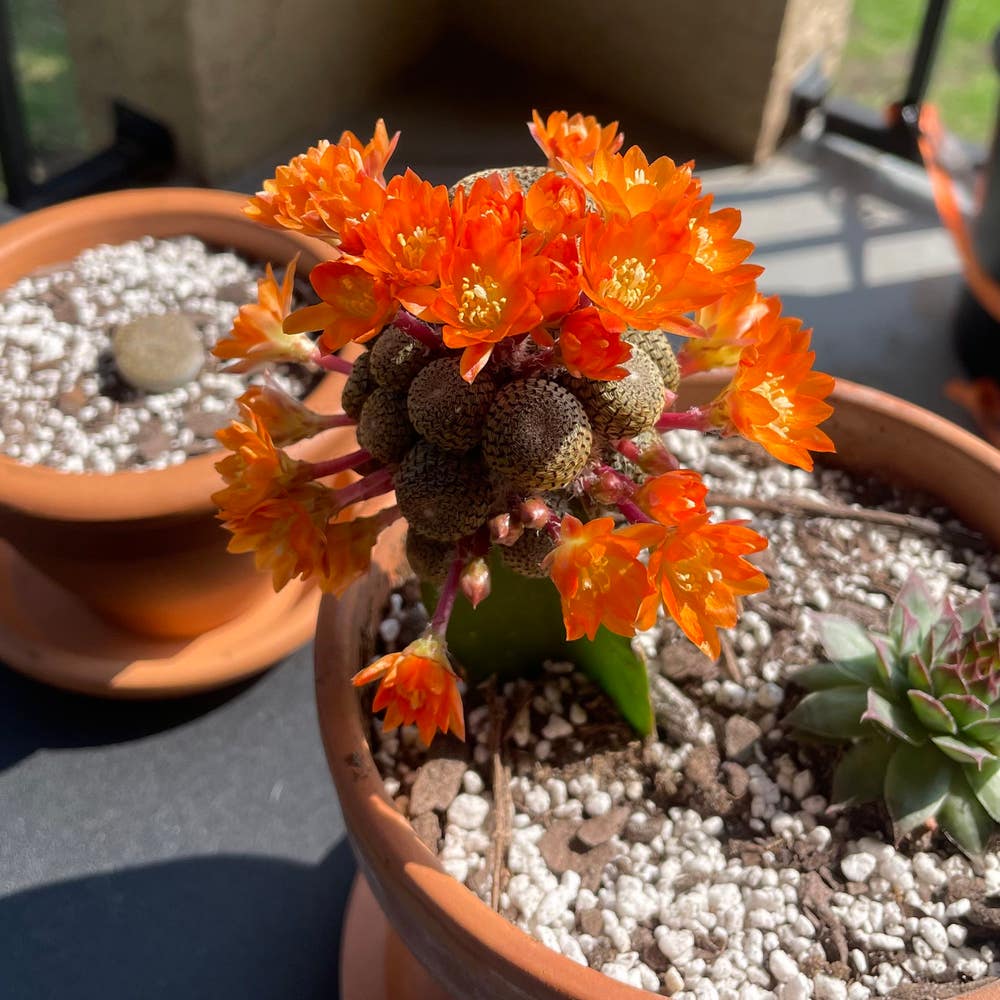
🌵 Marsoner's Crown Cactus Care: Preventing Wilting
Rebutia marsoneri
By the Greg Editorial Team
Sep 30, 2024•6 min read
This article was created with the help of AI so we can cover more plants for you. May contain errors. See one? Report it here.
- 💧 Wilting in Marsoner's Crown Cactus is caused by water stress—over or underwatering.
- 🌡️ Heat stress leads to browning and droopiness; monitor temperature and sunlight closely.
- 🦠 Check for diseases if wilting persists; yellowing and spots indicate potential issues.
Causes of Wilting in Marsoner's Crown Cactus
Common Causes 🌵
Wilting in Marsoner's Crown Cactus often stems from water stress. Overwatering is a common culprit, leading to a mushy texture and discoloration of the plant. Conversely, underwatering can cause shriveling and dry patches, signaling that your cactus needs more hydration.
Heat stress is another significant factor. Symptoms include browning edges, softening of the crown, and an overall droopy appearance. High temperatures and direct sunlight exposure can trigger these issues, making it crucial to monitor your cactus's environment.
Uncommon Causes 🦠
While rare, disease-related wilting can occur in Marsoner's Crown Cactus due to its resilient nature. Signs of disease include yellowing, black spots, and a rapid decline in health. If you notice these symptoms, it's essential to act quickly to prevent further damage.
Understanding these causes is vital for effective care. By recognizing the signs early, you can take appropriate action to revive your cactus and keep it thriving.
Diagnosing Wilting
📝 Step-by-Step Guide
Diagnosing wilting in your Marsoner's Crown Cactus starts with assessing your watering habits. Check the soil moisture levels to determine if your cactus is receiving the right amount of water.
Next, evaluate the environmental conditions. Consider factors like temperature, humidity, and light exposure that could be affecting your cactus's health.
Finally, inspect for pests or signs of disease. Look for any discoloration or unusual growth patterns that might indicate a problem.
🔍 Identifying Symptoms
To effectively diagnose wilting, use a symptoms checklist. First, examine the leaf texture; softness or dryness can signal underlying issues.
Next, pay attention to color changes. Yellowing or browning leaves are clear indicators that your cactus needs immediate attention.
By following these steps, you can pinpoint the cause of wilting and take action to revive your plant. Understanding these symptoms will set the stage for effective solutions in the next section.
Addressing Wilting
💧 Actionable Solutions for Water Stress
For Overwatering:
If your Marsoner's Crown Cactus shows signs of overwatering, like a mushy texture or discoloration, it’s time to act. Allow the soil to dry out completely before rewatering, and consider repotting in well-draining soil to prevent future issues.
For Underwatering:
On the flip side, if your cactus appears shriveled or has dry patches, it’s likely underwatered. Gradually increase your watering frequency and try bottom watering techniques to encourage deep root absorption.
🔥 Actionable Solutions for Heat Stress
Relocation Strategies:
Heat stress can manifest as browning edges and droopiness. To combat this, relocate your cactus to a shaded area during peak sun hours to shield it from harsh sunlight.
Humidity Boost:
Increasing humidity around your plant can also help. Use a humidity tray or mist the cactus to create a more favorable environment.
🦠 Actionable Solutions for Disease-Related Wilting
Pruning Affected Areas:
Though rare, disease-related wilting can occur. If you notice yellowing or black spots, prune any diseased parts of the cactus to prevent further decline.
Fungicide Treatment:
If necessary, treat the cactus with appropriate fungicides, following the label instructions carefully to ensure effective treatment without harming the plant.
By addressing these issues promptly, you can help your Marsoner's Crown Cactus thrive. Next, let’s explore preventive measures to keep your cactus healthy and vibrant.
Preventive Measures
Best Practices 🌱
Establishing a consistent watering schedule is crucial for your Marsoner's Crown Cactus. Adjust your routine based on seasonal changes to ensure your cactus gets the right amount of moisture.
Regularly monitoring environmental conditions can make a significant difference. Keep an eye on temperature, humidity, and light exposure to fine-tune your care approach.
Environmental Adjustments 🏡
Placement is key for optimal growth. Ensure your cactus receives adequate light while avoiding direct harsh sunlight, which can lead to heat stress.
Don’t forget to check for pests and signs of stress regularly. Early intervention can save your cactus from more severe issues down the line.
By following these preventive measures, you can create a thriving environment for your Marsoner's Crown Cactus. This proactive approach will help you enjoy a healthy, vibrant plant for years to come.
Next, let’s explore effective techniques for reviving a wilted cactus.
Reviving a Wilted Cactus
🧊 Techniques for Bottom Watering
Bottom watering is a gentle way to revive your Marsoner's Crown Cactus.
- Place the cactus in a shallow tray of water.
- Allow it to absorb moisture from the bottom for 30 minutes.
- Remove and let excess water drain.
This method encourages deep root absorption, helping the cactus recover without the risk of overwatering.
🌍 Temporary Relocation Strategies
Sometimes, a change of scenery is all your cactus needs.
Move it to a more suitable environment with stable temperatures and indirect light.
Keep an eye on it for signs of recovery over the next few days, and be patient; plants often take time to bounce back.
✂️ Pruning Damaged Leaves
If you notice severely wilted or damaged leaves, it’s time to prune.
Use clean, sharp tools to make precise cuts.
Ensure cuts are made at an angle to promote healing and prevent water from pooling on the cut surface.
This simple step can significantly improve your cactus's overall health.
With these techniques, you can give your Marsoner's Crown Cactus a fighting chance to thrive again.
Next, let’s explore when it’s time to seek further assistance for your cactus care journey.
When to Seek Further Assistance
Signs for Professional Help 🌵
If your Marsoner's Crown Cactus continues to wilt despite your best efforts, it may be time to consult a professional. Persistent wilting, even after adjusting watering and environmental conditions, can indicate deeper issues.
Look out for signs of severe disease or pest infestation. Yellowing leaves, black spots, or an unusual number of pests can signal that your cactus needs expert intervention.
Resources 🛠️
Finding the right help is crucial for your cactus's recovery. Local nurseries that specialize in cacti can provide tailored advice and treatments.
Additionally, engaging with the cactus care community online can be incredibly beneficial. Forums and social media groups often have experienced members who can offer insights and support for your specific situation.
By seeking assistance when needed, you can ensure your Marsoner's Crown Cactus thrives and continues to bring joy to your space.
⚠️ Safety First
This content is for general information and may contain errors, omissions, or outdated details. It is not medical, veterinary advice, or an endorsement of therapeutic claims.
Always consult a qualified healthcare professional before using any plant as food, medicine, or supplement.
Never eat any plant (or feed one to pets) without confirming its identity with at least two trusted sources.
If you suspect poisoning, call Poison Control (800) 222-1222, the Pet Poison Helpline (800) 213-6680, or your local emergency service immediately.
Spotted an error? Please report it here.
Keep your Marsoner's Crown Cactus thriving 🌵 by using Greg's tailored watering reminders and environmental checks to prevent wilting and ensure optimal care!