Why Are My Rebutia marsoneri Leaves Droopy?
Rebutia marsoneri
By the Greg Editorial Team
Apr 10, 2024•4 min read
This article was created with the help of AI so we can cover more plants for you. May contain errors. See one? Report it here.
- Droopy leaves signal distress; watch for discoloration and texture changes.
- Over/underwatering causes issues: Adjust watering and check soil moisture.
- Mimic natural habitat with bright light, proper pots, and consistent temperatures.
Spotting the Signs of Distress in Rebutia marsoneri
🚩 Telltale Symptoms of Droopy Leaves
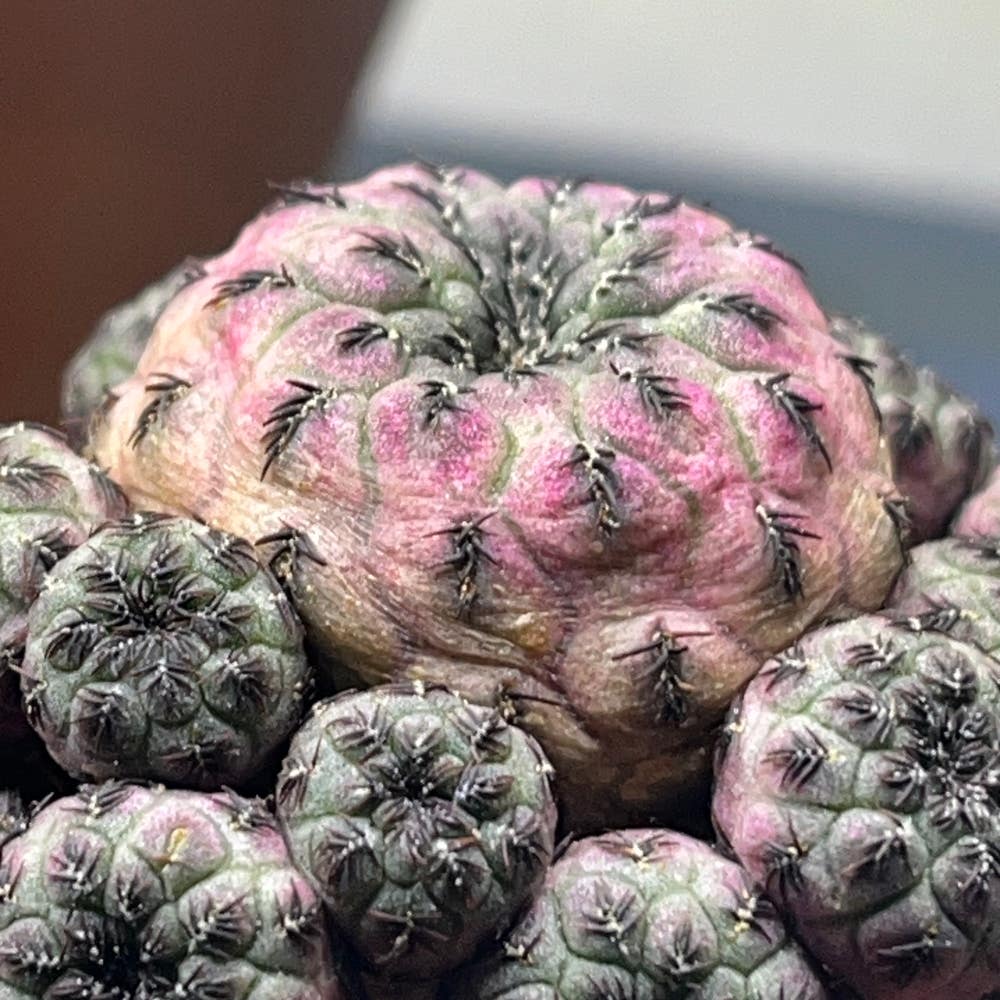
Droopy leaves in Rebutia marsoneri are red flags. They signal distress, not just a bad cactus day. Look for leaves that have lost their usual upright cheer, sagging sadly towards the dirt. Discoloration, translucency, or a change in texture are not just cosmetic issues; they're cries for help. A sudden shift in your cactus's appearance should set off your plant-parent instincts.
🚨 When Droopiness Becomes a Concern
Not every slouch is a sign of trouble. Rebutia marsoneri might have a lazy day, naturally adjusting to its environment. But when droopiness persists or is accompanied by mushy leaves, it's time to intervene. Leaves that detach too easily or show signs of yellowing or browning are not shedding old layers; they're showing signs of distress. It's crucial to differentiate between a plant's natural behavior and symptoms that indicate a deeper problem.
Unraveling the Root Causes of Droopiness
💧 The Thirst Quandary: Underwatering Woes
Bone-dry soil is a red flag. Your Rebutia marsoneri's droopy demeanor could be a silent scream for hydration. When the soil feels like a desert, it's time for a drink. Water deeply until it drains out the bottom, but don't let it sit in a puddle of its own tears.
💦 The Drowning Dilemma: Overwatering and Root Rot
Yellow leaves and a mushy stem? Your plant might be drowning in excess love. Check the soil: if it's more swamp than soil, you've gone overboard. Let the soil dry out before you water again. Think of it as a detox for your overindulged plant.
🌱 The Compaction Problem: Soil and Drainage Issues
Tight soil is like a crowded elevator for roots – no room to breathe. If your soil is as compacted as a traffic jam, it's time to loosen up. Aerate the soil to give roots their space. Ensure your pot has drainage holes that could make a colander jealous. Remember, happy roots make for perky plants.
Turning the Tide: Reviving Your Rebutia marsoneri
💧 Fine-Tuning Watering Techniques
Touch test before watering—dry soil means go time. Use room-temperature water to avoid shocking the roots. Aim for the base, keeping leaves dry. Seasonal adjustment is key: less water in cool months, slightly more when it's warm.
🌱 Soil and Pot Perfection
Terracotta pots for the win—they wick away excess moisture. Ensure the pot has adequate drainage holes. Mix a base of potting soil with gritty amendments like pumice or perlite. This combo promotes breathability and deters root rot.
🌞 Creating the Ideal Environment
Adjust light and temperature to mimic the Rebutia marsoneri's natural habitat. Bright, indirect sunlight is the sweet spot. Keep temperatures consistent—avoid drafts and sudden temperature changes. Your Rebutia will thank you with perky leaves.
Keeping Your Rebutia marsoneri Perky: Prevention Strategies
💧 The Watering Rhythm: Establishing a Routine
Watering your Rebutia marsoneri shouldn't be a guessing game. Consistency is your plant's best friend. Establish a routine that mimics the natural arid conditions it loves. During the growing season, water when the soil is dry a few centimeters down. In winter, cut back. Your plant's thirst isn't as high when it's cooler and the days are shorter. Use reminders or tech aids if you're prone to forgetfulness.
🌱 The Right Mix: Soil and Drainage Mastery
Your Rebutia marsoneri's roots despise soggy soil. Choose a well-draining mix with sand or perlite to prevent waterlogging. Terracotta pots are the unsung heroes here, wicking away excess moisture. Ensure your pot has drainage holes; it's a simple yet effective way to avoid root rot. It's like giving your plant a life jacket in a sea of potential overwatering.
👀 Vigilant Care: Monitoring and Adjusting Conditions
Stay on top of your plant's needs like a hawk. Light and temperature can be as fickle as spring weather. Rotate your Rebutia marsoneri for even sun exposure and shield it from scorching rays. Keep the temperature consistent; these cacti aren't fans of the cold. Regularly inspect for pests and diseases. It's easier to prevent an infestation than to fight one. Remember, proactive care beats reactive despair.
⚠️ Safety First
This content is for general information and may contain errors, omissions, or outdated details. It is not medical, veterinary advice, or an endorsement of therapeutic claims.
Always consult a qualified healthcare professional before using any plant as food, medicine, or supplement.
Never eat any plant (or feed one to pets) without confirming its identity with at least two trusted sources.
If you suspect poisoning, call Poison Control (800) 222-1222, the Pet Poison Helpline (800) 213-6680, or your local emergency service immediately.
Spotted an error? Please report it here.
Revive your Rebutia marsoneri from droopy despair to desert delight with Greg's custom reminders 🌵 for the perfect watering schedule tailored to your cactus's needs!