🌞 Is Direct Sunlight Good for My Rebutia marsoneri?
Rebutia marsoneri
By the Greg Editorial Team
Apr 10, 2024•3 min read
This article was created with the help of AI so we can cover more plants for you. May contain errors. See one? Report it here.
- 🌞 Direct sunlight is okay, but Rebutia marsoneri needs breaks from intensity.
- Rotate and adjust seasonally for even exposure and a healthy glow.
- Watch for sun stress signs, like discoloration; acclimate gradually.
Sunlight Decoded: What Does Rebutia marsoneri Prefer?
🌞 Direct vs. Indirect Sunlight Simplified
Direct sunlight is the unfiltered beam of the sun, the kind that casts sharp shadows. It's the full force of the sun's rays, no holds barred. Indirect sunlight, however, is the gentler version, softened by clouds, curtains, or bouncing off surfaces.
Rebutia marsoneri's Sunlight Wishlist
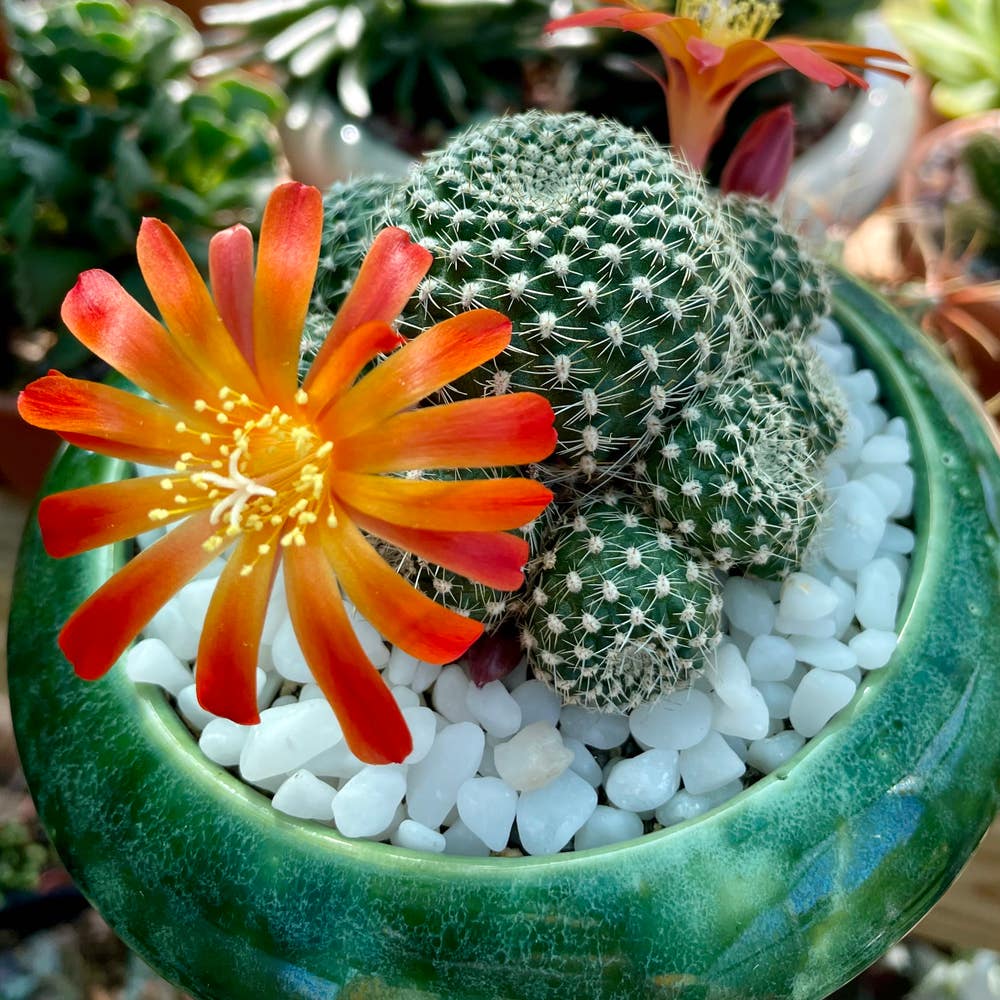
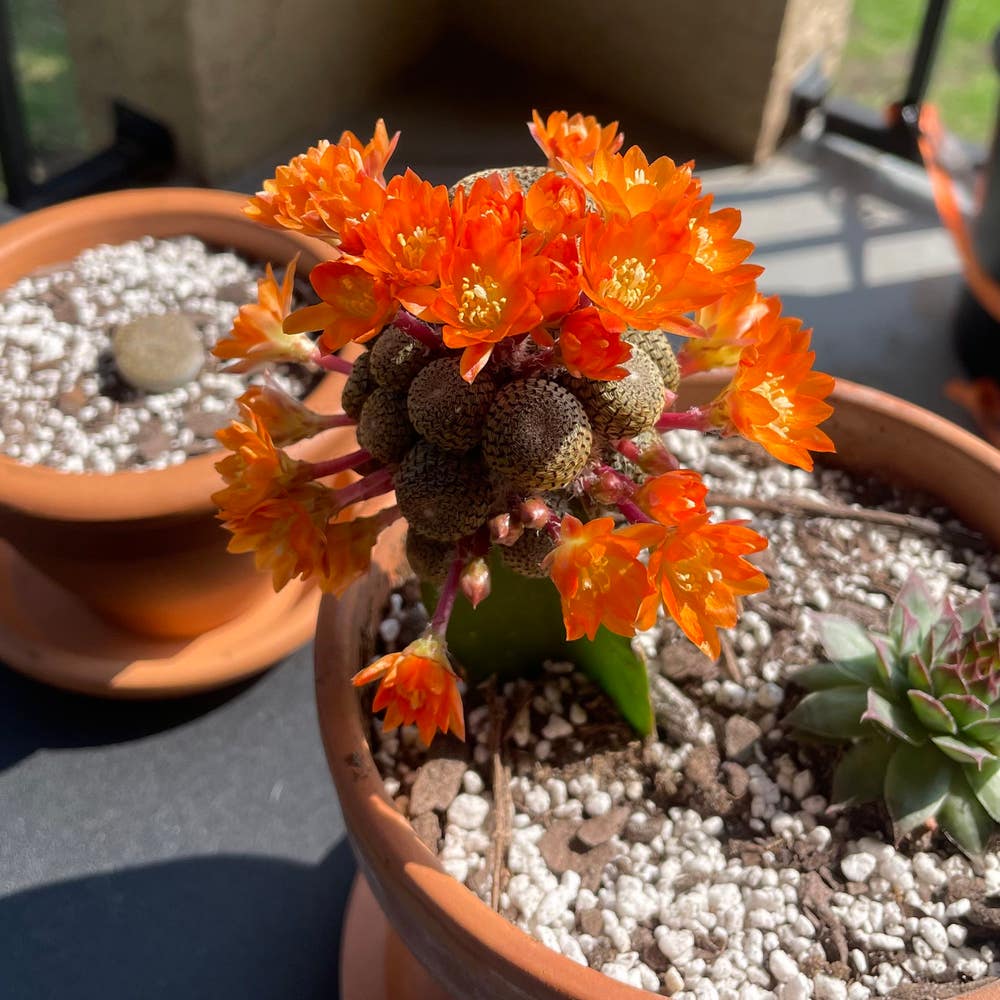
Rebutia marsoneri, like a desert native, leans towards loving bright conditions. It's accustomed to the unrelenting sun of high altitudes in South America. The verdict? This cactus can handle direct sunlight but appreciates a break from the intensity, especially during peak hours.
Windows and Hemispheres: The Sunlight Plot Thickens
🌞 The Window Compass: Navigating Sunlight at Home
South-facing windows are the sun's stage in the Northern Hemisphere, offering a day-long performance for your Rebutia marsoneri. North-facing windows are the VIP seats in the Southern Hemisphere, basking in the sun's glory. East-facing windows provide a gentle morning light, while west-facing ones deliver an intense afternoon session. Choose wisely; your Rebutia marsoneri's tan depends on it.
🌍 Hemisphere Highlights: Sun's Path and Plant Health
In the Northern Hemisphere, the sun's angle creates a spotlight for south-facing windows, making them ideal for Rebutia marsoneri. Conversely, in the Southern Hemisphere, north-facing windows steal the show. Seasons twist the plot, changing the light's intensity and duration. Keep an eye on your plant and adjust its position with the sun's seasonal dance to ensure a healthy glow.
Sunlight Strategy: Keeping Rebutia marsoneri Happy
🌞 Positioning for Perfection
Finding the sweet spot for your Rebutia marsoneri isn't rocket science, but it does take some finesse. You want to mimic its natural habitat—think bright, but not scorching.
Start by placing your cactus near a window where it can soak up some gentle morning rays. Rotate the plant regularly to ensure even exposure. If the sunlight through your window feels like a Sahara midday, dial it back. Use sheer curtains or move the plant further inside to diffuse the intensity.
🌤 Seasonal Sunlight Shuffle
As the earth tilts and twirls, your Rebutia marsoneri's needs will shift with the seasons.
During the summer sizzle, your cactus might appreciate a step back from the window or a shady companion to filter the light. In the winter wane, inch it closer to catch those precious, weaker rays. It's a dance with the sun—sometimes close, sometimes apart, always in sync with the rhythm of the seasons.
When the Sun's Too Strong: Protecting Rebutia marsoneri
🌞 Spotting Sun Stress Signals
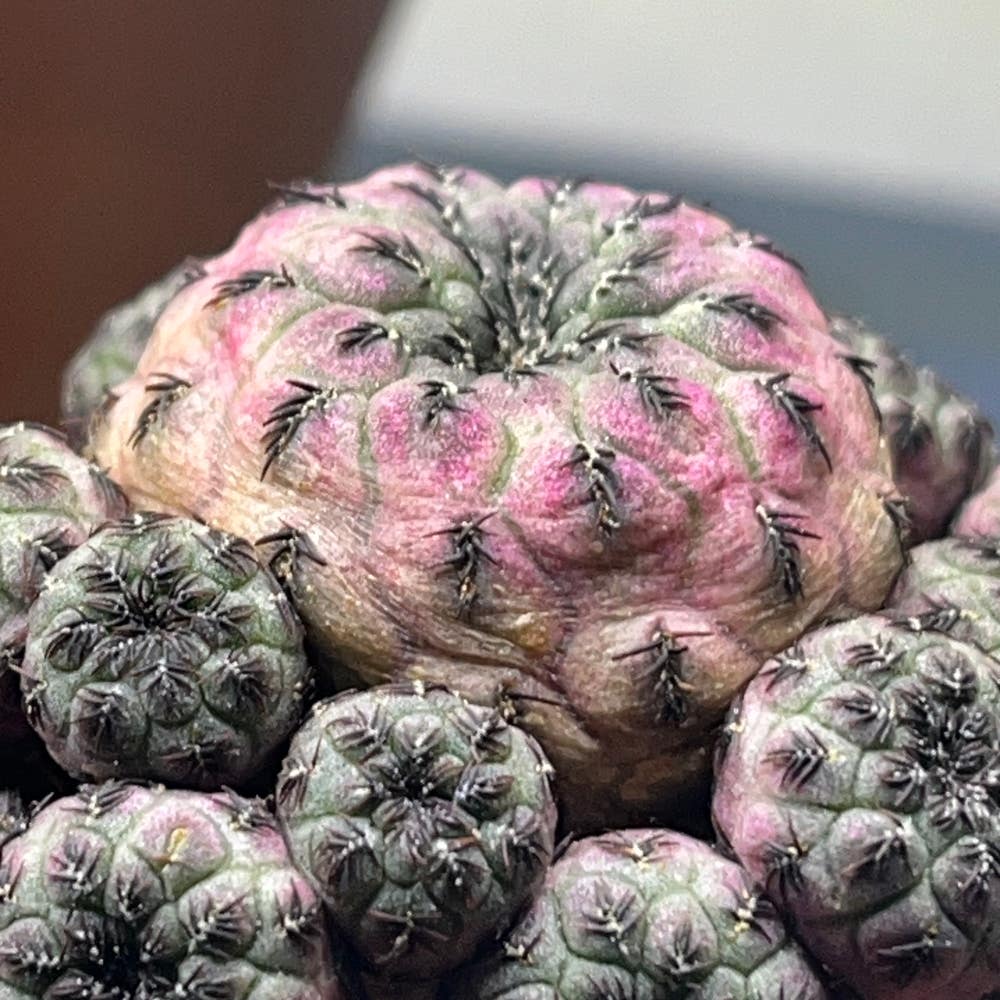
Discoloration and dry patches on your Rebutia marsoneri are the plant's version of a sunburnt nose. If your cactus is sporting brown, crispy spots, it's time to rethink its sunbathing habits. Leaves turning yellow? They're not trying a new look; they're waving a white flag. And when the vibrant hues start to fade, it's as if the plant's pigments are throwing in the towel.
🕶️ Sunburn Solutions
Gradual acclimation is key. Introduce your Rebutia marsoneri to sunlight like you would a toddler to a pool—slowly and with care. If the sun's just too much, create a shade barrier during peak hours. It's like slipping on a pair of sunglasses for your succulent. And remember, there's no shame in a Plan B. When the sun's relentless, consider using a grow light to simulate kinder, gentler rays.
⚠️ Safety First
This content is for general information and may contain errors, omissions, or outdated details. It is not medical, veterinary advice, or an endorsement of therapeutic claims.
Always consult a qualified healthcare professional before using any plant as food, medicine, or supplement.
Never eat any plant (or feed one to pets) without confirming its identity with at least two trusted sources.
If you suspect poisoning, call Poison Control (800) 222-1222, the Pet Poison Helpline (800) 213-6680, or your local emergency service immediately.
Spotted an error? Please report it here.
Let Greg gently nudge you to give your Rebutia marsoneri the right amount of sunshine 🌞, ensuring it always has that healthy, sun-kissed look without the guesswork.