How to Prune Rebutia marsoneri
Rebutia marsoneri
By the Greg Editorial Team
Apr 10, 2024•4 min read
This article was created with the help of AI so we can cover more plants for you. May contain errors. See one? Report it here.
- Spring pruning promotes growth, but avoid summer to prevent cactus stress.
- 🌵 Use sharp, disinfected tools for clean cuts; consider sealant for healing.
- Post-pruning: water sparingly, avoid fertilizing, and monitor soil moisture.
Best Times to Give Your Rebutia a Haircut
🌸 Seasonal Timing for Pruning
Spring is the optimal season for pruning your Rebutia marsoneri. As the plant wakes from winter dormancy, it's primed for growth, making it the perfect time for strategic snipping. Avoid summer; the heat can stress the cactus, much like running a marathon in scorching weather.
🌺 Post-Flowering Cleanup
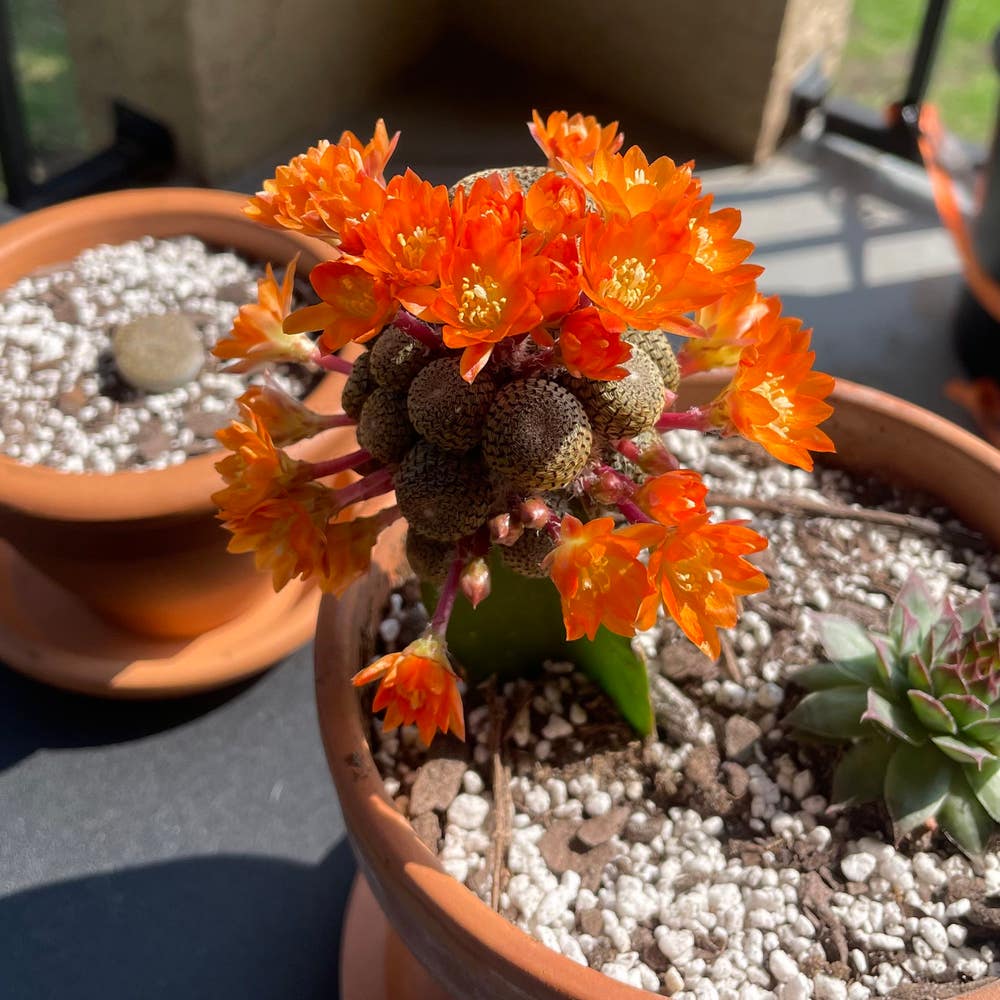
After the Rebutia marsoneri's vibrant bloom cycle, it's time for post-flowering pruning. This helps maintain the plant's vigor and encourages a bushier, more robust form. It's a bit like a spa treatment for your cactus—trimming away the old to rejuvenate and prepare for new growth.
Choosing Your Pruning Gear
💇♂️ Selecting the Right Tools
When gearing up to prune your Rebutia marsoneri, precision is your best friend. You'll want a pair of sharp pruning shears for most of the work; they're perfect for making clean cuts without mangling your cactus. For any thicker growth, consider lopping shears—their long handles give you the leverage you need without turning it into a wrestling match. And remember, cleanliness is next to cactus-healthiness. Disinfect your tools with rubbing alcohol before and after, to keep your cactus from catching something nasty.
🌵 Pruning Techniques Tailored for Rebutia
Pruning this cactus isn't just about hacking away the excess; it's about strategic snips. Assess the plant from various angles to identify overgrowth and dead spines. When you make a cut, do it with confidence and precision, snipping at the base to avoid leaving any stubs that could invite pests. Aim for cuts at a 45-degree angle to prevent water from settling in and causing rot. After you've played surgeon, consider using a cactus-safe sealant on larger cuts to promote healing. It's like a band-aid, but for your cactus.
The Art of Pruning Rebutia Marsoneri
🌵 Identifying Pruning Targets
Pruning your Rebutia marsoneri isn't just about snipping willy-nilly; it's a strategic affair. Dead spines are your first concern—they're not just unsightly, they're useless. Look out for overgrowth that messes with the cactus's natural form. And keep an eye peeled for any signs of disease; early detection can save your spiky buddy from a world of hurt.
✂️ Making the Cut
Ready your sterilized shears; it's time to play plant surgeon. Snip away dead or damaged parts with precision—think of it as a cactus haircut. Clean your tools after each cut to prevent spreading any potential pathogens. Let the plant's wounds callous over naturally; it's their way of healing. And remember, less is more—over-pruning can be just as harmful as neglect.
🎨 Shaping for Aesthetics
Shaping Rebutia marsoneri is like sculpting a living work of art. Aim for a balanced form that enhances its natural beauty. Remove growth sparingly to maintain that iconic, rounded shape. By pruning for visual appeal, you're not just tidying up; you're ensuring your cactus is the centerpiece of your plant collection.
Post-Pruning Care
🌱 Immediate Aftercare
After pruning your Rebutia marsoneri, it's crucial to switch to recovery mode. Water the plant sparingly to help it overcome the shock; think of it as a gentle nudge rather than a full push. Avoid drenching the soil – overwatering is a surefire way to hinder recovery.
Clean up any debris from the pruning process to prevent fungal growth. This isn't just about keeping appearances; it's a proactive step to safeguard your cactus's health.
🕵️ Long-Term Health Monitoring
In the weeks following, keep a vigilant eye for signs of distress, such as discoloration or wilting. Adjust care routines swiftly if you notice any red flags. Celebrate new growth – it's the plant's way of showing resilience and recovery.
Hold off on fertilizing immediately after pruning. Your Rebutia isn't ready for a full feast just yet. Instead, consider a light supplement like vitamin B complex to support root health without overwhelming the plant.
Regularly monitor the moisture level of the soil, waiting until the top inch feels dry before watering again. This isn't just about sticking to a schedule; it's about responding to your cactus's needs with precision.
Finally, remember that pruning isn't a one-time event. It's part of an ongoing commitment to the health and aesthetics of your Rebutia marsoneri. Keep those pruners handy and your eyes open, and you'll be rewarded with a thriving, beautiful cactus.
⚠️ Safety First
This content is for general information and may contain errors, omissions, or outdated details. It is not medical, veterinary advice, or an endorsement of therapeutic claims.
Always consult a qualified healthcare professional before using any plant as food, medicine, or supplement.
Never eat any plant (or feed one to pets) without confirming its identity with at least two trusted sources.
If you suspect poisoning, call Poison Control (800) 222-1222, the Pet Poison Helpline (800) 213-6680, or your local emergency service immediately.
Spotted an error? Please report it here.
Prune your Rebutia marsoneri to flourishing finesse 🌵 with Greg's tailored care reminders and expert advice for each snip and trim.