🌵 Top 9 Pot Features Your Marsoner's Crown Cactus Will Love
Rebutia marsoneri
By the Greg Editorial Team
Sep 30, 2024•5 min read
This article was created with the help of AI so we can cover more plants for you. May contain errors. See one? Report it here.
- 🌵 Choose the right pot size: 2-10 inches supports all growth stages effectively.
- 🕳️ Drainage holes are essential: Prevent root rot with 1-3 holes in every pot.
- 🌱 Repot every 2-3 years: Monitor roots and growth to ensure optimal health.
Pot Selection for Marsoner's Crown Cactus
🌱 Importance of Pot Size for Different Growth Stages
Choosing the right pot size is crucial for your Marsoner's Crown Cactus at various growth stages.
Seedlings
For seedlings, a pot size of 2-4 inches in diameter is ideal. This snug fit helps prevent overwatering, which can be detrimental at this delicate stage.
Young Cacti
As your cactus matures, transition to a 4-6 inch pot. This size allows for gradual growth without excess soil, which can retain too much moisture.
Mature Cacti
Mature cacti thrive in pots 6-10 inches in diameter. This size ensures stability and provides ample room for root expansion.
Growth Habit Considerations
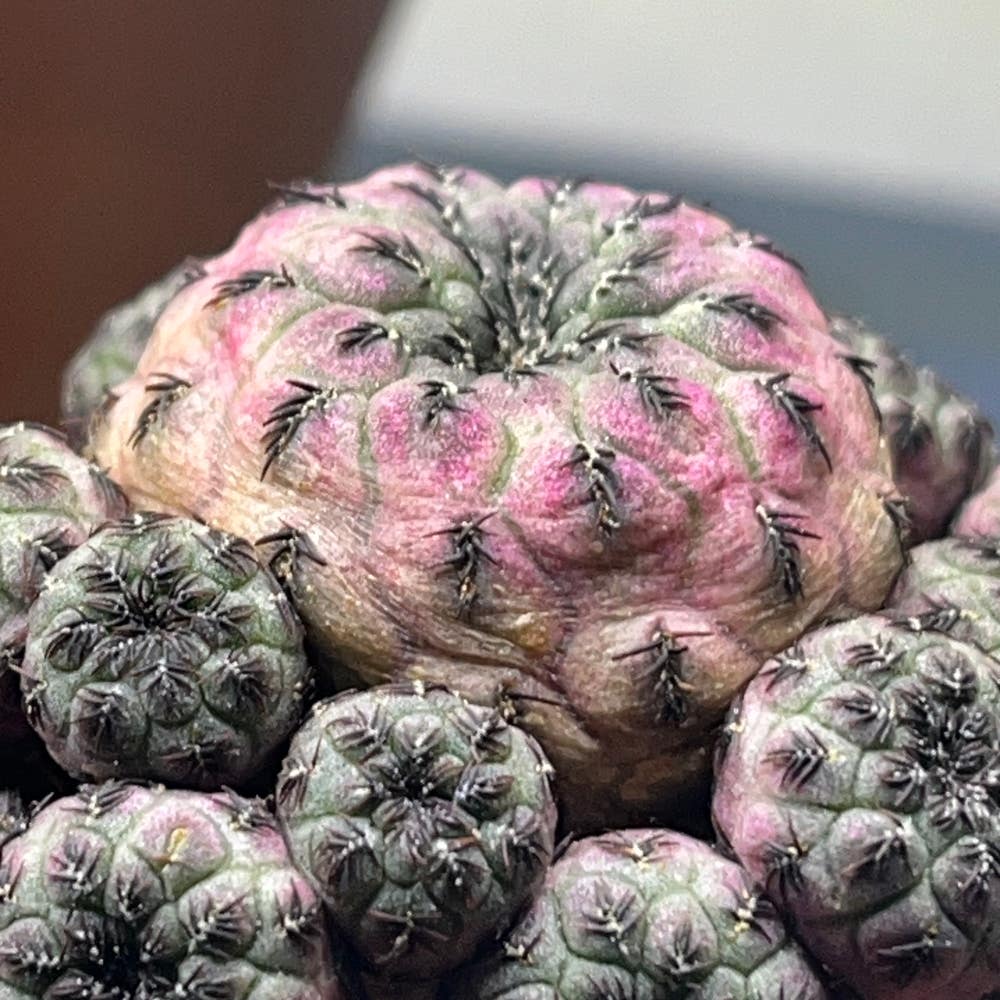
The unique crown shape of the Marsoner's Crown Cactus may require wider pots for stability. Balance between depth and width is essential to support its growth habit.
🪴 Ideal Materials for Pots
Selecting the right material for your cactus pot can significantly impact its health.
Clay Pots
Benefits:
- Breathability: Clay pots allow moisture to evaporate, reducing the risk of overwatering.
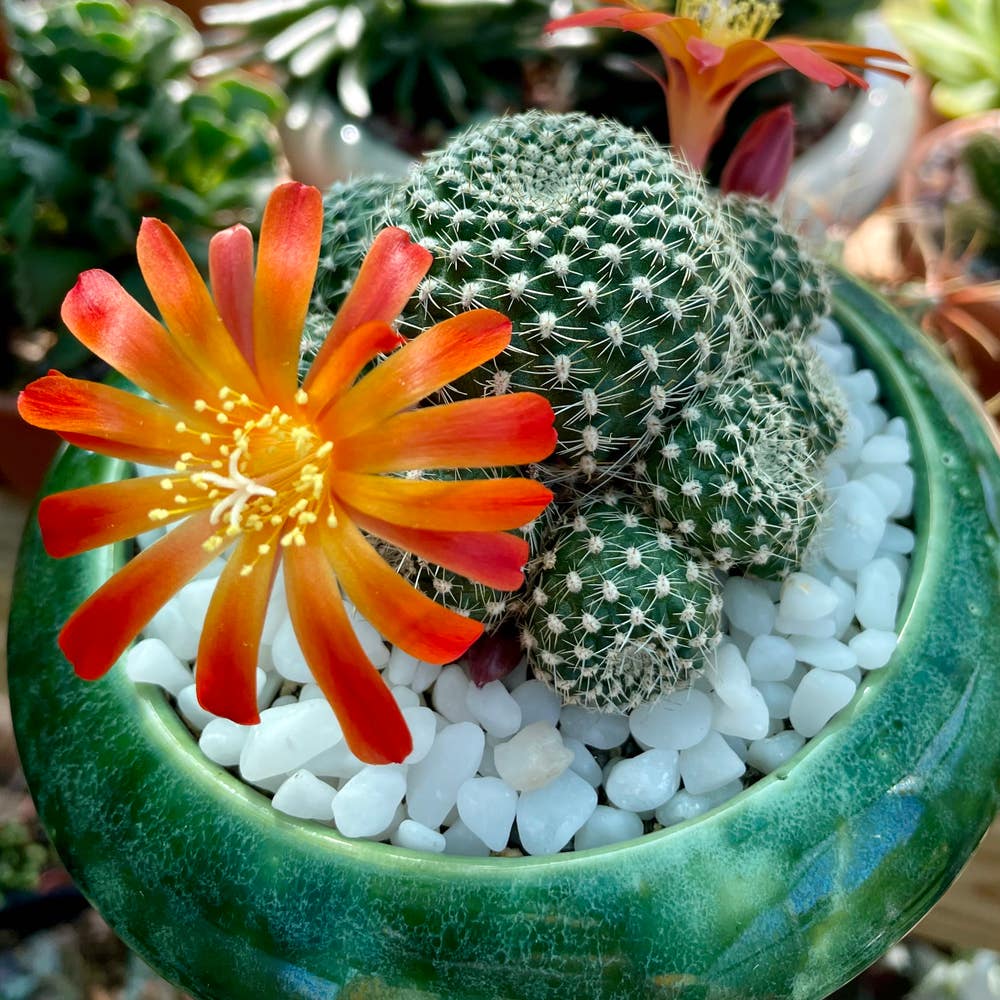
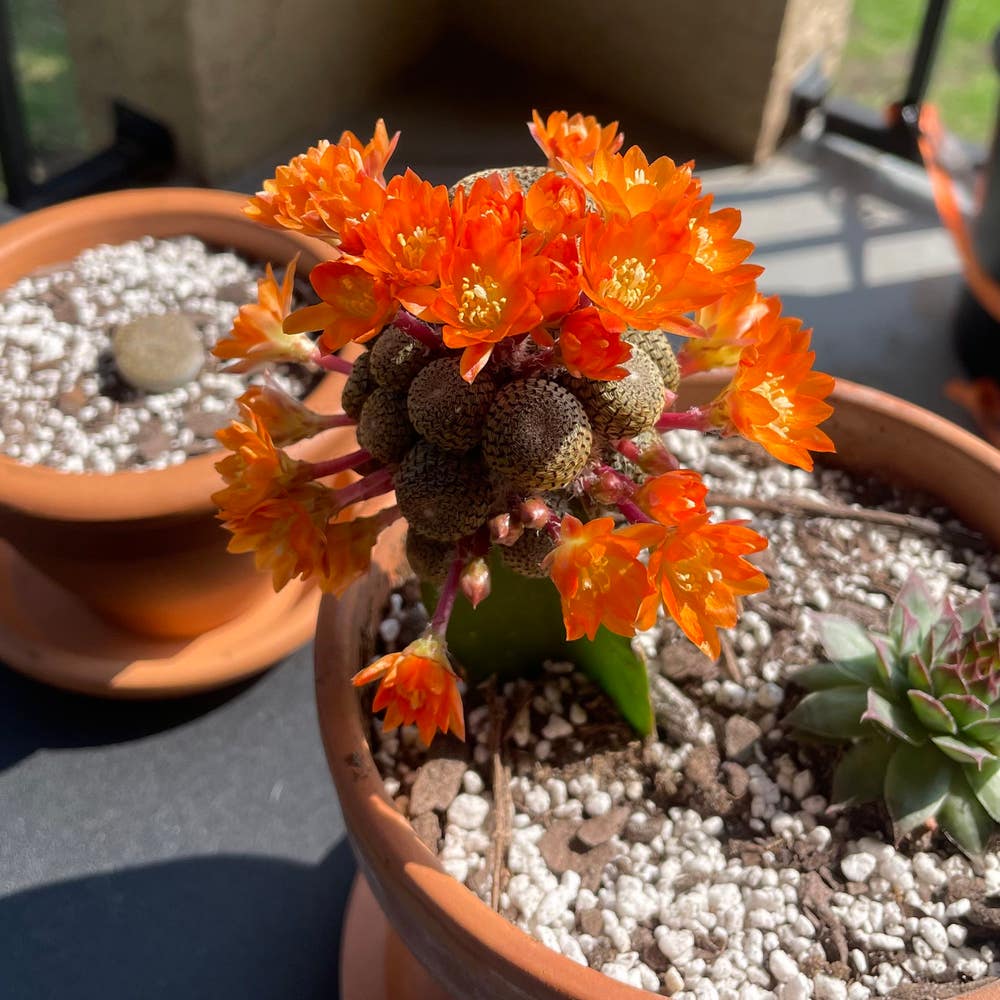
- Aesthetic Appeal: Their natural look beautifully complements the cactus's unique shape.
Drawbacks:
- Weight: Clay pots are heavier, making them less portable.
- Fragility: They can crack in extreme temperatures, posing a risk to your cactus.
Plastic Pots
Benefits:
- Lightweight: Easier to move and rearrange as needed.
- Variety: Available in numerous colors and styles to suit your decor.
Drawbacks:
- Less Breathable: Higher risk of retaining moisture, which can lead to root rot.
- Drainage Issues: Poor drainage can exacerbate moisture retention problems.
🌵 How Pot Choice Affects Cactus Health and Growth
The choice of pot size and material has a direct impact on your cactus's health.
Impact on Root Development: A pot that's too small restricts growth and leads to stress, while one that's too large increases the risk of overwatering and root rot.
Aesthetic Considerations: Selecting pots that enhance the crown shape can elevate the overall appearance of your cactus.
Long-term Health Implications: Proper pot selection can prevent common issues like root rot and stunted growth, ensuring your cactus thrives for years to come.
Understanding these pot selection factors will set your Marsoner's Crown Cactus up for success. Next, let’s explore the essential drainage considerations to keep your cactus healthy and happy.
Drainage Considerations
Importance of Drainage Holes 🌊
Drainage holes are crucial for preventing water accumulation in your pot. They allow excess water to escape, significantly reducing the risk of root rot.
For optimal drainage, aim for a minimum of 1-3 holes, depending on the pot size. Each hole should have a diameter of at least 1/2 inch to ensure effective drainage.
How Drainage Impacts Root Health 🌱
Healthy roots thrive on oxygen, which is why proper drainage is vital. Poor drainage can create anaerobic conditions, harming your cactus's root system.
Look for signs of healthy drainage, such as a quickly drying soil surface after watering. Additionally, there should be no standing water in the saucer beneath the pot.
Signs of Poor Drainage in Pots 🚨
Keep an eye out for symptoms that indicate poor drainage. Yellowing leaves or stems can signal trouble, as can wilting despite adequate watering.
Another red flag is a foul odor coming from the soil, which often indicates root rot. Addressing these issues promptly can save your Marsoner's Crown Cactus from serious damage.
Understanding drainage is essential for keeping your cactus healthy and thriving. Next, let’s explore when and how to repot your cactus for optimal growth.
Repotting Guidelines
🕒 When to Repot
Repotting your Marsoner's Crown Cactus is essential for its health. Look for signs like roots peeking through drainage holes, stunted growth, or depleted soil.
As a general rule, consider repotting every 2-3 years to keep your cactus thriving.
🛠️ Step-by-Step Guide to Repotting
Prepare the new pot: Ensure it has adequate drainage holes and select a size that matches your cactus's growth stage.
Remove the cactus from the old pot: Gently loosen the soil around the edges and use gloves to protect your hands from spines.
Inspect roots: Trim any damaged or rotting roots and dust them with fungicide if necessary.
Place cactus in new pot: Center the cactus and fill it with fresh cactus soil, then water lightly to help settle the soil.
🪴 Choosing the Right Pot During Repotting
When selecting a pot, consider the growth stage and current size of your cactus. Avoid drastic size increases to prevent stress.
Material choice matters too. Opt for clay pots in humid environments for better moisture control, while plastic pots work well in drier conditions.
With these guidelines, your Marsoner's Crown Cactus will have the best chance to flourish. Next, let’s explore effective potting techniques to ensure your cactus continues to thrive.
Potting Techniques
Best Practices for Potting 🌵
Using a cactus-specific soil mix is crucial for your Marsoner's Crown Cactus. Opt for well-draining, sandy soil that mimics its natural habitat.
Watering is another key aspect. Water thoroughly but ensure the soil dries out completely before the next watering to prevent root rot.
Soil Considerations for Potting 🧪
The ideal soil composition for your cactus should be 50% potting soil, 25% sand, and 25% perlite. This blend promotes aeration and drainage, essential for healthy root growth.
Maintaining the right pH balance is also important. Aim for a slightly acidic to neutral pH range of 6.0 to 7.0 for optimal growth.
How to Avoid Common Potting Mistakes ❌
One common mistake is overwatering right after potting. It's best to wait at least a week before watering to allow the roots to settle.
Don't overlook drainage! Always check for adequate drainage holes before potting to ensure excess water can escape, keeping your cactus healthy.
With these potting techniques in mind, your Marsoner's Crown Cactus will thrive. Next, let’s explore the importance of drainage considerations to further enhance its health.
⚠️ Safety First
This content is for general information and may contain errors, omissions, or outdated details. It is not medical, veterinary advice, or an endorsement of therapeutic claims.
Always consult a qualified healthcare professional before using any plant as food, medicine, or supplement.
Never eat any plant (or feed one to pets) without confirming its identity with at least two trusted sources.
If you suspect poisoning, call Poison Control (800) 222-1222, the Pet Poison Helpline (800) 213-6680, or your local emergency service immediately.
Spotted an error? Please report it here.
Keep your Marsoner's Crown Cactus thriving 🌱 by choosing the right pot and letting Greg guide you with tailored care reminders for optimal growth and health!