🌵 How to Care for Your Marsoner's Crown Cactus in Winter
Rebutia marsoneri
By the Greg Editorial Team
Sep 30, 2024•5 min read
This article was created with the help of AI so we can cover more plants for you. May contain errors. See one? Report it here.
- ❄️ Protect Marsoner's Crown Cactus from frost to prevent serious damage below 32°F (0°C).
- 💧 Water every 4-6 weeks in winter to avoid root rot and over-saturation.
- 🌞 Keep indoor cacti in bright, indirect light and above 50°F (10°C) for optimal health.
Winter Behavior of Cactus
Reaction to Cold Temperatures 🥶
Cacti, including the Marsoner's Crown, are surprisingly resilient. They can handle temperature fluctuations but are sensitive to frost, which can lead to serious damage.
When temperatures dip below 32°F (0°C), your cactus is at risk. If not adequately protected, it may suffer irreversible harm.
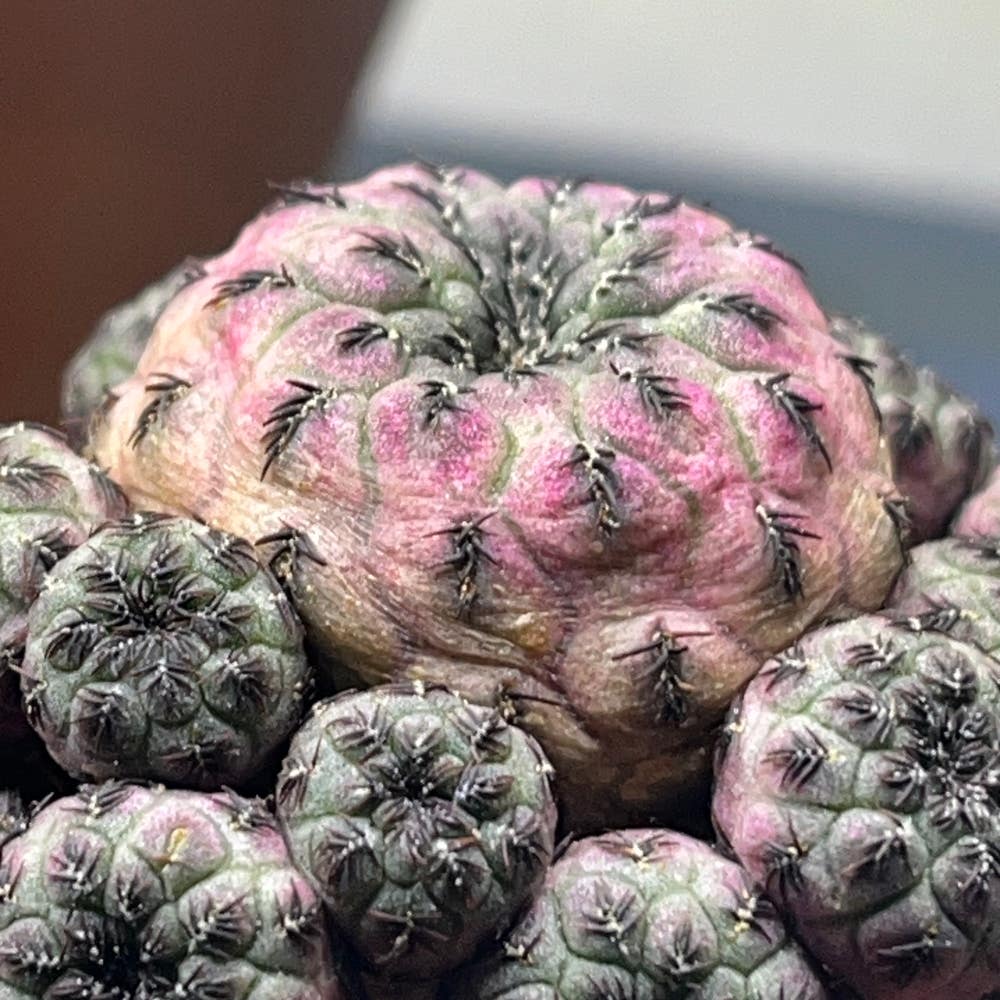
Look out for signs of stress in your cactus. Wrinkling, discoloration, or softening of the crown are all indicators that your plant needs immediate attention.
Understanding these behaviors is crucial for effective winter care. By recognizing the signs early, you can take action to protect your cactus and ensure it thrives through the colder months.
Winter Care Requirements
Adjusting Watering Schedules 🌊
During winter, it's crucial to adjust your watering schedule for your Marsoner's Crown Cactus. Reduce watering to once every 4-6 weeks to prevent over-saturation.
Dry soil is essential to avoid root rot and other moisture-related issues. Watch for signs of overwatering, such as yellowing or mushy stems, which indicate your cactus may be struggling.
Fertilization Needs 🌱
In winter, fertilization is generally unnecessary as cacti enter dormancy. You can resume fertilizing in early spring when growth begins to pick up again.
When it's time to fertilize, opt for a diluted, balanced cactus fertilizer to support your plant's active growth. This will help ensure your cactus thrives as the seasons change.
Indoor Care 🏠
If your cactus is indoors, aim for bright, indirect light and keep temperatures above 50°F (10°C). This environment helps maintain its health during the colder months.
Humidity is another factor to consider; keep it low to prevent rot. Additionally, place your cactus away from drafts and direct heat sources to create a stable environment.
As you care for your cactus this winter, remember that small adjustments can make a big difference. Next, let’s explore effective frost protection strategies to keep your plant safe from the cold.
Frost Protection Strategies
Methods to Protect from Frost 🌨️
Protecting your Marsoner's Crown Cactus from frost is crucial for its survival. Start by covering your plants with frost cloths or blankets during particularly cold nights.
If your cactus is in a pot, consider relocating it indoors or to a sheltered area. This simple move can make a significant difference in preventing frost damage.
Another effective method is mulching. Applying a layer of mulch around the base of your cactus provides added insulation against the cold.
Signs of Frost Damage and How to Address Them 🥶
Recognizing frost damage early can save your cactus. Look for symptoms like blackened or mushy areas on the crown, which indicate that your plant is struggling.
If you notice these signs, take immediate action. Remove any damaged parts and allow the plant to dry out to prevent further issues.
For long-term care, keep a close eye on your cactus. Monitor for signs of recovery and adjust your watering accordingly to support its healing process.
By implementing these frost protection strategies, you can help ensure your Marsoner's Crown Cactus thrives through the winter months. Next, we’ll explore how to prepare your cactus for the upcoming spring growth.
Spring Preparation and Recovery
Signs of Recovery from Winter Damage 🌱
As winter fades, your Marsoner's Crown Cactus will start showing signs of recovery. Look for fresh spines or new crown formations, which indicate that your cactus is bouncing back.
Color changes are also a good sign. A return to vibrant green or its characteristic coloration means your cactus is regaining its health.
Lastly, check for firmness. If the texture of the cactus resumes its usual firmness, it's a clear indicator that your plant is on the mend.
Preparing for Spring Growth 🌼
To help your cactus thrive, gradually reintroduce it to sunlight. Start with short exposure times to avoid shocking the plant.
Next, adjust your watering schedule. As temperatures rise, increase the frequency of watering, but do so gradually to prevent overwatering.
Finally, keep an eye on fertilization timing. Begin fertilizing once you notice new growth, using a diluted, balanced cactus fertilizer to support its recovery.
With these steps, your Marsoner's Crown Cactus will be well on its way to a vibrant spring! Transitioning into the next season is crucial for its long-term health, so stay attentive and proactive.
Common Issues and Solutions
Identifying and Solving Winter-Related Problems ❄️
Winter can be tough on your Marsoner's Crown Cactus. Common issues include overwatering, frost damage, and pest infestations.
To tackle these problems, adjust your watering schedule to prevent root rot. Implement frost protection strategies, and regularly inspect your cactus for any signs of pests.
Tips for Maintaining Health During Winter Months 🌱
Regular monitoring is key. Check your cactus weekly for signs of stress or damage.
Be flexible with your care routines based on changing weather conditions. Consider using the Greg plant care app for reminders on watering and care adjustments to keep your cactus thriving.
With these strategies, you'll ensure your Marsoner's Crown Cactus stays healthy and vibrant throughout the winter months.
⚠️ Safety First
This content is for general information and may contain errors, omissions, or outdated details. It is not medical, veterinary advice, or an endorsement of therapeutic claims.
Always consult a qualified healthcare professional before using any plant as food, medicine, or supplement.
Never eat any plant (or feed one to pets) without confirming its identity with at least two trusted sources.
If you suspect poisoning, call Poison Control (800) 222-1222, the Pet Poison Helpline (800) 213-6680, or your local emergency service immediately.
Spotted an error? Please report it here.
Keep your Marsoner's Crown Cactus thriving this winter ❄️ with Greg's tailored reminders to protect it from frost and avoid overwatering!