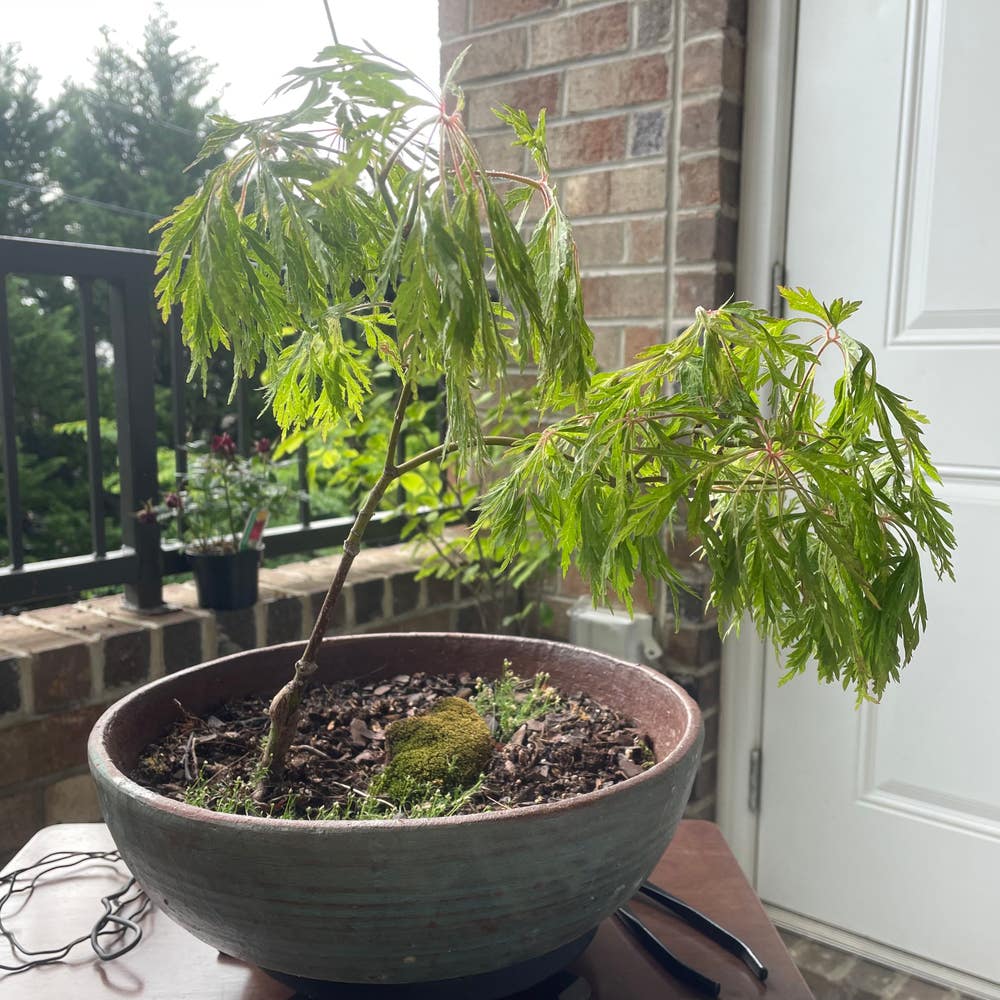
🍏 Propagating Japanese Quince: The Ultimate Guide
Chaenomeles japonica
By the Greg Editorial Team
Oct 12, 2024•6 min read
This article was created with the help of AI so we can cover more plants for you. May contain errors. See one? Report it here.
- 🌱 Harvest seeds in late fall for optimal quality; clean and stratify them properly.
- 🌡️ Maintain 20-25°C and provide indirect sunlight for successful germination.
- ✂️ Explore various methods like cuttings and grafting to expand your Japanese quince collection.
Propagating from Seeds
🌱 Step-by-Step Guide for Seed Preparation
Harvesting seeds from Japanese quince is best done in late fall when the fruits are ripe. Once collected, remove the pulp and rinse the seeds thoroughly in water to ensure they are clean.
The next crucial step is the stratification process. Start by soaking the seeds in water for 24 hours. After soaking, place the seeds in a damp paper towel, seal them in a plastic bag, and refrigerate for 30 to 60 days. This mimics winter conditions, which is essential for germination.
🌡️ Ideal Conditions for Germination
To achieve successful germination, maintain a consistent temperature between 20°C to 25°C (68°F to 77°F). This warm environment encourages the seeds to sprout.
Light is another key factor. Provide indirect sunlight to prevent overheating, which can hinder growth. Additionally, use a well-draining seed-starting mix with a pH of 6.0 to 7.0 to create the ideal soil conditions for your seeds.
⏳ Timeframe for Seedling Development
Germination typically occurs 4 to 6 weeks after sowing. Patience is key during this period as you wait for those tiny sprouts to emerge.
Once your seedlings reach a height of 4 to 6 inches, usually around 8 to 12 weeks after germination, it's time to transplant them. This transition is vital for their continued growth and development.
With these steps, you're well on your way to successfully propagating Japanese quince from seeds. Next, let’s explore how to propagate this beautiful plant using cuttings.
Propagating from Cuttings
Best Time to Take Cuttings 🌱
The timing of your cuttings can make all the difference. For softwood cuttings, aim for late spring to early summer when the new growth is fresh and pliable. If you prefer hardwood cuttings, late fall is your go-to, as the mature wood is more robust.
Types of Cuttings 🌿
Understanding the types of cuttings is crucial for success.
Softwood Cuttings
These should be about 4-6 inches long and tconditionsthe new growth. They rooadequate moisture are ideal for quick propagation.
Hardwood Cuttings
These cuttings are longer, typically 6-8 inches, and come frootmature wood. They may take longer to root but can be very rewarding.
Rooting Hormone Application 💊
Using rooting hormone can significantly boost your success rate.
Application Method
Simply dip the cut end of your cutting into the rooting hormone powder. This encourages root development and gives your cuttings a better chancerootstocking.
Benefits
The hormone helps stimulate root growth, making it easier for your cuttings to establish themselves in their new environment.
Potting and Care for Cuttings 🪴
Proper potting and care are essential for healthy cuttings.
- Prepare Pots: Start with a well-draining mix to prevent waterlogging.
- Insert Cuttings: Bury at least one node in the soil to encourage rooting.
- Water Thoroughly: Ensure the soil is moist but not soggy.
- Cover and Maintain Humidity: Use a plastic bag to create a humid environment, which is crucial for root development.
- Light Conditions: Place your pots in indirect sunlight and keep an eye on moisture levels to avoid drying out.
With these steps, you’ll Japanese quince way to successfully propagating Japanese quince from cuttings. Next, let’s explore layering techniques for even more propagation options.
Layering Techniques
Explanation of Layering Method 🌱
Layering is a fascinating propagation technique where a stem is encouraged to root while still attached to the parent plant. This method allows you to create new plants without seed quality cutting them away prematurely.
Timingenvironmental conditionsessful Layering ⏰
The best time to attempt layering is early spring when tseed preparationvely growing. Ensure that the conditions are right by providing adequate moisture and shade to prevent the stem from drying out.
Aftercare fRoot roted Plants 🌿
Monitoring is crucial; check for root development after about 4-6 weeks. Once you see established roots, you can cut the new plant from the parent and transplant it into its own pot.
This method not only expands your garden but also deepens your connection with your plants. Readywell-draining soilng next?
Grafting
Best Rootstock fmoisture levelshoosing the right rootstock is crucial for successful grafting of Japanese quince. Opt for quince varieties that are compatible and known to promote vigorous growth.
Timing and Care Post-Grafting ⏰
The ideal time for grafting is late winter to early spring, just before new growth begins. This timing ensures that the graft has the best chance to thrive.
Aftercamoisture levelstect the grafts using grafting wax or tape to seal the union.
- Keep a close eye on the grafts for signs of growth. If you notice any suckers emerging from the rootstock, remove them promptly to direct energy to the grafted plant.
By following these guidelines, you can enhance the success rate of your grafting efforts, ensuring a robust and fruitful Japanese quince plant. Next, let’s explore some common issues you might encounter during propagation and how to troubleshoot them effectively.
Troubleshooting Common Issues
Low Germination Rates 🌱
Low germination rates can be frustrating, especially after putting in the effort to prepare seeds.
Possible Causes and Solutions
Several factors can contribute to this issue. Poor seed quality, inadequate stratification, or unsuitable environmental conditions are common culprits.
To improve your chances of success, ensure proper seed preparation and create optimal conditions for germination. This includes maintaining the right temperature and moisture levels.
Root Rot in Cuttings 🪴
Root rot can derail your propagation efforts, leaving you with wilting plants and disappointment.
Signs of Root Rot and Prevention Methods
Look out for signs like wilting, yellowing leaves, and mushy stems. These indicate that your cuttings may be suffering from root rot.
To prevent this, use well-draining soil and avoid overwatering. Keeping an eye on moisture levels is crucial for healthy root development.
Failure in Layering 🌿
Layering can be a rewarding propagation method, but it’s not without its challenges.
Common Mistakes and How to Avoid Them
Common mistakes include not burying enough of the stem or failing to maintain adequate moisture.
To ensure success, make sure to bury enough nodes and consistently monitor moisture levels. This will help your layered plants thrive and establish roots effectively.
By addressing these common issues, you can enhance your propagation success and enjoy the beauty of Japanese quince in your garden. Next, let’s explore grafting techniques for even more advanced propagation methods.
⚠️ Safety First
This content is for general information and may contain errors, omissions, or outdated details. It is not medical, veterinary advice, or an endorsement of therapeutic claims.
Always consult a qualified healthcare professional before using any plant as food, medicine, or supplement.
Never eat any plant (or feed one to pets) without confirming its identity with at least two trusted sources.
If you suspect poisoning, call Poison Control (800) 222-1222, the Pet Poison Helpline (800) 213-6680, or your local emergency service immediately.
Spotted an error? Please report it here.
Unlock the secrets of Japanese quince propagation 🌱 with Greg's tailored reminders and expert tips to ensure your seeds and cuttings flourish!