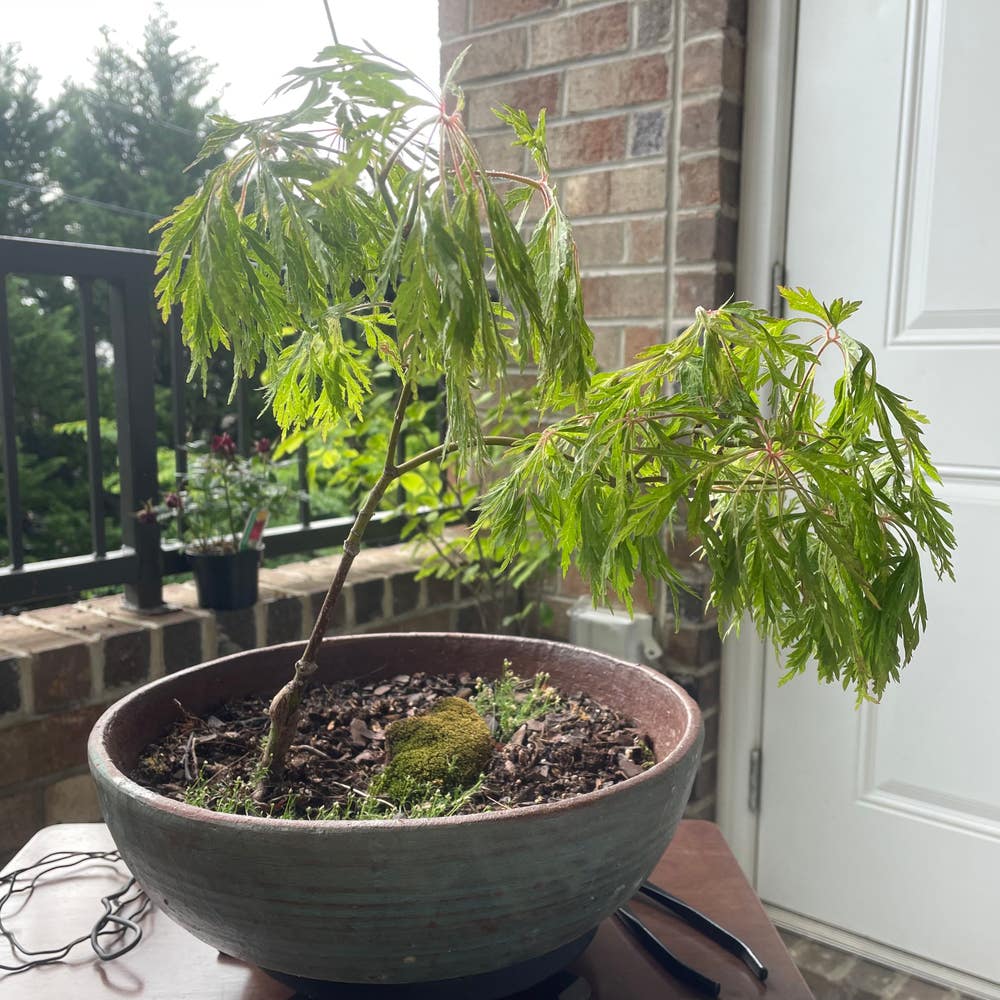
How to Fix Leaves Falling Over on Your Japanese Quince 🍏
Chaenomeles japonica
By the Greg Editorial Team
Oct 12, 2024•5 min read
This article was created with the help of AI so we can cover more plants for you. May contain errors. See one? Report it here.
- 💧 Overwatering causes yellow leaves; adjust watering to prevent mushy stems.
- 🌞 Japanese Quince needs full sun; ensure proper light for healthy growth.
- 🐛 Inspect for pests regularly; early detection prevents further damage.
Diagnosing the Problem
🌊 Identifying Signs of Overwatering
Overwatering can be detrimental to your Japanese Quince. Look for yellowing leaves and mushy stems as primary visual indicators.
To confirm, perform a soil moisture test. You can use your finger to check the soil or employ a moisture meter for a more accurate reading.
💧 Recognizing Signs of Underwatering
On the flip side, underwatering presents its own set of issues. Crispy leaf edges and drooping branches are clear signs that your plant needs more water.
For a thorough assessment, check the soil depth for dryness. If it feels parched several inches down, it’s time to hydrate.
🐛 Checking for Pests and Diseases
Regular inspections are crucial for maintaining plant health. Keep an eye out for webbing, sticky residue, or visible insects that may indicate pest infestations.
Common diseases like leaf spot and blight can also affect your Japanese Quince. Familiarize yourself with their symptoms and control measures to keep your plant thriving.
🌡️ Assessing Environmental Conditions
Environmental factors play a significant role in plant health. Monitor temperature and humidity levels using thermometers and hygrometers to ensure optimal conditions.
Additionally, evaluate sunlight exposure. Japanese Quince thrives in full sun to partial shade, so make sure it’s getting the right amount of light for healthy growth.
By diagnosing these issues early, you can take proactive steps to restore your Japanese Quince to its vibrant self. Next, let’s explore effective solutions to prevent leaf drop.
Solutions to Prevent Leaf Drop
🌊 Adjusting Watering Practices
Watering your Japanese Quince correctly is crucial. Aim for a weekly watering schedule during the growing season, but be ready to adjust based on rainfall and temperature.
If the weather is particularly hot or dry, increase your watering frequency. Conversely, during cooler, wetter periods, you might need to cut back to prevent overwatering.
🪴 Improving Soil Drainage
Proper drainage is essential for healthy plants. Enhance your soil by adding organic matter like compost or peat moss to improve its structure.
Consider creating raised beds to promote better water flow. This simple adjustment can make a significant difference in preventing root rot and other moisture-related issues.
🐞 Implementing Pest Control Measures
Pests can wreak havoc on your Japanese Quince if not managed properly. Adopt integrated pest management strategies that include regular monitoring and early intervention.
Utilizing beneficial insects, such as ladybugs, can help keep pest populations in check. These natural allies are a great way to maintain a healthy garden ecosystem.
🌤️ Modifying Environmental Conditions
Environmental factors play a significant role in plant health. During extreme heat, provide shade using shade cloth or by strategically planting taller plants nearby.
Increasing humidity can also benefit your Japanese Quince. Misting the plants or using humidity trays can create a more favorable environment, especially in dry conditions.
By implementing these solutions, you can effectively prevent leaf drop and promote the overall health of your Japanese Quince. Next, let’s explore long-term care strategies to ensure your plant thrives year-round.
Long-term Care for Japanese Quince
🌱 Fertilization Schedule and Tips
To keep your Japanese Quince thriving, a balanced fertilizer is key. Apply it in spring to give your plant a nutrient boost as it enters the growing season.
When choosing fertilizers, consider organic options like compost or synthetic varieties. Organic fertilizers improve soil health over time, while synthetic ones offer quick nutrient availability.
✂️ Pruning Techniques to Promote Health
Pruning is essential for maintaining the health of your Japanese Quince. The best time to prune is late winter to early spring, just before new growth begins.
Focus on removing dead or crossing branches to improve air circulation. This not only promotes healthy growth but also reduces the risk of disease.
🍂 Seasonal Care Adjustments
Adapting your care routine to the seasons is crucial for your plant's longevity. In winter, apply mulch around the base to protect roots from frost and consider wrapping young plants for added insulation.
During the summer months, ensure regular watering and keep an eye out for pests. This proactive approach will help your Japanese Quince flourish through the heat.
With these long-term care strategies, your Japanese Quince will not only survive but thrive, setting the stage for a vibrant garden. Next, let’s explore how to monitor and maintain your plant for ongoing health.
Monitoring and Maintenance
Regular Inspection for Pests and Diseases 🐛
To keep your Japanese Quince thriving, conduct bi-weekly inspections during the growing season. Look for key signs like leaf discoloration and any visible pests.
Keeping a Care Journal for Tracking Changes 📓
Documenting your care routines is essential for long-term success. Track your watering, fertilization, and pest control efforts, and note any changes in plant health over time.
Signs to Watch for in Healthy vs. Unhealthy Plants 🌱
Healthy Japanese Quince plants display vibrant leaves and robust growth. In contrast, watch for unhealthy indicators such as leaf drop, stunted growth, and discoloration.
By staying vigilant and organized, you can ensure your Japanese Quince remains healthy and vibrant. Next, let’s explore effective long-term care strategies to keep your plant flourishing year-round.
⚠️ Safety First
This content is for general information and may contain errors, omissions, or outdated details. It is not medical, veterinary advice, or an endorsement of therapeutic claims.
Always consult a qualified healthcare professional before using any plant as food, medicine, or supplement.
Never eat any plant (or feed one to pets) without confirming its identity with at least two trusted sources.
If you suspect poisoning, call Poison Control (800) 222-1222, the Pet Poison Helpline (800) 213-6680, or your local emergency service immediately.
Spotted an error? Please report it here.
Keep your Japanese Quince thriving 🌱 by using Greg for personalized watering reminders and pest management tips that ensure your plant stays healthy and vibrant all year round!