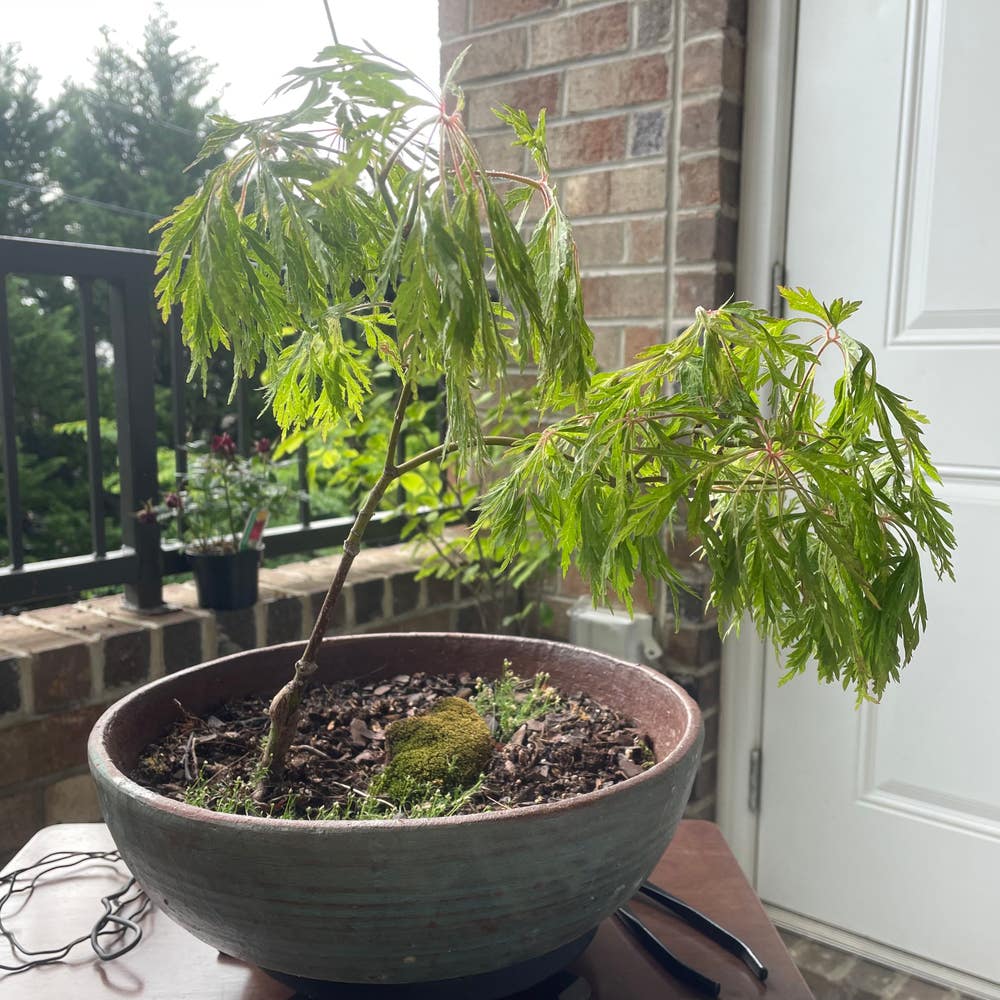
🌸 When to Repot Japanese Quince
Chaenomeles japonica
By the Greg Editorial Team
Oct 12, 2024•6 min read
This article was created with the help of AI so we can cover more plants for you. May contain errors. See one? Report it here.
- 🌱 Signs to repot include roots out of drainage holes and yellowing leaves.
- ⏰ Best time to repot is early spring, just before new growth starts.
- 🧰 Gather materials like a new pot and soil for a successful repotting.
Signs that Japanese Quince Needs Repotting
🌱 Identifying Root Bound Conditions
One of the first signs that your Japanese quince needs repotting is when you notice roots growing out of the drainage holes. This indicates that the plant has outgrown its current pot and is seeking more space.
Another telltale sign is roots circling the pot's interior. If you see this, it’s a clear indication that the plant is root-bound, which can lead to stunted growth or a lack of flowering.
🔍 Other Indicators
If the soil dries out too quickly after watering, it may signal that the plant is struggling for nutrients and space. This rapid drying can hinder the plant's overall health.
Additionally, look for visible signs of stress, such as yellowing leaves. If the pot size seems inadequate for the plant's height and width, it’s time to consider repotting to give your Japanese quince the room it needs to thrive.
Recognizing these signs early can make a significant difference in your plant's health and vitality. By addressing these issues promptly, you can ensure your Japanese quince continues to flourish.
Next, let’s explore the ideal timing for repotting your Japanese quince.
Ideal Timing for Repotting
🌱 Seasonal Considerations
Timing is crucial when it comes to repotting your Japanese quince. The best time to repot is early spring, just before new growth begins. This allows the plant to adjust and thrive in its new environment.
If you miss that window, consider late summer as an alternative. Repotting after flowering has finished can also be effective, giving the plant a chance to settle before the cooler months.
⏰ Frequency of Repotting
How often should you repot? For mature Japanese quince plants, a general guideline is every 2-3 years. This keeps the roots healthy and the plant flourishing.
Young plants, on the other hand, may need more frequent repotting as they grow. Their rapid development means they can quickly outgrow their pots, so keep an eye on them!
With the right timing and frequency, your Japanese quince can thrive beautifully. Now, let’s dive into the step-by-step guide for repotting!
Step-by-Step Guide to Repotting Japanese Quince
🛠️ Preparation Steps
Repotting your Japanese Quince starts with gathering the right materials. You'll need a new pot, potting soil, pruning shears, and gloves.
Choose a pot that is 1-2 inches larger in diameter than the current one. This extra space allows for healthy root growth.
Ensure the new pot has adequate drainage holes. Good drainage is crucial to prevent waterlogging.
🌱 Repotting Process
Now, let’s dive into the actual repotting process. Carefully remove the plant from its current pot, taking care not to damage the roots.
Loosen any tightly bound roots. This step is essential for encouraging new growth.
Trim away any dead or damaged roots. Healthy roots are key to a thriving plant.
Place a layer of potting soil in the new pot. This base layer supports the plant as it settles in.
Position the plant in the center and fill with soil. Make sure the root ball is level with the pot rim for stability.
Finally, water thoroughly to settle the soil. This helps eliminate air pockets and ensures the roots make good contact with the new soil.
With these steps, your Japanese Quince will be well on its way to thriving in its new home. Next, let’s explore the best pot materials for your plant.
Best Pot Materials for Japanese Quince
Recommended Materials 🌱
Choosing the right pot material is crucial for the health of your Japanese quince.
- Terracotta: This classic option excels in drainage and air circulation, making it ideal for preventing root rot.
- Ceramic: Not only does it look great, but it also retains moisture well, which can be beneficial in warmer climates.
Pros and Cons of Plastic Pots 💔
Plastic pots have their own set of advantages and disadvantages.
- Pros: They are lightweight, affordable, and come in a variety of sizes, making them easy to handle and find.
- Cons: However, they often lack proper drainage and can retain too much moisture, which might lead to root rot if not monitored closely.
Impact of Pot Material on Plant Health and Growth 🌿
The material of your pot significantly influences your plant's overall health.
- It affects moisture retention, drainage, and temperature regulation.
- For instance, terracotta allows for quick evaporation, keeping the roots cool, while ceramic can help maintain a more stable moisture level.
Choosing the right pot material is not just about aesthetics; it’s about creating the best environment for your Japanese quince to thrive.
Next, let’s explore the recommended potting soil that will complement your choice of pot material.
Recommended Potting Soil for Japanese Quince
🌱 Ideal Soil Composition
For Japanese Quince, a well-draining potting mix is essential. Aim for a blend that includes 50% potting soil, 25% perlite, and 25% compost to provide the right balance of nutrients and drainage.
🚰 Importance of Drainage in Pot Selection
Good drainage is crucial to prevent waterlogging, which can lead to root rot. Proper drainage ensures that your plant receives adequate oxygen, promoting healthy root growth and overall vitality.
Choosing the right potting soil not only supports your Japanese Quince's health but also enhances its growth potential. With the right mix, you set the stage for a thriving plant that can flourish in your care.
Next, let’s explore the best pot materials for your Japanese Quince to complement this ideal soil composition.
Post-Repotting Care
💧 Watering Schedule After Repotting
After repotting your Japanese Quince, the first step is to thoroughly soak the soil. This initial watering helps settle the soil around the roots.
Follow up by watering when the top inch of soil feels dry. This ensures your plant stays hydrated without becoming waterlogged.
🚨 Signs of Stress After Repotting
Keep an eye out for signs of stress in your plant. Wilting leaves or drooping branches can indicate that your Japanese Quince is struggling.
You might also notice leaf drop or discoloration. These symptoms can be a cry for help from your plant.
🛠️ Addressing Stress Symptoms
To address these stress symptoms, ensure you’re watering properly. Avoid overwatering, as this can worsen the situation.
Providing indirect sunlight can also help reduce stress. Too much direct light can be overwhelming for a newly repotted plant.
🌱 Fertilization Considerations Post-Repotting
It's best to delay fertilization for 4-6 weeks after repotting. This gives the roots time to settle into their new environment.
Once settled, use a balanced, slow-release fertilizer. This will support healthy growth without shocking the plant.
By following these post-repotting care tips, you’ll help your Japanese Quince thrive in its new home. Next, let’s explore the best pot materials to ensure your plant’s continued success.
⚠️ Safety First
This content is for general information and may contain errors, omissions, or outdated details. It is not medical, veterinary advice, or an endorsement of therapeutic claims.
Always consult a qualified healthcare professional before using any plant as food, medicine, or supplement.
Never eat any plant (or feed one to pets) without confirming its identity with at least two trusted sources.
If you suspect poisoning, call Poison Control (800) 222-1222, the Pet Poison Helpline (800) 213-6680, or your local emergency service immediately.
Spotted an error? Please report it here.
Repot your Japanese quince like a pro 🌱 with Greg's tailored reminders and expert tips, ensuring your plant enjoys a thriving new home!