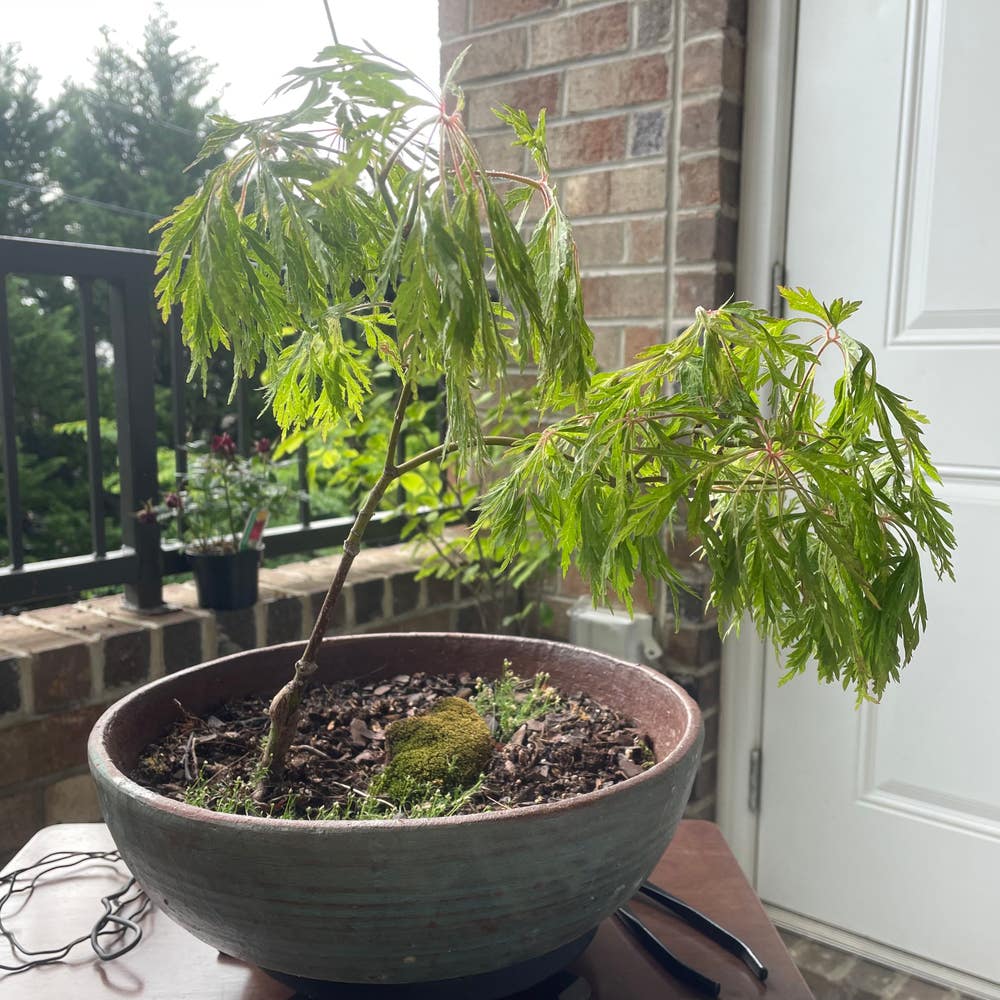
5 Tips for Healing Black Spots on Your Japanese Quince 🩹
Chaenomeles japonica
By the Greg Editorial Team
Oct 12, 2024•5 min read
This article was created with the help of AI so we can cover more plants for you. May contain errors. See one? Report it here.
- 🌧️ Black spots on Japanese quince stem from fungal infections and bacterial leaf spots.
- 🌱 Prevent infections by ensuring good drainage and monitoring humidity levels.
- 🧴 Use organic treatments like neem oil for effective black spot management.
Causes of Black Spots on Leaves
🦠 Fungal Infections
Fungal infections are a primary culprit behind black spots on Japanese quince leaves. These pathogens thrive in humid conditions, making your plant vulnerable, especially during wet seasons.
🦠 Bacterial Leaf Spot
Bacterial leaf spot is another common issue. This condition arises from bacterial pathogens and manifests as distinct symptoms that can quickly spread if not addressed.
🌧️ Environmental Stress
Environmental factors can exacerbate these problems. Poor soil drainage and high humidity levels create stress for your plant, making it more susceptible to infections.
Understanding these causes is essential for effective treatment and prevention. By addressing the root issues, you can help your Japanese quince thrive and avoid the dreaded black spots.
Next, we’ll explore how to diagnose the problem effectively.
Diagnosing the Problem
Understanding the type of infection affecting your Japanese Quince is crucial for effective treatment. Identifying whether the issue is fungal or bacterial can save your plant from further damage.
🦠 Differentiating Between Fungal and Bacterial Infections
Fungal infections typically present as irregular, dark spots with fuzzy edges. These spots often spread quickly, indicating a thriving fungal environment.
In contrast, bacterial infections manifest as water-soaked, greasy spots that may ooze. These symptoms can be alarming, but recognizing them early can help you take action.
🌧️ Environmental Factors Contributing to Black Spots
Humidity levels play a significant role in promoting fungal growth. High humidity creates a perfect breeding ground for these pathogens.
Soil conditions are equally important; poor drainage can lead to root stress, making your plant more vulnerable to diseases.
Additionally, air circulation is a key factor. Dense foliage can trap moisture, increasing the risk of both fungal and bacterial infections.
By diagnosing the problem accurately and understanding these environmental factors, you can take the first steps toward restoring your Japanese Quince's health. Next, let’s explore effective treatment options to combat these issues.
Treatment Options
Effective treatment is essential for restoring plant health and preventing further damage. Addressing black spots on your Japanese quince promptly can make a significant difference in its overall vitality.
🌱 Organic and Chemical Treatments for Black Spots
When it comes to treating black spots, you have options. Organic fungicides like neem oil and copper-based solutions are great for those who prefer a natural approach.
In more severe cases, synthetic fungicides may be necessary. These chemical treatments can provide a stronger defense against persistent infections.
📝 Step-by-Step Guide to Applying Fungicides
Applying fungicides effectively can be straightforward. Follow these steps to ensure your Japanese quince receives the best care:
- Identify the type of infection. Understanding whether it's fungal or bacterial is crucial.
- Choose the appropriate fungicide. Decide between organic or chemical based on the severity.
- Prepare the solution. Follow the package instructions carefully for the best results.
- Apply in the early morning or late evening. This timing helps avoid leaf burn from the sun.
- Repeat application as recommended. Typically, this is every 7-14 days for optimal effectiveness.
💧 Importance of Proper Watering Techniques
Watering practices play a vital role in plant health. Always water at the base of the plant to keep the leaves dry and reduce the risk of further infection.
Timing is also essential; water in the morning to allow the foliage to dry throughout the day. Additionally, ensure your soil is well-drained to prevent root rot and stress, which can make your plant more susceptible to diseases.
By following these treatment options and techniques, you can effectively combat black spots and promote a healthier Japanese quince. Next, let’s explore preventive measures to keep your plant thriving.
Preventive Measures
Prevention is key to maintaining healthy Japanese Quince and avoiding black spots. By implementing a few best practices, you can significantly reduce the risk of infections.
🌱 Best Practices for Soil Drainage and Aeration
Soil composition plays a crucial role in plant health. Use well-draining soil mixes to prevent waterlogging, which can lead to root rot.
To enhance drainage, consider adding perlite or sand. These materials improve aeration, allowing roots to breathe and thrive.
✂️ Pruning Techniques to Improve Air Circulation
Regular pruning is essential for enhancing airflow around your plants. Trim dense areas to prevent moisture buildup, which can foster disease.
The best time to prune is in late winter or early spring, just before new growth begins. This timing ensures your Japanese Quince can recover quickly and grow strong.
🍂 Seasonal Care Tips to Prevent Black Spots
Adjust your care routine with the changing seasons. Monitor humidity levels and adjust your watering schedule accordingly to prevent excess moisture.
Using balanced fertilizers promotes healthy growth and resilience in your plants. This proactive approach helps them withstand potential diseases.
By following these preventive measures, you can keep your Japanese Quince healthy and vibrant. Next, let’s explore how to monitor and maintain your plants effectively.
Monitoring and Maintenance
Regular monitoring is essential for catching issues early and ensuring the health of your Japanese Quince. By staying proactive, you can prevent minor problems from escalating into major headaches.
🔍 Regular Inspection of Leaves for Early Signs
Inspect your leaves weekly during the growing season. Look for early black spots or discoloration, as these can indicate underlying issues that need attention.
🌱 Importance of Maintaining Plant Health
Healthy plants are less susceptible to diseases, making overall care crucial. Ensure your Japanese Quince receives adequate nutrients through proper fertilization to promote resilience.
🩺 When to Seek Professional Help
If black spots persist despite your treatment efforts, it may be time to consult a professional. A plant health expert can provide accurate diagnosis and tailored treatment options to get your plant back on track.
By keeping a close eye on your Japanese Quince and maintaining its health, you can enjoy a vibrant, thriving plant. Next, let’s explore preventive measures to keep those pesky black spots at bay.
⚠️ Safety First
This content is for general information and may contain errors, omissions, or outdated details. It is not medical, veterinary advice, or an endorsement of therapeutic claims.
Always consult a qualified healthcare professional before using any plant as food, medicine, or supplement.
Never eat any plant (or feed one to pets) without confirming its identity with at least two trusted sources.
If you suspect poisoning, call Poison Control (800) 222-1222, the Pet Poison Helpline (800) 213-6680, or your local emergency service immediately.
Spotted an error? Please report it here.
Keep your Japanese quince spot-free 🌿 by using Greg's personalized care tips and reminders to tackle black spots before they take hold!