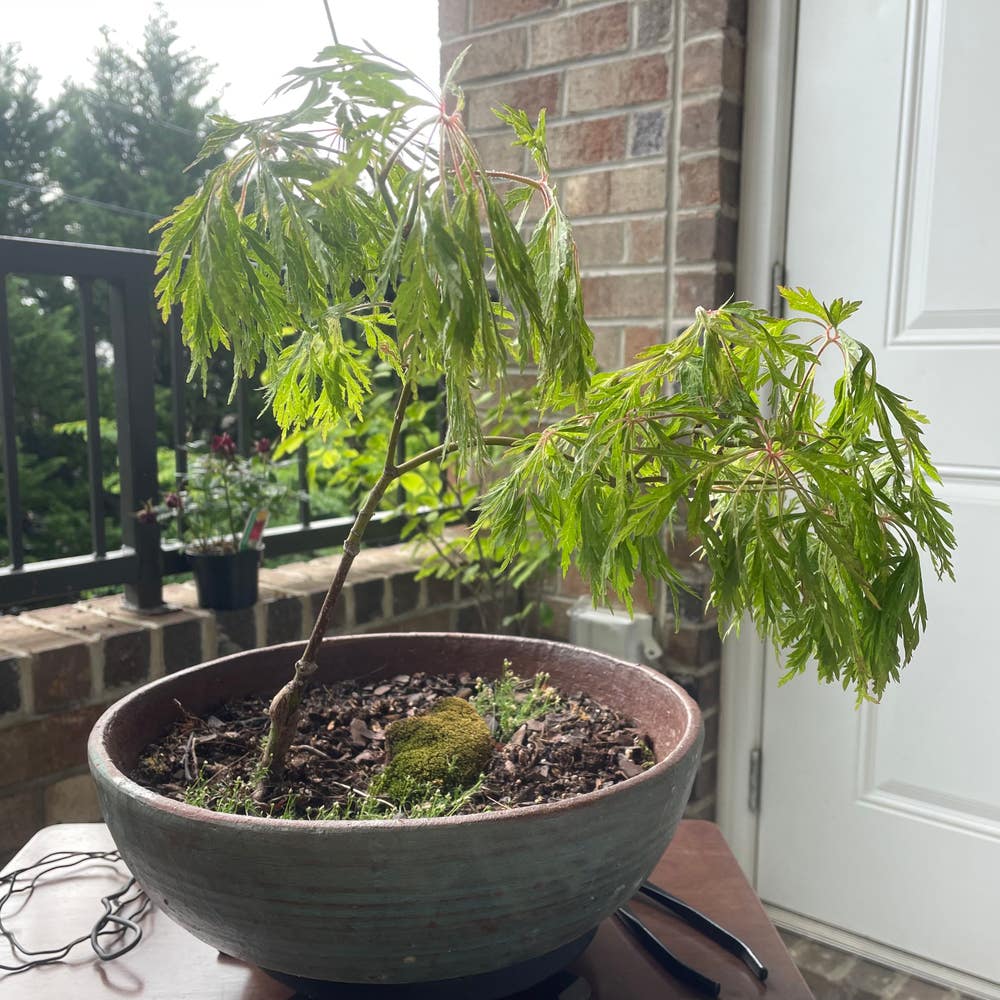
Japanese Quince: A Perennial Plant
Chaenomeles japonica
By the Greg Editorial Team
Oct 12, 2024•5 min read
This article was created with the help of AI so we can cover more plants for you. May contain errors. See one? Report it here.
- 🌸 Japanese Quince blooms early, showcasing vibrant flowers before leaves appear in spring.
- 🌱 This low-maintenance perennial thrives for 10-20 years with minimal replanting needed.
- 🌍 Adaptable to various climates, it enriches gardens while supporting local wildlife.
Characteristics of Japanese Quince as a Perennial
Multi-Year Lifecycle 🌱
Japanese Quince is a remarkable perennial that thrives over multiple seasons. Its multi-year lifecycle allows it to survive harsh winters and bloom again each spring, showcasing its impressive resilience.
Growth Patterns and Root Regrowth 🌿
In spring, Japanese Quince bursts forth with vibrant, cup-shaped flowers before the leaves even appear. This early bloom is a hallmark of its growth patterns, as it regrows from established roots each year, emphasizing the strength and resilience of its root system.
The ability to regenerate from these roots not only supports its longevity but also contributes to its overall hardiness. Gardeners can appreciate how this perennial nature minimizes the need for replanting, making it a low-maintenance choice for any garden.
As we explore the flowering patterns and lifespan of Japanese Quince, we’ll see how these characteristics further enhance its appeal.
Flowering Patterns and Lifespan
🌸 Flowering Patterns
Japanese Quince bursts into bloom in early spring, showcasing vibrant flowers before the leaves even think about emerging. This early display not only brightens gardens but also signals the start of the growing season.
Different varieties, like 'Texas Scarlet' and 'Pink Lady,' offer unique flowering characteristics. From color variations to flower shapes, these distinctions can add a delightful diversity to your garden.
⏳ Expected Lifespan and Longevity Factors
Under optimal conditions, Japanese Quince can live between 10 to 20 years as a perennial. This longevity makes it a reliable choice for gardeners looking for lasting beauty.
Several factors influence its lifespan. Soil quality and drainage play crucial roles, as does the climate and care practices you implement. Proper attention to these elements can significantly enhance the plant's vitality and lifespan.
In summary, understanding the flowering patterns and lifespan of Japanese Quince helps you appreciate its beauty and resilience. Next, we’ll explore the dormancy and seasonal changes that affect this remarkable plant.
Dormancy and Seasonal Changes
🌱 Description of Dormancy Periods
During winter, Japanese Quince enters a state of dormancy, conserving energy for the upcoming growing season. This period is marked by leaf drop and significantly reduced activity, signaling the plant's rest.
🌸 Seasonal Changes in Growth and Appearance
As spring arrives, the Japanese Quince awakens, resuming growth and showcasing vibrant flowers.
In summer, the plant focuses on leaf development and fruiting, creating a lush green appearance that attracts attention.
As fall approaches, the Japanese Quince prepares for dormancy, with foliage changing color and nutrients being stored in the roots. This seasonal cycle not only highlights the plant's resilience but also its adaptability to changing conditions.
Understanding these dormancy and seasonal changes can help gardeners better care for their Japanese Quince, ensuring it thrives year after year. Next, we’ll explore the advantages this perennial offers for gardeners.
Advantages for Gardeners
Benefits of Reduced Replanting 🌱
Japanese Quince is a perennial powerhouse, meaning it doesn’t require annual replanting. This characteristic not only saves gardeners time but also cuts down on costs, making it a smart choice for any garden enthusiast.
With Japanese Quince, you can enjoy the beauty of vibrant blooms year after year without the hassle of starting from scratch. This resilience allows you to focus on other gardening tasks, enhancing your overall gardening experience.
Importance of Established Root Systems 🌳
Established root systems are a game-changer for Japanese Quince. These robust roots provide enhanced drought resistance, allowing the plant to thrive even in less-than-ideal conditions.
Moreover, strong roots improve nutrient uptake and stabilize the soil. This means healthier plants and a more resilient garden ecosystem, making your gardening efforts more rewarding and effective.
Incorporating Japanese Quince into your garden not only simplifies maintenance but also enriches the soil and supports local wildlife. As we explore the next topic, consider how these advantages can be maximized in various climate zones.
Climate Zone Variations
🌍 Variations in Perennial Behavior Across Climates
Japanese Quince is remarkably adaptable, thriving primarily in temperate climates. However, it can also tolerate a variety of conditions, making it a versatile choice for many gardeners.
Extreme temperatures can significantly impact its growth and dormancy. In colder climates, the plant may enter dormancy earlier, while in warmer regions, it might experience extended growth periods.
🌱 Tips for Maximizing Benefits in Different Conditions
To ensure your Japanese Quince flourishes, consider these practical tips:
Soil Amendments: Enhance drainage by mixing in organic matter or sand. This helps prevent root rot and promotes healthy growth.
Mulching Techniques: Apply a layer of mulch around the base to protect roots during winter. This insulates the soil and retains moisture.
Selecting Varieties: Choose varieties suited to your local climate. For instance, 'Texas Scarlet' may perform better in warmer areas, while 'Pink Lady' can thrive in cooler zones.
By following these guidelines, you can maximize the benefits of Japanese Quince in your garden, ensuring a vibrant display year after year. Next, let’s explore the advantages this perennial offers to gardeners.
⚠️ Safety First
This content is for general information and may contain errors, omissions, or outdated details. It is not medical, veterinary advice, or an endorsement of therapeutic claims.
Always consult a qualified healthcare professional before using any plant as food, medicine, or supplement.
Never eat any plant (or feed one to pets) without confirming its identity with at least two trusted sources.
If you suspect poisoning, call Poison Control (800) 222-1222, the Pet Poison Helpline (800) 213-6680, or your local emergency service immediately.
Spotted an error? Please report it here.
Transform your garden with the vibrant blooms of Japanese Quince 🌼, and let Greg guide you with tailored care tips to ensure your plant flourishes season after season!