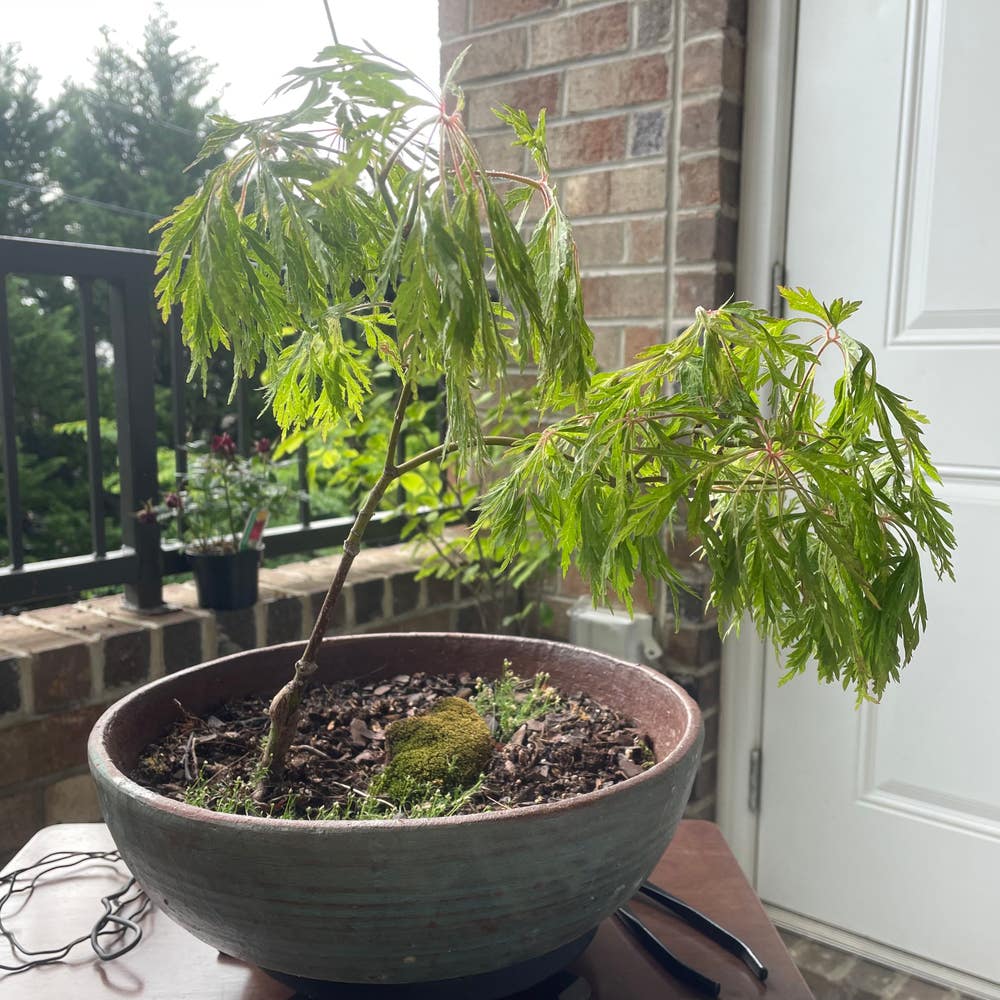
Humidity Needs for Your Japanese Quince 🍑
Chaenomeles japonica
By the Greg Editorial Team
Oct 12, 2024•4 min read
This article was created with the help of AI so we can cover more plants for you. May contain errors. See one? Report it here.
- 🌬️ Japanese Quince thrives at 40-60% humidity for optimal growth and blooms.
- 💧 Low humidity causes wilting and pests, while high humidity risks mold growth.
- 🌿 Humidity trays and grouping plants enhance moisture levels for your Japanese Quince.
Ideal Humidity Levels for Japanese Quince
🌬️ Optimal Humidity Range
For your Japanese Quince to thrive, aim for a relative humidity of 40-60%. This range is crucial for promoting healthy growth and vibrant blooms.
Consistency is key. Fluctuations outside this ideal range can disrupt flowering and compromise the overall health of your plant.
🌸 Effects of Humidity on Growth and Flowering
High humidity levels can work wonders for your Japanese Quince. They encourage lush foliage and an abundance of flowers, making your plant a stunning focal point.
On the flip side, low humidity can spell trouble. It may lead to wilting, reduced flowering, and increased vulnerability to pests and diseases, which is something every gardener wants to avoid.
Understanding these humidity dynamics will help you create the perfect environment for your Japanese Quince. With the right conditions, you can enjoy a flourishing plant that brings joy to your space.
Next, let’s explore some effective strategies for boosting humidity around your Japanese Quince.
Strategies for Boosting Humidity
🌊 Using Humidity Trays and Pebbles
To create a mini-haven for your Japanese Quince, fill a shallow tray with water and pebbles. Place the pot on top; this setup increases localized humidity around the plant, making it feel right at home.
🌱 Grouping Plants for Increased Humidity
Another effective method is to cluster your Japanese Quince with other humidity-loving plants. This creates a microenvironment that naturally boosts humidity levels, benefiting all the plants involved.
💦 Misting Techniques and Their Effectiveness
Misting your Japanese Quince can be beneficial, especially during dry spells. Aim to mist the leaves 1-2 times a week, but be cautious—over-misting can lead to fungal issues.
💨 Humidifiers: When and How to Use Them
If you're indoors, consider using a humidifier. You can choose between portable or whole-room options; just set it to maintain humidity levels within the ideal range for your Japanese Quince.
By implementing these strategies, you can create a thriving environment for your Japanese Quince. Next, let’s explore how to reduce humidity when it becomes excessive.
Strategies for Reducing Humidity
🌬️ Ventilation Techniques for High Humidity
Good air circulation is crucial for preventing mold and mildew on your Japanese Quince. Open windows or use fans to improve airflow and keep humidity levels in check.
🪴 Choosing the Right Potting Mix for Drainage
Opt for a well-draining soil mix, ideally with added perlite or sand. This prevents water retention, which can lead to excess humidity around the roots.
🚫 Placement Considerations to Avoid Excess Moisture
Keep your Japanese Quince away from overly humid areas, like bathrooms or poorly ventilated rooms. Ensure it receives adequate sunlight to help evaporate any excess moisture.
By implementing these strategies, you can create a healthier environment for your Japanese Quince, promoting its growth and vitality. Next, let’s explore how to monitor humidity levels effectively.
Monitoring Humidity
📏 Tools for Measuring Humidity Levels
To keep your Japanese Quince thriving, accurate humidity readings are crucial. Hygrometers are your best friends here, providing essential data on moisture levels.
You can choose between digital and analog hygrometers. Digital models often offer ease of use and quick readings, while analog versions can be more straightforward for those who prefer simplicity.
👀 Signs of Inadequate or Excessive Humidity
Monitoring humidity isn't just about numbers; it's also about observing your plant. Low humidity can manifest as wilting leaves, browning tips, and a noticeable drop in flowering.
On the flip side, high humidity can lead to mold growth, leaf drop, and pest infestations. Keeping an eye on these signs can save your plant from unnecessary stress.
🔧 Adjusting Care Based on Humidity Readings
Regularly checking humidity levels is key to maintaining a healthy environment. Aim to monitor your readings weekly and adjust your care strategies accordingly.
If you notice fluctuations, be proactive. Implement boosting or reducing strategies based on your findings to keep your Japanese Quince in its ideal humidity zone. This attention to detail will ensure your plant remains vibrant and flourishing.
⚠️ Safety First
This content is for general information and may contain errors, omissions, or outdated details. It is not medical, veterinary advice, or an endorsement of therapeutic claims.
Always consult a qualified healthcare professional before using any plant as food, medicine, or supplement.
Never eat any plant (or feed one to pets) without confirming its identity with at least two trusted sources.
If you suspect poisoning, call Poison Control (800) 222-1222, the Pet Poison Helpline (800) 213-6680, or your local emergency service immediately.
Spotted an error? Please report it here.
Keep your Japanese Quince thriving with vibrant blooms 🌸 by using Greg's tailored humidity tips and monitoring tools to create the ideal environment for growth!