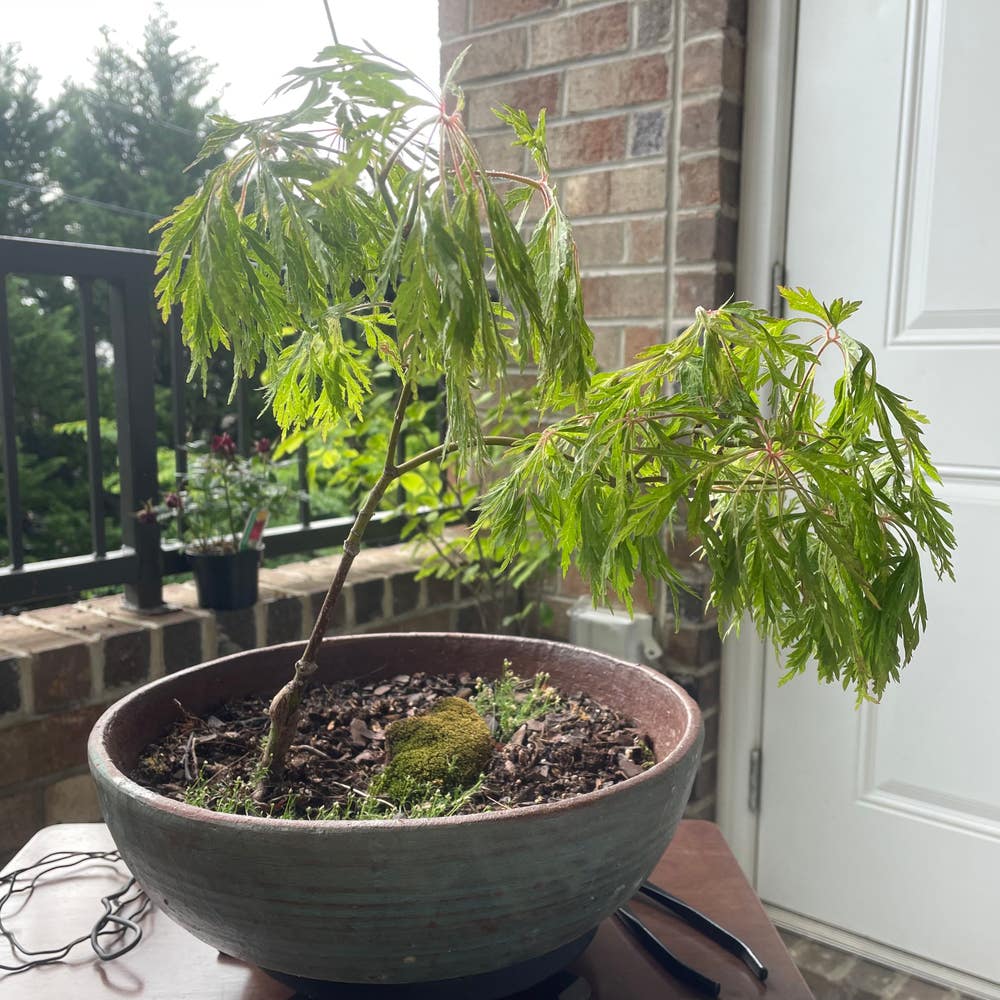
🍐 Japanese Quince Is Not an Annual
Chaenomeles japonica
By the Greg Editorial Team
Oct 14, 2024•3 min read
This article was created with the help of AI so we can cover more plants for you. May contain errors. See one? Report it here.
- 🌱 Japanese quince is a perennial, thriving for 20 years or more in gardens.
- 🌍 Adaptable to various climates, it survives extreme weather through dormancy and resilience.
- 🐝 Attracts pollinators with early spring flowers, enhancing biodiversity in your garden.
Japanese Quince as a Perennial
🌱 Genetic Characteristics
Japanese quince boasts a unique genetic makeup that supports its perennial nature. Its traits, such as robust growth and adaptability, enable it to thrive year after year.
🌍 Adaptations
This plant is resilient to environmental stressors, making it well-suited for various climates. Its ability to withstand harsh conditions is a testament to its evolutionary advantages.
🌿 Physiological Traits Supporting Perennial Growth
Root System
The root system of Japanese quince is deep and extensive. This characteristic aids in nutrient absorption, allowing the plant to access resources that promote longevity.
Dormancy
One of the remarkable features of Japanese quince is its ability to enter dormancy. This survival strategy helps it endure adverse conditions, such as extreme cold or drought.
Growth Patterns
Japanese quince exhibits distinct seasonal growth cycles. Leaf emergence and flowering occur at specific times, ensuring the plant maximizes its growth potential.
⏳ Long-term Lifecycle and Growth Patterns
Lifespan
Japanese quince can live for 20 years or more. This impressive lifespan highlights its value as a perennial in gardens.
Growth Stages
The plant progresses through several growth stages: juvenile, mature, and senescent. Each phase contributes to its overall lifecycle and health.
Seasonal Changes
In early spring, Japanese quince flowers, followed by leaf development and fruiting. These seasonal changes create a dynamic garden presence.
🌸 Reproductive Strategies
Flowering Cycles
Japanese quince flowers in early spring, often before leaves emerge. These vibrant blooms attract pollinators, enhancing its reproductive success.
Flower Characteristics
The showy flowers are not just visually appealing; they play a crucial role in attracting pollinators. This interaction is vital for the plant's reproduction.
Pollination Strategies
Japanese quince employs both self-pollination and cross-pollination. This flexibility increases its chances of successful reproduction.
🌱 Seed Production and Dispersal
Seed Formation
After flowering, seed formation begins. This development is essential for the continuation of the species.
Dispersal Methods
Seeds are dispersed through natural mechanisms and human-assisted propagation. This adaptability helps the plant thrive in various environments.
❓ Misconceptions and Exceptions
Conditions Leading to Annual Treatment
Certain climate factors, such as extreme cold or drought, can lead to the perception of Japanese quince as an annual. Mismanagement in cultural practices can also contribute to this misunderstanding.
Regional Variations Affecting Growth Perception
Differences in hardiness zones significantly impact growth and flowering. Local gardening practices further influence how this plant is classified.
🌼 Garden Design Implications
Benefits in Perennial Gardens
Japanese quince adds aesthetic appeal with its showy flowers and dense foliage. It also creates habitats that attract pollinators and wildlife.
Planning for Long-term Growth
When planning a garden, consider spacing to accommodate the mature size of Japanese quince. This foresight ensures year-round visual interest.
📈 Maximizing Longevity
Tips for Management
To maintain shape and health, employ effective pruning techniques. Understanding the plant's nutrient needs throughout the growing season is also crucial.
Seasonal Care Considerations
In spring, focus on fertilization and pruning. Summer requires diligent watering and pest monitoring, while fall is the time to prepare for dormancy.
Strategies for Pest and Disease Management
Identifying common pests and implementing control methods is essential. Best practices for disease prevention will promote healthy growth, while organic management techniques offer sustainable care options.
With these insights, you can appreciate the value of Japanese quince as a perennial. Its unique characteristics and adaptability make it a fantastic addition to any garden. Next, let’s explore the garden design implications of incorporating this resilient plant.
⚠️ Safety First
This content is for general information and may contain errors, omissions, or outdated details. It is not medical, veterinary advice, or an endorsement of therapeutic claims.
Always consult a qualified healthcare professional before using any plant as food, medicine, or supplement.
Never eat any plant (or feed one to pets) without confirming its identity with at least two trusted sources.
If you suspect poisoning, call Poison Control (800) 222-1222, the Pet Poison Helpline (800) 213-6680, or your local emergency service immediately.
Spotted an error? Please report it here.
Embrace the resilience of Japanese quince 🌱 and let Greg guide you with tailored care tips to help your garden thrive for years to come!