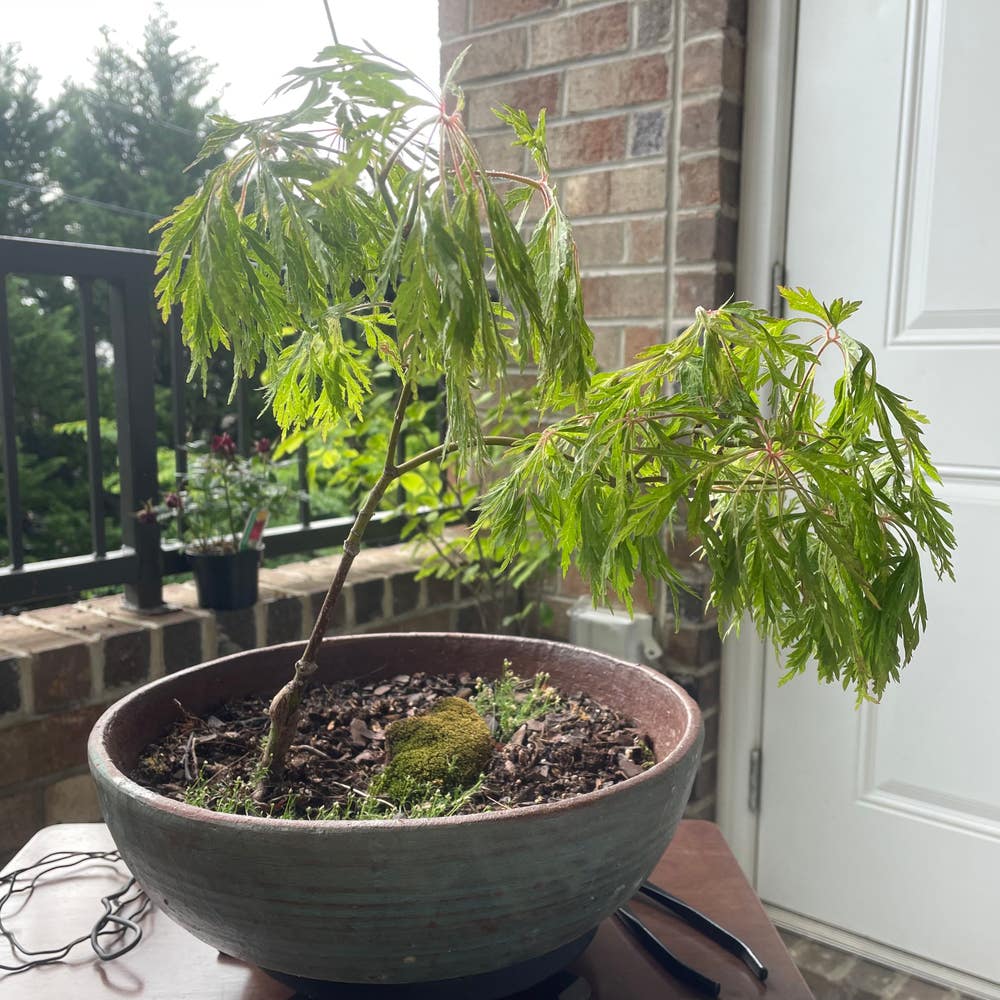
🌸 Top 7 Pot Options to Make Your Japanese Quince Thrive
Chaenomeles japonica
By the Greg Editorial Team
Oct 12, 2024•5 min read
This article was created with the help of AI so we can cover more plants for you. May contain errors. See one? Report it here.
- 🌱 Choose pot sizes wisely: 4-6 inches for seedlings, 14-18 for mature plants.
- 🕳️ Drainage holes are essential: Prevent root rot with at least 2-3 holes.
- 🌿 Repot when roots outgrow: Look for roots in drainage holes as a sign.
Importance of Pot Size for Different Growth Stages
Recommended Pot Sizes 🌱
Seedlings
For seedlings, the ideal container size is 4-6 inches in diameter. This smaller pot allows for initial root establishment without overwhelming the young plant.
Young Plants
As plants grow, they transition to an 8-12 inch diameter pot. This size provides ample space for root expansion, crucial for their development.
Mature Plants
Mature plants thrive best in pots that are 14-18 inches in diameter. This larger size accommodates extensive root systems and supports overall plant health.
Growth Stage Considerations 📏
Pot size significantly impacts growth stages. Seedlings require smaller pots to prevent overwatering, which can be detrimental at this stage.
Young plants benefit from moderate space, allowing their roots to develop properly. In contrast, mature plants need larger pots to sustain their growth and flowering effectively.
Choosing the right pot size at each stage is essential for nurturing your Japanese quince. This attention to detail ensures that your plant remains healthy and vibrant as it matures.
Pot Materials
🌱 Clay Pots
Clay pots are a gardener's classic choice. They offer excellent breathability and drainage, which is crucial for healthy root systems.
However, they come with some downsides. Clay pots are heavier and can crack in extreme temperatures, plus they may require more frequent watering due to moisture evaporation.
🪴 Plastic Pots
Plastic pots are the go-to for many due to their lightweight nature. They are easy to move around and retain moisture longer, which can reduce how often you need to water.
On the flip side, they have poor breathability. This can lead to root rot if drainage isn't managed properly, and they tend to be less durable than clay, especially outdoors.
🎨 Other Materials to Consider
Ceramic Pots
Ceramic pots are visually appealing and can add a touch of elegance to your plant display. However, they can be heavy and often require drainage holes to prevent water accumulation.
🥇 Metal Pots
Metal pots offer good insulation but can heat up quickly. This rapid temperature change can negatively affect root health, so keep an eye on them.
♻️ Composite Materials
Composite pots are often lightweight and durable, making them a practical choice. Just be sure to check their drainage capabilities to ensure your Japanese quince thrives.
Choosing the right pot material is essential for your plant's health. Each option has its pros and cons, so consider your specific needs and environment before making a decision.
Next, let’s dive into the importance of drainage considerations for your pots.
Drainage Considerations
Importance of Drainage Holes 🌧️
Drainage holes are crucial for preventing water accumulation, which can lead to root rot. Aim for at least 2-3 drainage holes to ensure optimal water flow.
Ensuring Proper Drainage in Pots 🚰
To promote proper drainage, use a well-draining potting mix. Additionally, adding a layer of gravel or stones at the bottom of the pot can enhance drainage efficiency.
Signs of Poor Drainage ⚠️
Watch for yellowing leaves and wilting, even when you’ve watered adequately. Root rot can manifest as mushy roots and a foul odor, signaling that immediate action is necessary.
Addressing drainage issues promptly is vital for maintaining plant health. By ensuring your pots have the right drainage setup, you can help your Japanese Quince thrive.
Next, let’s explore the guidelines for repotting your plants effectively.
Repotting Guidelines
🕒 When to Repot
Recognizing when to repot your Japanese quince is crucial for its health. Look for roots growing out of the drainage holes, as this is a clear sign that your plant needs more space.
Additionally, if you notice stunted growth or yellowing leaves, it may be time for a change. Soil that dries out too quickly can also indicate that your plant has outgrown its pot.
🪴 Choosing the Right Pot When Repotting
Selecting the right pot is essential for successful repotting. Aim for a pot that is 2-4 inches larger in diameter than the current one to give your plant room to grow.
Make sure the new pot has adequate drainage holes to prevent water accumulation, which can lead to root rot.
📋 Step-by-Step Guide to Repotting
Repotting your Japanese quince can be straightforward if you follow these steps:
- Prepare the new pot with fresh, well-draining potting mix to provide a healthy environment.
- Gently remove the plant from its current pot, being careful not to damage the roots during the process.
- Inspect the roots for any signs of rot and trim them if necessary to promote healthy growth.
- Place the plant in the center of the new pot and fill it with soil, ensuring the root ball is level with the rim.
- Water thoroughly to settle the soil and eliminate air pockets, ensuring your plant is well-hydrated.
By following these guidelines, you can ensure your Japanese quince continues to thrive in its new home. Proper repotting not only supports growth but also enhances overall plant health, setting the stage for vibrant blooms and fruitful yields.
As you prepare to repot, consider how your pot choice impacts your plant's long-term health and growth.
Impact of Pot Choice on Health and Growth
🌱 How Pot Choice Affects Root Development
Choosing the right pot size and material is crucial for healthy root expansion. When roots are cramped, they can start circling, which stunts growth and leads to overall plant stress.
💧 Effects of Pot Size on Water Retention and Nutrient Availability
Larger pots are fantastic for retaining moisture, making them ideal for mature plants that need consistent hydration. Conversely, smaller pots dry out quickly, requiring more frequent watering, which can deplete nutrients faster.
⚠️ Long-Term Health Implications of Improper Pot Selection
Opting for the wrong pot can cause chronic stress in your Japanese quince, resulting in fewer flowers and fruits. Regularly monitor your plant's health and be ready to adjust pot sizes to keep it thriving.
With the right pot choice, your Japanese quince can flourish beautifully, setting the stage for the next topic on repotting guidelines.
⚠️ Safety First
This content is for general information and may contain errors, omissions, or outdated details. It is not medical, veterinary advice, or an endorsement of therapeutic claims.
Always consult a qualified healthcare professional before using any plant as food, medicine, or supplement.
Never eat any plant (or feed one to pets) without confirming its identity with at least two trusted sources.
If you suspect poisoning, call Poison Control (800) 222-1222, the Pet Poison Helpline (800) 213-6680, or your local emergency service immediately.
Spotted an error? Please report it here.
Select the perfect pot for your Japanese quince 🌿 with Greg's tailored reminders and expert tips, ensuring your plant thrives at every growth stage!