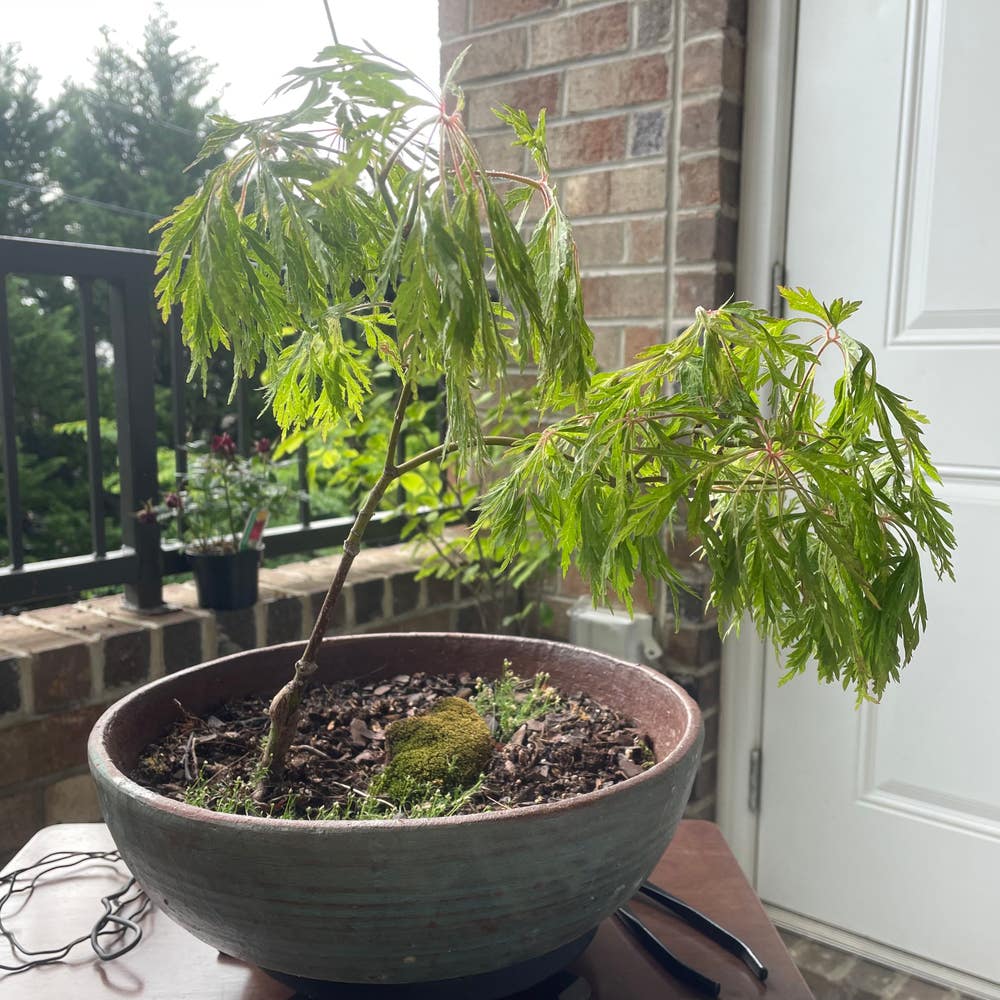
Best Tips for Droopy Leaves on Japanese Quince 💧
Chaenomeles japonica
By the Greg Editorial Team
Oct 12, 2024•6 min read
This article was created with the help of AI so we can cover more plants for you. May contain errors. See one? Report it here.
- 💧 Overwatering and underwatering both cause droopy leaves; balance is key!
- 🌱 Proper soil drainage prevents root rot and keeps your Japanese Quince healthy.
- 🌞 Ideal conditions: 15-25°C temperature and 40%-60% humidity for vibrant leaves.
Causes of Droopy Leaves
💧 Overwatering and Its Effects
Overwatering is a common issue that can lead to droopy leaves on your Japanese Quince. Symptoms include yellowing leaves, leaf drop, and soft, mushy roots, with soil that remains wet for extended periods.
The impact on plant health can be severe. Overwatering often results in root rot and fungal diseases, which reduce oxygen availability to the roots, ultimately harming the plant.
🚰 Underwatering and Its Effects
On the flip side, underwatering can also cause droopy leaves. Look for crispy, brown leaf edges, leaf curling, and soil that pulls away from the pot edges.
Long-term effects of underwatering include stunted growth and reduced flowering. It's crucial to find a balance in your watering routine.
🌱 Soil Drainage Issues
Soil drainage plays a vital role in plant health. Well-drained soil prevents waterlogging and root suffocation, which are detrimental to your Japanese Quince.
Signs of poor drainage include puddles forming after watering and soil that remains soggy for days. Opt for sandy loam or a mix with perlite to enhance aeration and drainage.
🌡️ Environmental Stress Factors
Temperature
Maintaining the right temperature is essential. The ideal range for Japanese Quince is between 15°C to 25°C (59°F to 77°F).
Extreme temperatures can lead to leaf droop, whether from excessive heat or cold. Monitoring your plant's environment can help mitigate these effects.
💨 Humidity
Humidity levels also impact your plant's health. Japanese Quince thrives in moderate humidity, ideally between 40%-60%.
Low humidity can cause leaf wilting and browning, so consider using a humidifier if your indoor environment is too dry.
🥦 Nutrient Deficiencies
Nutrient deficiencies can manifest as droopy leaves as well. Common deficiencies include nitrogen, which causes yellowing and stunted growth, and potassium, which leads to leaf curling.
Signs of nutrient deficiency often include discoloration and poor growth. Regularly checking your plant's nutrient levels can help maintain its vitality.
Understanding these causes is the first step in addressing droopy leaves on your Japanese Quince. Next, we’ll dive into diagnosing these issues effectively.
Diagnosing Droopy Leaves
🌊 Identifying Symptoms of Overwatering
Overwatering can be a sneaky culprit behind droopy leaves. Look for visual indicators like yellowing and wilting leaves, which signal distress.
To confirm, examine the roots. Soft, brown roots indicate rot, a serious issue for your plant. A quick soil moisture check can help; use a moisture meter or your finger to gauge wetness.
💧 Identifying Symptoms of Underwatering
On the flip side, underwatering presents its own set of symptoms. Dry, crispy leaves and noticeable leaf drop are clear signs your plant is thirsty.
Check the soil as well. If it feels dry and compacted, it’s time to give your Japanese quince a drink.
🥦 Recognizing Signs of Nutrient Deficiency
Nutrient deficiencies can also lead to droopy leaves. Watch for changes in leaf color, such as yellowing or browning at the edges, which often indicate a lack of essential nutrients.
Additionally, stunted growth and reduced flowering can signal that your plant isn’t getting what it needs to thrive.
🌡️ Assessing Environmental Conditions
Environmental factors play a crucial role in your plant's health. Regularly check the temperature and humidity levels; a thermometer and hygrometer can be your best friends here.
Finally, assess light exposure. Ensure your Japanese quince receives adequate sunlight without being subjected to extreme conditions, as both can lead to drooping leaves.
Understanding these symptoms and conditions is key to reviving your plant. Next, let’s explore effective solutions to tackle droopy leaves head-on.
Solutions for Droopy Leaves
🌊 Adjusting Watering Practices
Establish a watering schedule: Water your Japanese quince when the top inch of soil feels dry. This helps prevent both overwatering and underwatering, keeping your plant healthy.
Techniques for effective watering: Deep watering encourages roots to grow stronger and deeper. Aim to saturate the soil thoroughly, allowing excess water to drain out.
Signs to adjust frequency: Keep an eye on your plant's leaves. If they start drooping or changing color, it may be time to adjust your watering routine.
🕳️ Improving Soil Drainage
Recommended practices: Enhance soil drainage by mixing in perlite or sand. This prevents waterlogging and promotes healthy root development.
Use pots with drainage holes: Ensure your pots have adequate drainage to avoid standing water. This simple step can save your plant from root rot.
Testing drainage: After watering, check how quickly the water drains. If puddles form or the soil stays soggy for days, it’s time to amend your soil.
🌱 Fertilization Tips for Healthy Leaves
Recommended fertilizers: Use a balanced NPK fertilizer during the growing season. This provides essential nutrients for vibrant growth.
Application frequency: Fertilize every 4-6 weeks while your plant is actively growing. This regular feeding supports robust leaf development.
Signs of over-fertilization: Watch for leaf burn or wilting, which can indicate too much fertilizer. If you notice these signs, cut back on feeding.
🐞 Pest Control Methods
Identification and treatment: Keep an eye out for pests like aphids. Use insecticidal soap to treat infestations effectively.
Preventative measures: Regular inspections are key. Maintaining plant health through good practices can help prevent pest problems before they start.
🌤️ Environmental Adjustments
Light management: Position your Japanese quince in a spot that gets full sun to partial shade. This balance helps the plant thrive without stress.
Temperature control: Protect your plant from extreme weather conditions. Sudden temperature changes can lead to droopy leaves.
Humidity enhancement: Increase humidity using a humidifier or pebble trays. This is especially beneficial in dry environments, helping your plant stay hydrated.
By implementing these solutions, you can revive your Japanese quince and enjoy its beauty for years to come. Next, let’s explore preventative measures to keep your plant healthy and thriving.
Preventative Measures
Best Practices for Watering 🌊
Watering your Japanese quince is all about balance. Aim for consistent moisture without creating a soggy mess, as overwatering can lead to root rot.
Adjust your watering routine with the seasons. In winter, reduce the frequency to prevent waterlogging during dormancy.
Soil Selection and Preparation 🌱
Choosing the right soil is crucial for your plant's health. A well-draining, fertile soil mix will keep your Japanese quince thriving.
Before planting, enrich the soil with organic matter. This adds essential nutrients and improves drainage, setting your plant up for success.
Seasonal Care Tips 🌸
Spring is the perfect time to fertilize and prune your Japanese quince. This encourages healthy growth and prepares the plant for the growing season.
During summer, keep an eye out for pests and adjust your watering as needed. Your vigilance can make a big difference in plant health.
As fall approaches, start preparing for winter by reducing watering. This helps your plant acclimate to the colder months ahead.
Regular Monitoring for Pests and Diseases 🔍
Make it a habit to check your plant weekly for signs of pests or diseases. Early detection is key to preventing serious damage.
Taking quick action can save your Japanese quince from potential threats. Your proactive approach will ensure a healthier, happier plant.
With these preventative measures in place, your Japanese quince will be well-equipped to thrive. Next, let’s dive into diagnosing droopy leaves to ensure your plant stays in top shape.
⚠️ Safety First
This content is for general information and may contain errors, omissions, or outdated details. It is not medical, veterinary advice, or an endorsement of therapeutic claims.
Always consult a qualified healthcare professional before using any plant as food, medicine, or supplement.
Never eat any plant (or feed one to pets) without confirming its identity with at least two trusted sources.
If you suspect poisoning, call Poison Control (800) 222-1222, the Pet Poison Helpline (800) 213-6680, or your local emergency service immediately.
Spotted an error? Please report it here.
Keep your Japanese Quince vibrant and droop-free 🌱 by using Greg's tailored watering reminders and expert tips to ensure it thrives in the perfect conditions!