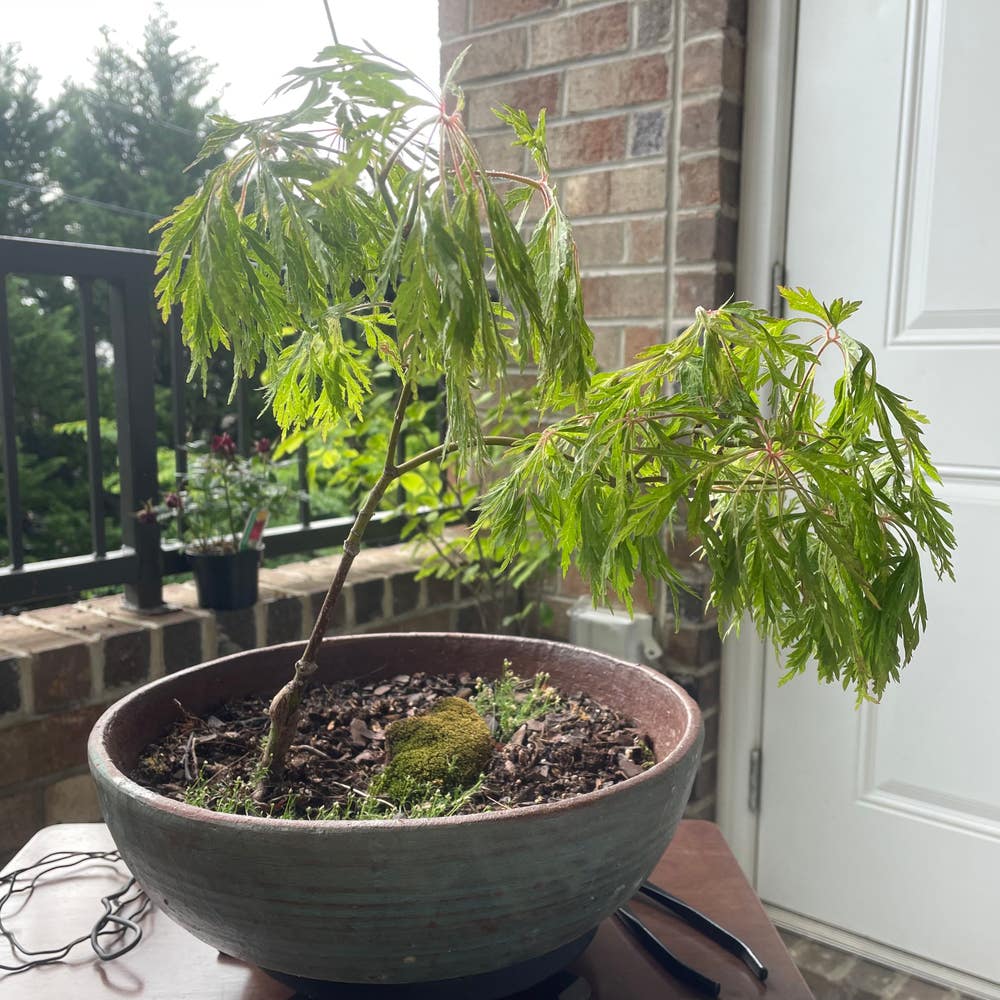
Best Tips for Dealing with Curling Leaves on Japanese Quince 🌪️
Chaenomeles japonica
By the Greg Editorial Team
Oct 12, 2024•6 min read
This article was created with the help of AI so we can cover more plants for you. May contain errors. See one? Report it here.
- 🌡️ Optimal temperatures (15°C-25°C) prevent curling leaves on Japanese quince.
- 🐜 Pests like aphids and spider mites cause curling; look for sticky residue.
- 🌱 Nutrient deficiencies weaken plants; use balanced fertilizer for robust growth.
Causes of Curling Leaves
🌡️ Environmental Stress Factors
Temperature extremes can wreak havoc on your Japanese quince. Ideally, these plants thrive in temperatures ranging from 15°C to 25°C (59°F to 77°F). When temperatures stray too far from this range, you might notice symptoms like leaf curling and browning edges.
Humidity also plays a crucial role in leaf health. The optimal humidity level for Japanese quince is between 40% and 60%. When humidity dips too low, you may see leaves curling and wilting, signaling that your plant is under stress.
🐜 Pest Infestations
Aphids
Aphids are notorious for causing curling leaves on your plants. Look for signs like sticky residue, known as honeydew, and curled leaves, which indicate an infestation. These pests can stunt growth and weaken your quince, making it more vulnerable to other issues.
Spider Mites
Spider mites are another common culprit. You can identify them by fine webbing on the leaves and stippled appearances. Their damage often leads to yellowing and curling leaves, further compromising your plant's health.
🍄 Fungal Diseases
Powdery Mildew
Powdery mildew can be a real nuisance for your Japanese quince. Symptoms include white powdery spots on leaves, which thrive in high humidity and poor air circulation. If left unchecked, this can lead to significant leaf curling.
Leaf Spot
Leaf spot is another fungal disease to watch for. It manifests as dark spots on leaves, which can eventually lead to curling. These pathogens thrive in damp conditions, making it essential to monitor your plant's environment.
🥦 Nutrient Deficiencies
Nitrogen Deficiency
A nitrogen deficiency can significantly impact your Japanese quince. Symptoms include yellowing leaves and stunted growth, which weaken overall plant vigor. Without sufficient nitrogen, your plant struggles to thrive.
Potassium Deficiency
Potassium is vital for your plant's health. A deficiency often results in leaf curling and browning edges. Ensuring your quince has enough potassium is essential for stress resistance and overall vitality.
Understanding these causes of curling leaves will help you take proactive steps to maintain the health of your Japanese quince. Next, we’ll dive into how to diagnose these leaf curl issues effectively.
Diagnosing Leaf Curl Issues
Identifying Symptoms 🌿
When it comes to diagnosing leaf curl on your Japanese quince, start by looking for visual signs. Curling, yellowing, and browning of leaves are key indicators that something is amiss.
Timing is also crucial. Observing these changes during different seasons can help pinpoint the underlying issue, as environmental factors can vary significantly throughout the year.
Differentiating Between Pest and Disease-Related Curling 🐛
Next, differentiate between pest and disease-related symptoms. Pest infestations often present sticky residue or webbing on leaves, signaling unwelcome guests like aphids or spider mites.
On the other hand, disease-related symptoms manifest as spots or a powdery appearance on leaves. Recognizing these differences is essential for effective treatment.
Assessing Environmental Conditions 🌍
Environmental conditions play a significant role in leaf health. Start by checking soil moisture levels to determine if overwatering or drought is affecting your plant.
Light exposure is another critical factor. Ensure your Japanese quince receives adequate sunlight, ideally ranging from full sun to partial shade, to promote healthy growth.
Treatment Options
🌱 Organic Pest Control Methods
When dealing with pests like aphids and spider mites, organic solutions can be highly effective. Insecticidal soap is a popular choice; apply it every 7 to 14 days, ensuring thorough coverage on both sides of the leaves.
Neem oil is another excellent option. It disrupts the life cycle of pests while being gentle on beneficial insects. Apply it in the early morning or late evening for the best results.
🦠 Fungicide Application
Fungal diseases can wreak havoc on your Japanese quince. You have two main types of fungicides to consider: organic and synthetic. Organic options are generally safer for the environment and beneficial insects.
Timing is crucial for fungicide application. Apply at the first sign of disease or as a preventive measure during high humidity periods for maximum effectiveness.
💧 Adjusting Watering Practices
Watering practices can significantly impact leaf health. Start by monitoring soil moisture; use your finger to check the top inch of soil. If it feels dry, it’s time to water.
Aim for a consistent watering schedule. Generally, watering once a week is ideal, but adjust based on weather conditions and soil type.
🌼 Fertilization Strategies
Fertilization plays a vital role in plant health. Use a balanced fertilizer, such as a 10-10-10 NPK mix, applying it according to package instructions.
Timing is key; fertilize in early spring when plants start to grow actively. This ensures they have the nutrients they need for robust growth.
By implementing these treatment options, you can effectively address curling leaves and promote the overall health of your Japanese quince. Next, let’s explore preventive measures to keep your plant thriving year-round.
Preventive Measures
Regular Monitoring 🌱
Keeping a close eye on your Japanese quince is crucial. Aim for weekly inspections during the growing season to catch any issues early.
Look for signs like curling leaves or unusual spots, which can indicate pests or diseases. Early detection can save your plant from significant damage.
Proper Pruning Techniques ✂️
Pruning isn’t just about aesthetics; it’s a vital part of plant health. The best time to prune is in late winter or early spring before new growth begins.
Use clean, sharp tools to make precise cuts. This practice not only shapes your plant but also reduces humidity and improves airflow, making it less hospitable for pests and diseases.
Soil Management 🌍
Healthy soil is the foundation of a thriving plant. Regular soil testing helps you understand pH and nutrient levels, ensuring your Japanese quince gets what it needs.
Consider adding organic matter or fertilizers based on test results. This proactive approach can significantly enhance your plant's resilience against curling leaves and other issues.
By implementing these preventive measures, you set your Japanese quince up for long-term health and vitality. Next, let’s explore how to diagnose leaf curl issues effectively.
Post-Treatment Care
Monitoring Recovery 🌱
After treatment, keep an eye out for signs of improvement. Look for new growth and healthy leaves, which indicate that your Japanese quince is bouncing back.
Regular checks are essential to catch any recurring issues early. Staying vigilant can help you address problems before they escalate.
Adjusting Care 🔧
Tailor your watering and fertilization practices based on how your plant is recovering. If you notice new growth, it may be time to adjust your feeding schedule.
Don’t forget to modify your pest control measures as needed. If pests return, be ready to act quickly to protect your plant.
Long-Term Health Strategies 🌿
Establish a care routine to ensure your Japanese quince thrives year-round. Seasonal checklists can help you stay organized and proactive.
Building resilience in your plant is crucial for its long-term health. Focus on creating a nurturing environment that supports growth and vitality for future seasons.
With these strategies in place, your Japanese quince can flourish, bringing beauty to your garden for years to come.
⚠️ Safety First
This content is for general information and may contain errors, omissions, or outdated details. It is not medical, veterinary advice, or an endorsement of therapeutic claims.
Always consult a qualified healthcare professional before using any plant as food, medicine, or supplement.
Never eat any plant (or feed one to pets) without confirming its identity with at least two trusted sources.
If you suspect poisoning, call Poison Control (800) 222-1222, the Pet Poison Helpline (800) 213-6680, or your local emergency service immediately.
Spotted an error? Please report it here.
Keep your Japanese quince thriving 🌱 by using Greg's tailored care reminders and pest management tips to prevent curling leaves and promote vibrant growth!